Lead generation for IT providers is difficult for a simple reason: most businesses are not looking for a new MSP every week. They usually start searching when something changes—a security concern appears, internal IT becomes stretched, a contract is approaching renewal, the company is expanding, or an existing provider is no longer meeting expectations.
The good news is that lead generation is not about luck or sending more messages. Lead generation for IT providers works best when the right audience, a useful offer, credible proof, and a clear follow-up process work together.
This guide explains how MSPs and IT service providers can build that system without turning marketing into a volume game.
Why Lead Generation for IT Providers Works Differently
Managed IT, cybersecurity, cloud, and co-managed services are higher-consideration purchases. The wrong provider can affect security, uptime, employee productivity, and business continuity. Buyers therefore need more than a promise of “reliable IT support.” They need evidence that you understand their environment, can explain your process clearly, and are equipped to manage the work you are offering.
A useful lead generation strategy should answer four questions: Who are you best equipped to serve? What makes the buyer likely to act now? What proof reduces the risk of choosing you? And how will initial interest become a qualified sales conversation?
1. Define an Ideal Customer Profile You Can Actually Use
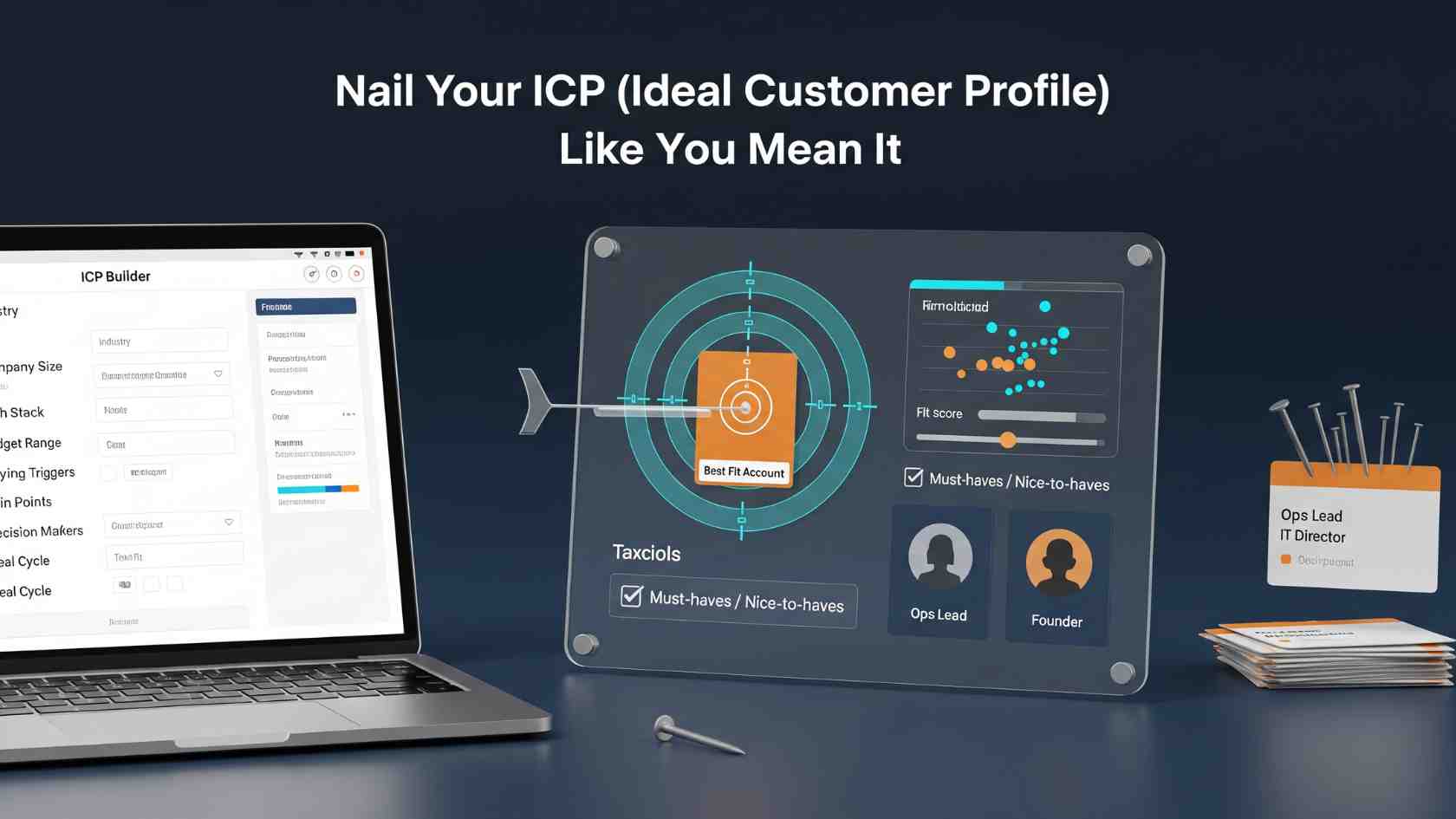
“Small and medium-sized businesses” is usually too broad to guide an MSP marketing campaign. A practical ICP should help your marketing and sales teams decide both who to pursue and who not to pursue.
- Firmographics: industry, employee count, locations, internal IT resources, and relevant contractual or regulatory pressures.
- Technology fit: the environments your team is experienced in supporting, such as Microsoft 365 or Google Workspace, cloud infrastructure, endpoints, identity, backup, or monitoring.
- Buying triggers: contract renewal, rapid hiring, expansion, recurring support issues, a major migration, cyber-insurance review, or a change in IT leadership.
Practical example: instead of targeting “all SMBs,” an MSP might focus on 30–150-person professional services firms using Microsoft 365, with limited internal IT resources and an upcoming provider renewal. This is not a universal template; it shows how specificity makes messaging and qualification more useful.
2. Give Prospects a Useful First Step
A new prospect may not be ready to discuss a long-term managed services contract. A smaller, clearly scoped first step can help both sides determine whether there is a genuine fit.
Depending on your qualifications, that could be a Microsoft 365 configuration review, backup and recovery readiness discussion, cloud-cost review, technology roadmap session, or a scoped security-controls assessment.
Security offers need careful wording. Do not describe a lightweight lead-generation assessment as a penetration test, compliance certification, or formal security audit unless qualified professionals are actually providing that service and the scope supports the claim. For a recognized risk-management reference, see the NIST Cybersecurity Framework 2.0 resources for small businesses. CISA also publishes guidance for MSPs and their customers.
A credible introductory offer should explain its scope, what the prospect receives, and what happens next.
3. Make Your Website Useful to a Buyer
An MSP website should quickly answer three questions: Who do you serve? What business or technology problems do you help solve? Why should a buyer trust your team?
Useful proof can include client-approved case studies, relevant staff certifications, verifiable vendor partnerships, customer testimonials, and documented onboarding, support, escalation, or security processes. Specific evidence is stronger than claims such as “world-class IT support.”
If you build vertical landing pages, make them genuinely vertical. A page for law firms, manufacturers, or accounting practices should discuss that sector’s workflows, technology needs, and relevant experience rather than simply changing an industry name in a generic template.
4. Build Inbound Content Around Buyer Decisions
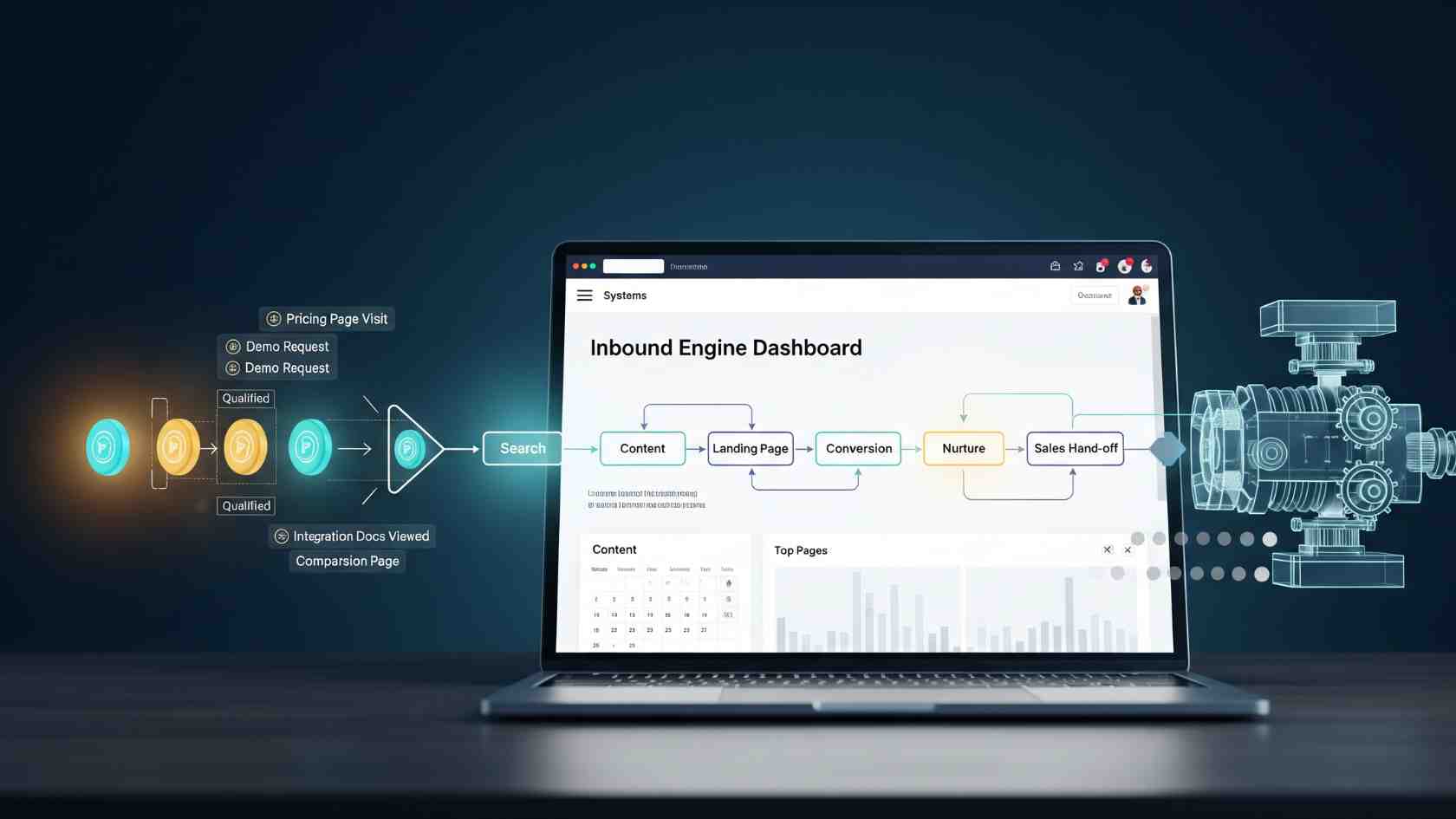
Search content can support MSP lead generation when it helps a real buyer make a decision. Google recommends creating helpful, reliable, people-first content rather than producing pages primarily to attract search traffic.
Useful topics might include co-managed IT vs fully managed IT, internal IT vs an MSP, what to ask before choosing a managed provider, how to switch MSPs with minimal disruption, what an onboarding process should include, or how managed IT pricing is structured.
This is also where first-hand expertise can differentiate an IT provider. When available, include real lessons from engineers, service managers, account teams, and completed projects. Anonymized examples, process diagrams, checklists, screenshots, or original data can add value when they are accurate and safe to publish. Do not invent client outcomes or imply hands-on testing that did not happen.
5. Use Outbound Carefully and Legally
Outbound works best when there is a defensible reason for contacting a particular account. Segment prospects by industry, company size, location, technology environment, decision-maker role, and relevant buying trigger rather than sending one pitch to a large unqualified list.
Keep the first message focused: explain why the account is relevant, mention one problem you may be able to help with, provide a brief credibility signal, and suggest one low-friction next step.
Direct-marketing requirements vary by jurisdiction and recipient type. U.S. businesses sending commercial email should review the FTC’s CAN-SPAM compliance guidance. Organizations marketing in the UK should review the ICO’s guidance on business-to-business marketing, UK GDPR, and PECR. This article provides general marketing information, not legal advice.
6. Use ABM for Best-Fit Accounts
Account-based marketing does not require an enterprise-sized team. For a smaller MSP, it can simply mean giving a manageable group of high-fit accounts more attention than the rest of the database.
For each account, identify why it fits your ICP, which event makes the timing relevant, who influences the decision, what service is genuinely useful, and which proof would matter to that buyer. You can then combine relevant content, email, professional networking, referrals, events, or retargeting where appropriate.
7. Develop Referral and Partner Channels
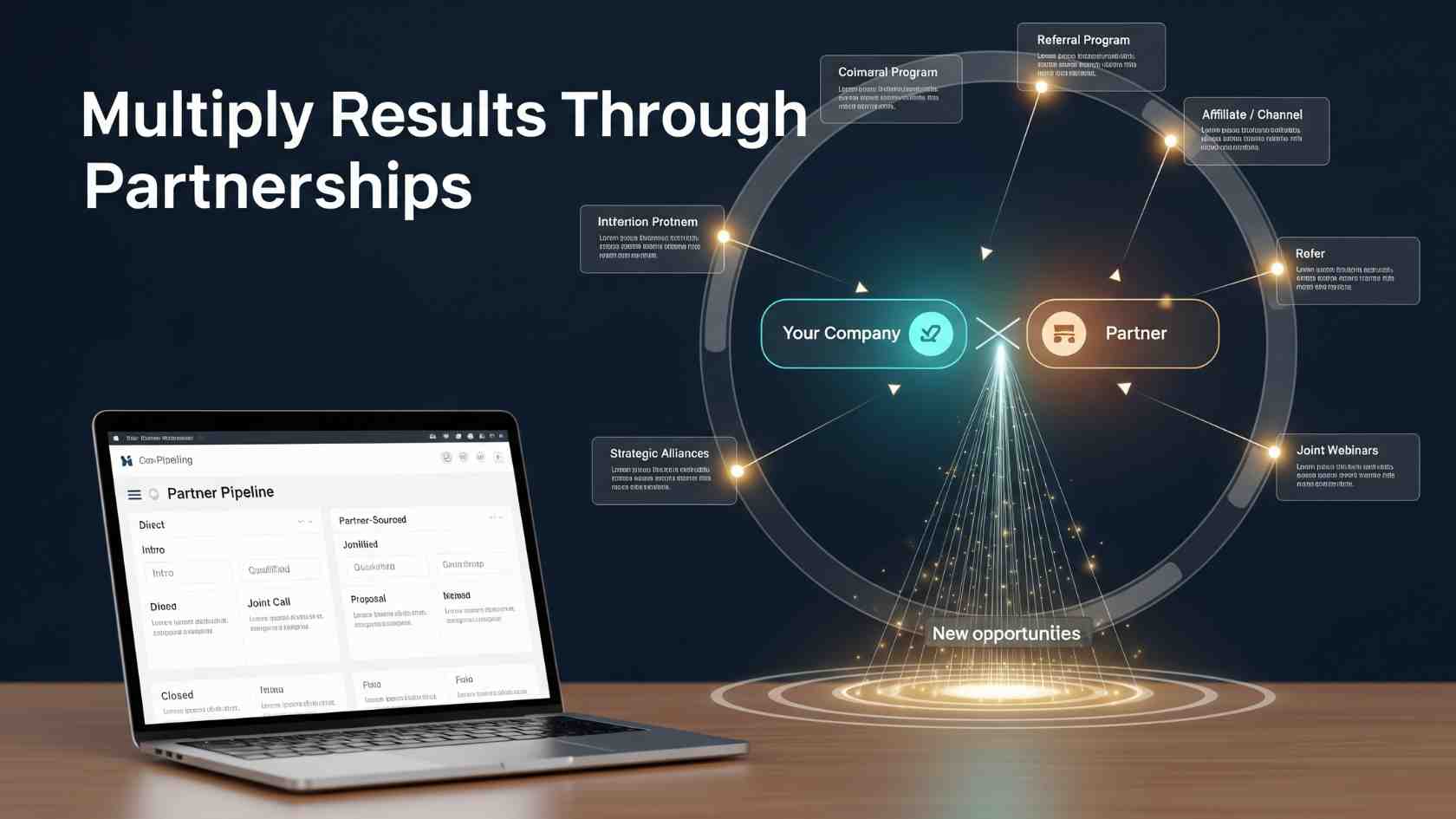
Potential partners may include cybersecurity specialists, compliance consultants, cloud vendors, telecom providers, accountants, software consultants, and business networks serving similar customers.
Strong partnerships have clear expectations around customer fit, introductions, information sharing, and any commercial arrangement. Useful collaboration can also include webinars, migration checklists, implementation guides, or educational events that solve a shared customer problem.
8. Measure Pipeline Quality, Not Just Activity
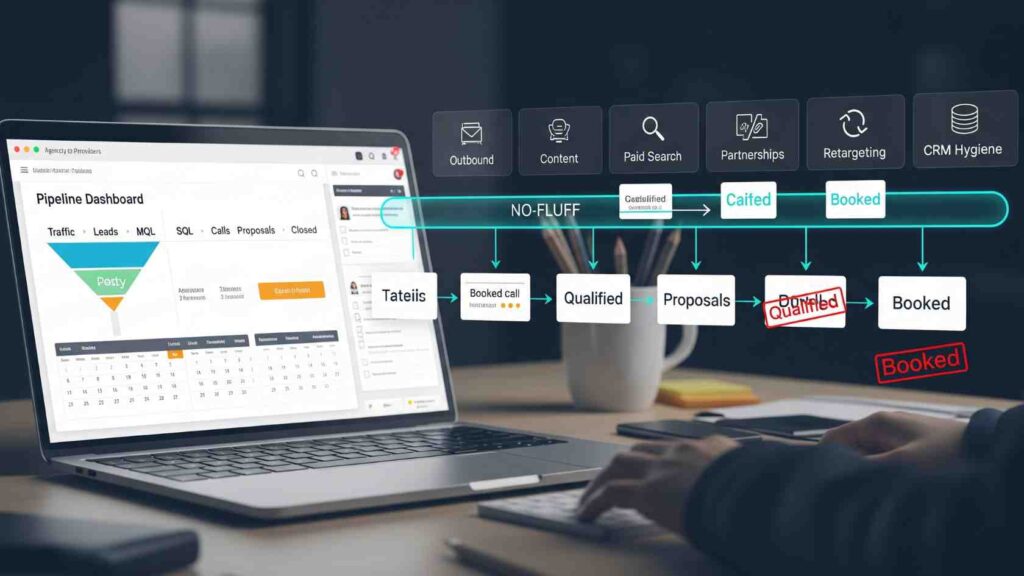
Traffic, impressions, email opens, and social engagement can diagnose marketing activity, but they do not show whether the program is creating qualified opportunities. Connect marketing to the sales pipeline wherever possible.
- Visitor-to-inquiry rate
- Inquiry-to-qualified-opportunity rate
- Meeting rate by outbound segment
- Pipeline value and close rate by source
- Sales cycle length
- Customer acquisition cost
Review results by channel and customer segment. A campaign generating fewer leads can still be stronger if those leads are a better fit and progress further through the sales process.
A Practical 30-Day MSP Lead Generation Plan
Week 1: choose one primary ICP, document its key problems, buying triggers, and likely decision-makers.
Week 2: improve one core service page, define one clearly scoped introductory offer, and add verifiable proof.
Week 3: publish one decision-stage resource based on a real customer question and test outreach with a small, properly researched segment where permitted.
Week 4: review inquiries, sales conversations, objections, and conversion points. Improve the offer or message based on what you actually learned.
Thirty days is not enough to prove long-term SEO performance, but it is enough to test your assumptions and identify what deserves further investment.
Common MSP Lead Generation Mistakes
- Marketing every service to every company: broad positioning makes relevance difficult.
- Publishing generic content: involve people who actually deliver, manage, or sell the service whenever possible.
- Using security fear as the whole message: explain risk accurately and avoid implying that any service can eliminate risk completely.
- Scaling outreach before validating the offer: more recipients do not fix weak targeting or irrelevant messaging.
- Measuring leads without measuring quality: track which inquiries match your ICP and become genuine opportunities.
Final Takeaway
Effective lead generation for IT providers is a connected system, not a single tactic. Define the customers you can serve well, understand what creates urgency, offer a useful first step, demonstrate real expertise, and measure whether marketing activity creates qualified pipeline.
For an MSP, trust is part of the service being sold. Your marketing should start demonstrating that trust before a prospect ever signs a contract.