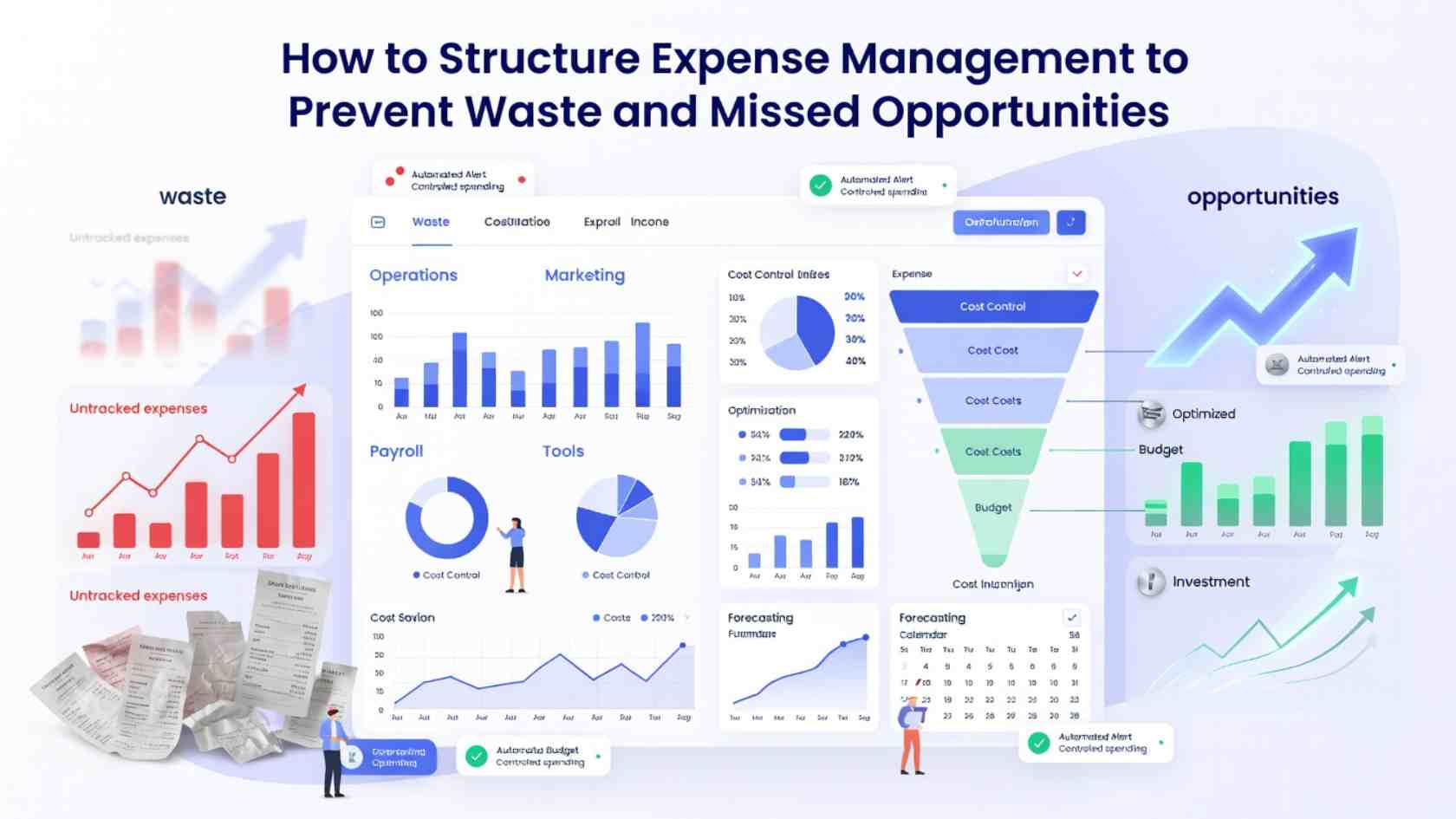
Effective expense management requires a clear framework to separate needs from waste and prioritize strategic spending. Without it, businesses simply react to costs. A structured approach cuts waste, redirects resources, and turns budgeting into a tool for financial health. This blog examines effective methods to create the framework.
1. Categorize Spending to Reveal Hidden Leakage
An essential part of managing expenses is to categorize each expense accurately. Break costs into specific subcategories that accurately represent actual usage rather than using general categories such as “utilities” or “office supplies”.
This can be dividing software subscriptions based on departments that may uncover tools that are underutilized or redundant. Differentiating between necessary and optional expenses reveals areas where reductions can occur without impacting essential operations. This data can help identify leakages in an organization’s expenses, such as expenses for unused software or overpayment for vendor contracts.
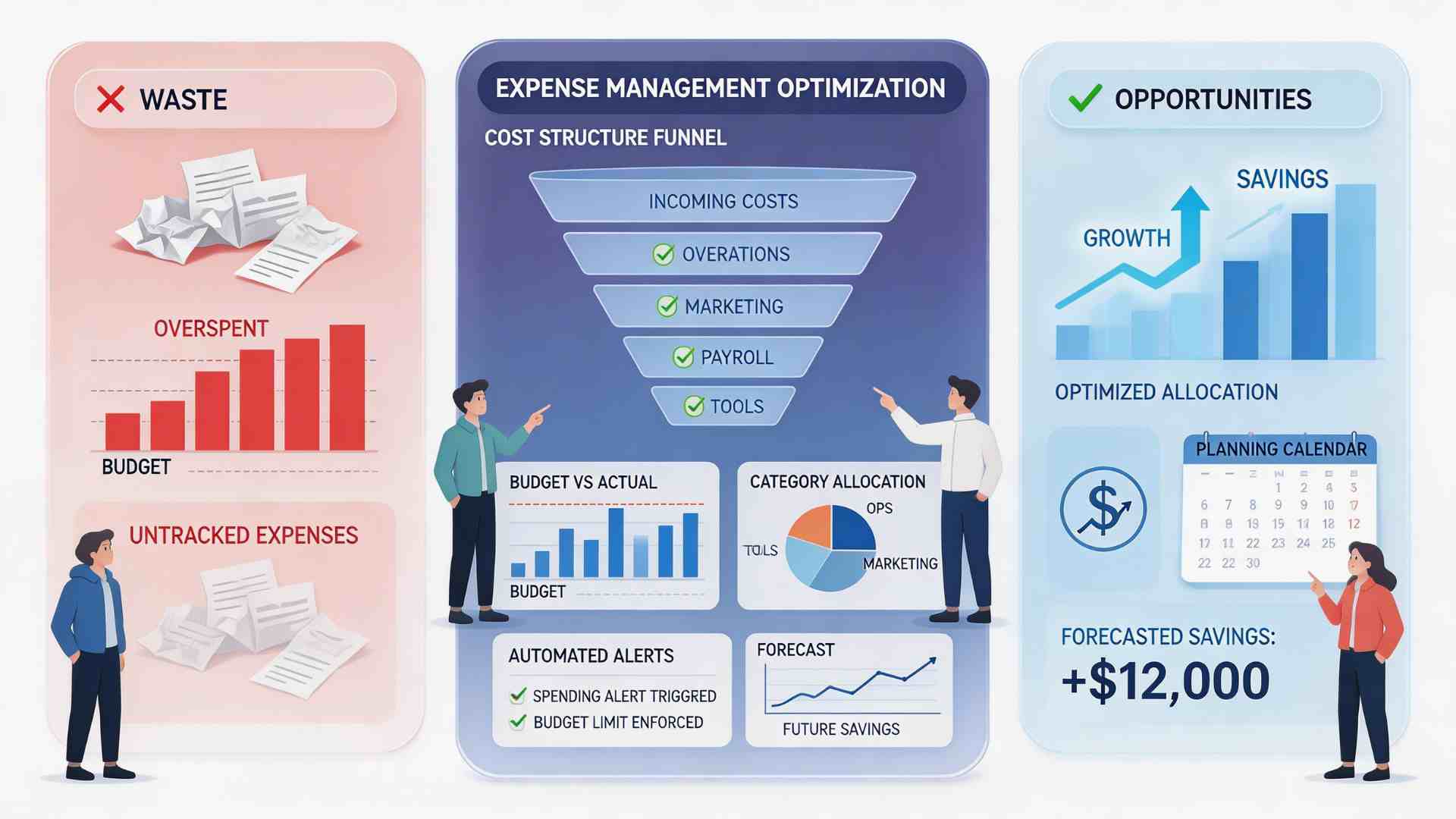
Reviews become more effective after categorizing expenses. Compare each category to past averages or industry standards to spot anomalies. A business may see travel costs rise without matching revenue, but with an expense reporting solution, expense data flows cleanly into ERP systems.
Leaders can then define specific reduction targets rather than implementing broad cuts that could hinder growth by establishing distinct categories. This organized approach reduces waste while maintaining resources for projects such as product development or employee training.
2. Establish a Regular Review Rhythm With Clear Accountability
Detailed categories mean little without consistent reviews. Embed checkpoints into your financial calendar. This can be weekly for variable costs, monthly for subscriptions, and quarterly for larger contracts.
Reviews should involve those closest to the spending, not just financial teams. Department heads can easily spot waste when they own their expense lines. This can be a marketing team consolidating overlapping analytics tools to save money and simplify workflows.
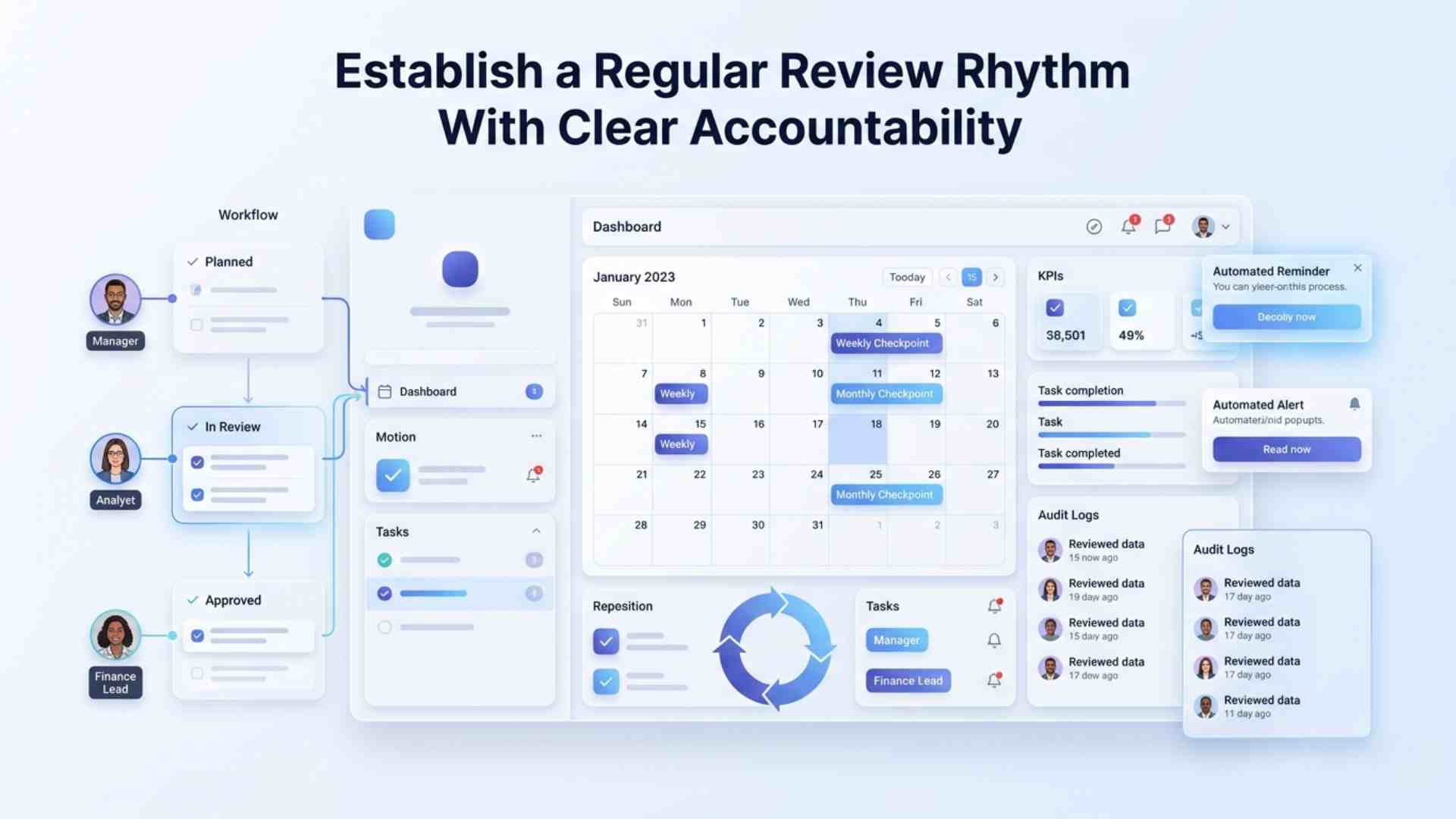
Accountability also extends to decision-making thresholds. Setting explicit approval thresholds for various expense categories avoids unregulated spending that evades oversight.
For example, having a second approval process for all non-essential purchases above a certain limit can help you avoid wastage. By having regular review meetings where actual expenses are compared to budgets, you can identify wastage at small levels. Inefficiencies often occur when you have your resources tied up in unknown expenses.
3. Leverage Automation to Enforce Consistency and Free Up Focus
Manual management of expenses is likely to be erroneous, delayed, and lack consistency. Organizing your strategy with automation tools develops a system that imposes rules with no need for constant oversight. Duplicate invoices, real-time identification of out-of-policy purchases, and automated approval are some of the examples of what automated expense tracking can do.
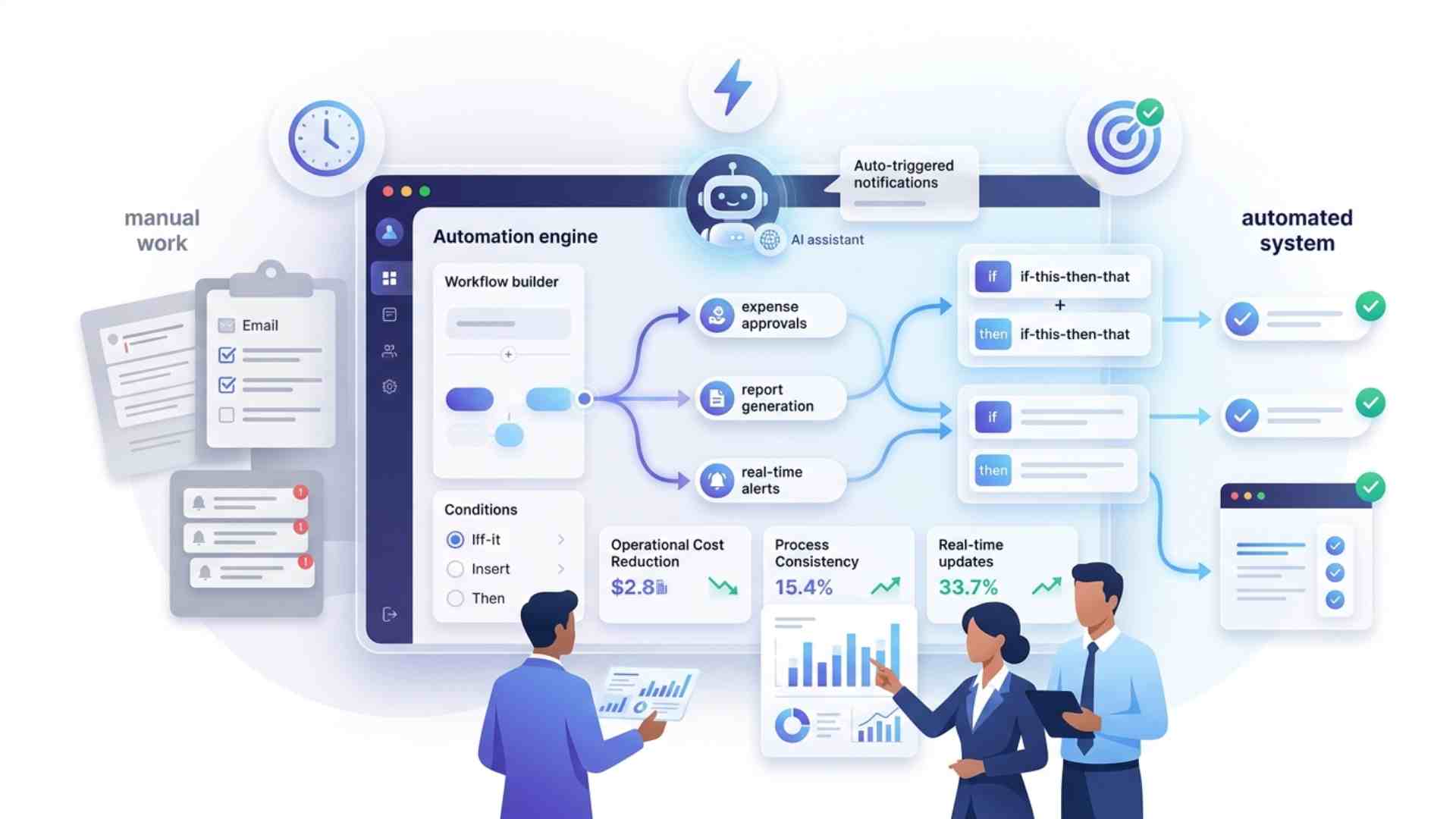
To use a simple example, an expanding organization may use software that mandates that all receipts be handed in and then coded against certain project budgets before reimbursement can be affected. This not only minimizes fraud and error but also provides the managers with a realistic view of spending versus allocations, and thus enables course correction before a budget is depleted.
In addition to avoiding waste, automation frees time and energy. Leaders and finance teams can shift their focus to strategic analysis and opportunity identification by having systems to manage data entry, compliance checks, and reporting. They will be able to identify trends, negotiate superior vendor conditions, or model the financial effect of a new undertaking without getting lost in spreadsheets. Expense management turns into a proactive approach with the help of the appropriate tools, systematically eliminating waste and uncovering opportunities.
Final Thoughts
Expense management involves prioritizing resources for what is important. You reduce waste and discover opportunities by categorizing your spending, reviewing it regularly, and automating consistency. This transforms budgeting into strategy. It gives you the freedom to invest in growth and stability.