Faster delivery, keeping legacy systems running, enhancing security, serving customers—and still finding time to innovate—is what businesses aim for. Meanwhile, the hiring market moves slowly, with lengthy interviews, competing offers, and long ramp-up periods after onboarding.
That disconnect is precisely why IT staff augmentation has become a standard strategy for companies of all sizes—not a last resort, but a deliberate choice.
Staff augmentation allows businesses to strengthen their existing teams with skilled engineers, designers, QA specialists, DevOps experts, or data professionals without building an entire department. It’s a flexible model and, in the right situations, can even save a product roadmap.
What Is IT Staff Augmentation, Actually?
Staff augmentation is not simply outsourcing a project to an agency and hoping for the best. In a traditional augmentation model, external specialists become part of your internal team. They work within your sprint cycles, communication tools, codebase standards, and documentation processes.

They are not a stand-alone vendor team—they are an extension of your organization. This distinction matters because accountability remains internal. You keep ownership of the product, prioritization, and architectural decisions. Augmented professionals bring execution power and domain expertise, often at a lower cost than hiring full-time employees.
When Businesses Turn to Staff Augmentation
Companies don’t turn to staff augmentation because hiring isn’t possible. They do it because timing is everything.
Here are the situations where it becomes a clear strategic move.
1. When the Roadmap Is Larger Than the Team
A company may have a strong product and a capable engineering team, but upcoming goals require more hands—new features, redesigns, cloud migrations, or parallel launches in multiple markets. Hiring full-time staff can take months, while deadlines won’t wait.
Staff augmentation enables teams to scale quickly without restructuring the organization.
2. When Specialized Expertise Is Needed Immediately
Not every business needs a full-time Kubernetes expert, machine learning engineer, or security specialist year-round. But sometimes that expertise is critical for a short period—six to twelve weeks.
This is the sweet spot for augmentation: focused expertise, limited duration, and direct impact.
Instead of training internal teams or spending months recruiting niche talent, companies can onboard specialists in weeks—or even days—depending on the partner.
3. During Risky or Uncertain Hiring Phases
Some product phases are experimental. A company might be entering a new market, testing pricing strategies, or validating an MVP. Hiring permanent staff can feel premature when funding or demand is uncertain.
Staff augmentation offers a lower-commitment way to build, test, and learn without locking the company into long-term payroll growth.
4. When Internal Teams Are Overstretched
Even high-performing teams can burn out. Engineers often juggle legacy system maintenance, new development, on-call rotations, and urgent customer issues that weren’t visible during sprint planning.
Augmenting the team helps relieve pressure, maintain delivery speed, and protect core engineers from constant context switching.
Why Multinational Corporations Often Turn to Ukraine
When expanding teams, companies consider geography, time zones, communication styles, talent quality, and cost efficiency. Ukraine frequently stands out due to its strong engineering talent and product-focused mindset.
Ukraine developers, like https://kultprosvet.net/ often fill a niche for many global companies: a senior technical competency, experience with Western product teams and direct communication that minimizes misunderstandings.
They are also well-versed in distributed work environments and structured processes. Integration is the foundation of staff augmentation—technical skill alone isn’t enough if execution stalls.
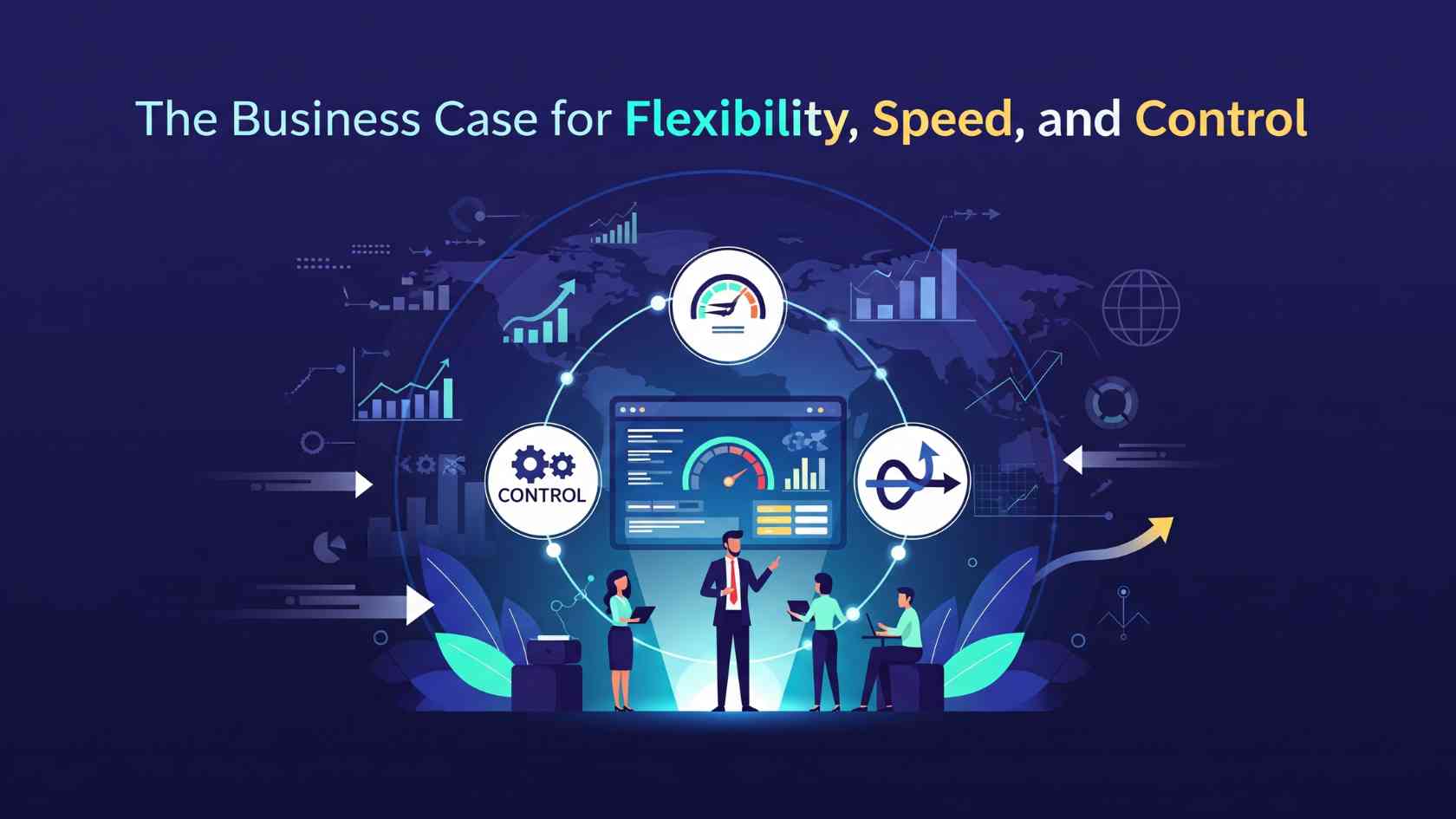
The Business Case for Flexibility, Speed, and Control
The appeal of staff augmentation goes beyond hiring faster. It’s about balancing freedom with control.
- Flexibility: Scale teams up or down based on workload. Add one specialist or a full squad. Extend engagements when it works or stop when priorities shift.
- Velocity: Access skilled talent quickly when deadlines are tight or opportunities are time-sensitive.
- Control: Maintain internal ownership of the product, standards, and decisions—without filtering everything through a vendor.
This is why both startups and enterprises rely on staff augmentation. Startups need speed and survival. Enterprises want capacity without long-term baggage.
What Smart Companies Look For
Staff augmentation succeeds only when companies treat it as team-building, not talent renting.
Key success factors include:
- Clear scope and outcomes: “Help with the app” is vague. “Improve onboarding flow and reduce drop-off by X percent” is actionable.
- Strong onboarding: Even senior engineers need context—architecture, deployment workflows, naming conventions, and access permissions.
- Clear ownership: Define who reviews pull requests, approves releases, and makes final technical decisions.
- Communication rhythm: Daily standups, async updates, and a shared backlog keep teams aligned.
Without this foundation, staff augmentation can feel like adding people to chaos—and chaos doesn’t scale.
The Bottom Line
Businesses choose IT staff augmentation when they need to move fast, reduce risk, and maintain full control over their products while expanding delivery capacity. It solves a practical problem: software development often moves faster than hiring processes.
When done right, augmentation strengthens culture and quality rather than diluting them. It protects internal teams, accelerates roadmaps, and delivers specialized expertise exactly when it’s needed.
In a world where timing can make or break a product, that level of flexibility isn’t optional—it’s a competitive advantage.