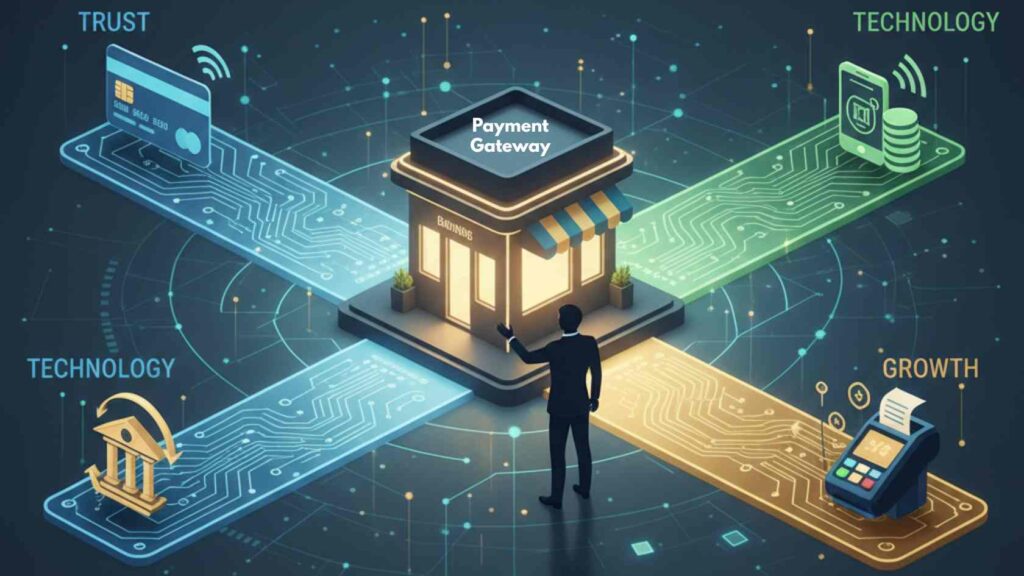
Within the current digital economy, payments aren’t simply a back-office function. They’re a focal point of consumer travel. If you have a slow, confusing, or insecure checkout process, consumers abandon their carts—and your business loses a sale. This is where payment gateways come in. A payment gateway is the bridge between your “website or store and the banking system.” It oversees the transaction process, makes sure sensitive data is secure, & offers the “easy, reliable experience customers want.”
Not all gateways work the same. First, you need to know the types of payment gateways. Then, see how they fit with your business.
What Is a Payment Gateway?
A payment gateway is a tool that helps businesses take payments online and in person. It works like a digital cashier and it sends the customer’s payment details to the bank and then tells the customer if the payment is done or not. It also keeps the payment safe and stops fraud.
The gateway follows industry rules like PCI DSS. It gives extra services like tokenization and 3D Secure. These things help build trust between the business and the customer.
The Main Types of Payment Gateway
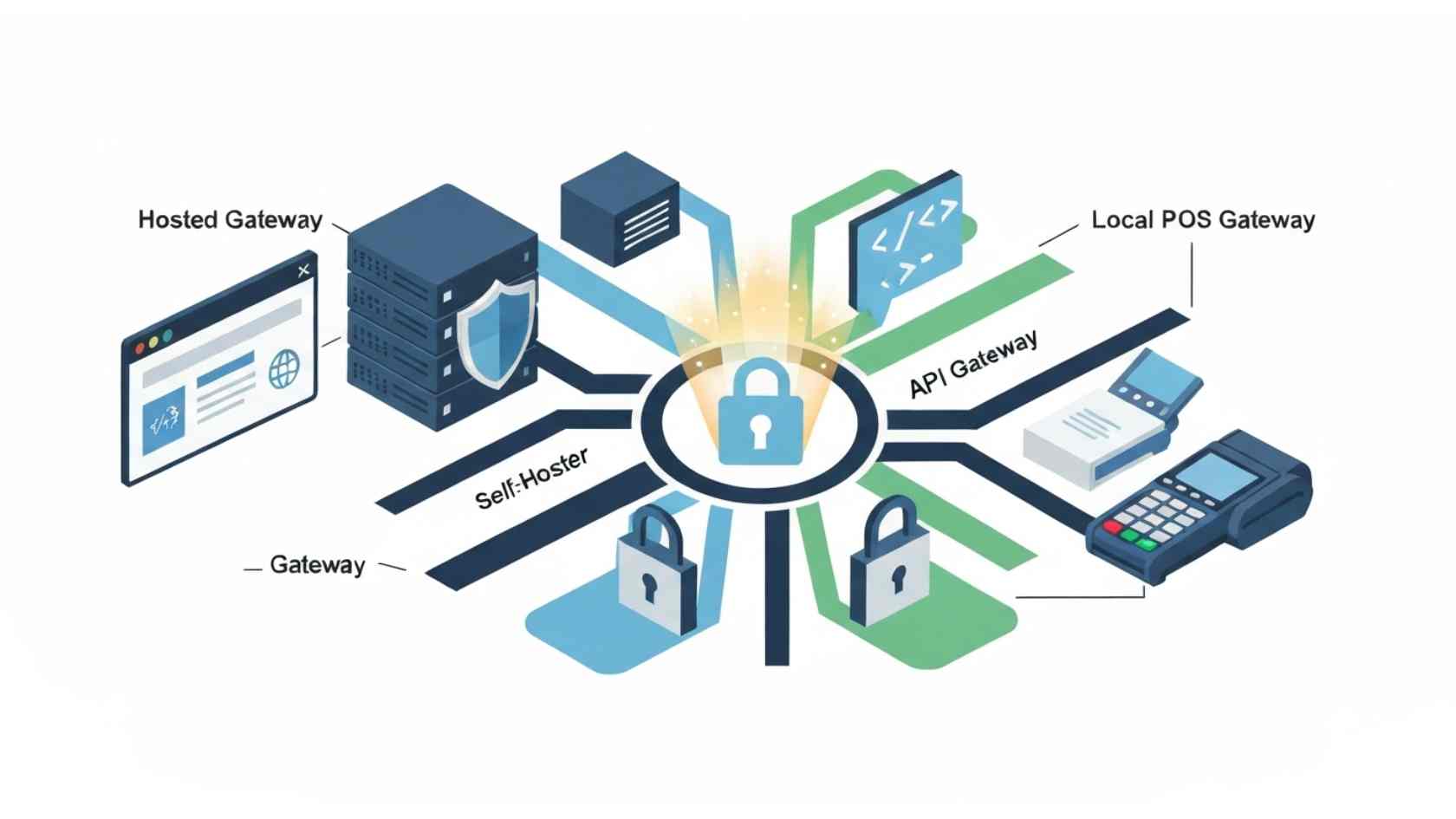
Payment gateways are not always an exact fit; this is because there are different types of gateways to meet your business needs.
Hosted Payment Gateway
A hosted payment gateway takes customers away from your website and redirects them to the provider’s secure payment platform to complete their transaction. “Once the payment is complete, they are sent back to your website.”
This type is easy to implement & comes with built-in security, which can be appealing for “businesses” that don’t have the internal resources. The downside is that customers leave your site during checkout, which could feel disruptive, and you give up some control of your branding.
Onsite (Self-Hosted) Payment Gateway
An on-site gateway means that customers enter payment details directly on your website, and the information is sent securely to the processor without leaving your site.
The good side is a seamless branded experience and greater design control. The downside is that you, the merchant, assume more responsibility for security and compliance, and it requires more technical savvy to set up and maintain.
Offsite (API-Hosted) Payment Gateway
API-hosted gateways use both methods together. Customers type their payment details on your website. But the sensitive data goes straight to the processor. It is not saved on your server. This makes checkout smooth and safe. But setup can be hard and needs technical work. You also still have to take care of security rules yourself.
Local Bank Integration Gateway
Some companies have direct relationships with local banks to facilitate payment. When a payment is made by the customer, the transaction information is transmitted directly to a bank for approval and payment.
This has the benefit of convenience and often has a lower transaction fee. However, local integration typically only works in the same country, which can make it more difficult for international customers, and approval from banks may take longer.
Choosing the Right Type for Your Business
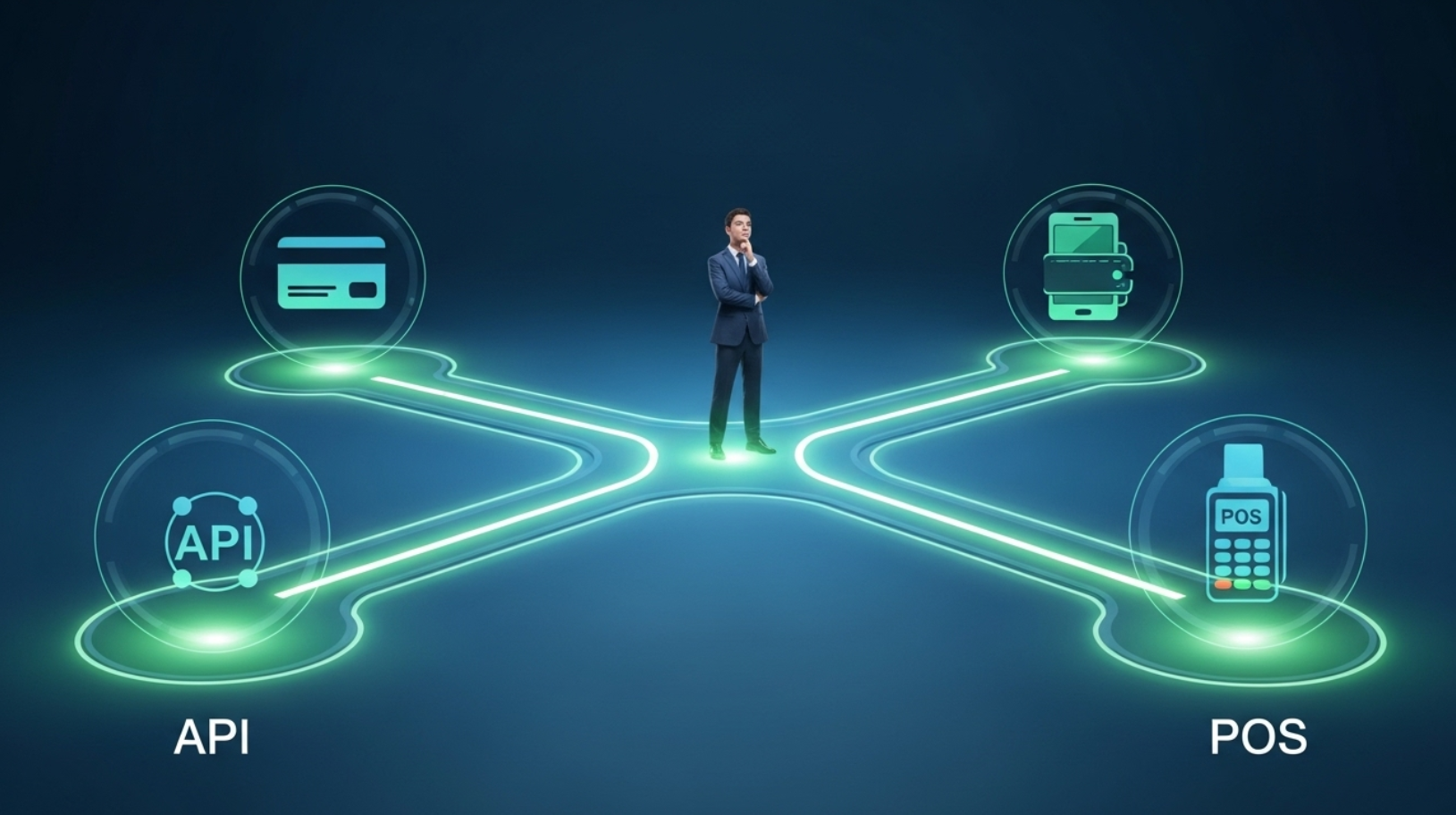
Which option is preferable? That relies on your sales model, technical skills, and customer experiences.
If you are a small online store with little effort and no intention of selling to consumers (and no e-commerce solution), it might be easiest to start with a payment method through a hosted gateway. For a larger e-commerce marketplace that needs a consumer-focused checkout aligned with brand guidelines, onsite or API-hosted methods might be appropriate. If your business is more local with a bank partnership, local integration may leverage low fees due to a strong relationship with a single banking vendor.
As you think about the options, consider:
- Customer experience: “Do you want to only keep customers on your site, or is sending them to another site OK?”
- Security responsibility: “Do you have the resources to deal with compliance, or would you prefer that the provider handle it?”
- Technical expertise: “Does your team have the technical know-how to manage complicated integrations?”
- Business reach: “Are you selling locally or worldwide?”
- Costs: In addition to transaction costs, make sure to look for a setup cost, a monthly fee, and any hidden costs.
Role of Security
Regardless of which gateway type you select, your “security” must be guaranteed. Customers want to ensure that their “payment information is safe.”
Look for gateways that adhere to “PCI DSS,” tokenize sensitive information, & offer multi-factor authentication. Additional features, like “3D Secure,” add an extra layer of security when it comes to fraud and disputes.
For businesses, a secure gateway lowers the risk of chargebacks and financial loss. At the same time, security increases customer trust, which impacts your conversion rates.
Balancing Costs and Value
It’s easy to get caught up in just transaction fees, but the cheaper option isn’t always better. A payment processor that saved you 0.5% per transaction but also has a higher checkout abandonment rate could ultimately end up costing you more in lost sales.
When considering your options, consider the total cost of ownership. How soon do you receive funds? “What kind of support does the service provider offer?” Are there additional fees for “international payments, chargebacks, or integrations”?
There is, therefore, a great case for paying a little more in order to make the checkout process easier and more secure and/or provide better customer service.
Integration and Flexibility
Also important is the level of easy integration with your existing systems. A payment gateway offers this. Some gateways will provide plugins. These plugins integrate the payment gateway with a selling platform. For example, Shopify, WooCommerce, or Magento. This makes the integration quick and easy. In other cases, gateways will require custom integration. This is done through an API.
Flexibility is also important. As you add business and the necessity to accept monetary payment expands, you may want to accept new payments and perhaps need to expand into new markets. A good payment gateway will grow with you and not hold you back.
Customer Experience Factor
The final step in any sales process is frequently a payment. If this process feels cumbersome, complicated, or unsafe, your customers often leave.
On-site and API-hosted gateways keep customers in your branded experience, a feature that may increase customers’ trust and reduce drop-offs. Hosted gateways are less customizable than on-site gateways, but they may demonstrate security to customers by routing transactions through a known vendor.
The optimal option is the one that balances convenience, trust, and familiarity for your customers.
Also Read: What is Parents Pay: How to Log In, Set Up, and Make School Payments Easily
Evolving Role of Payment Gateways
Payment technology is growing fast. Now, businesses cannot only depend on card payments. People also use account-to-account payments, digital wallets, and other new ways to pay. Many companies are adding these options. AI is also helping to catch fraud in “smart ways.” Real-time payments are making it easier for “businesses to grow worldwide.”
For merchants, the key takeaway is this: the “payment gateway” you select must accommodate today’s payment experiences while also preparing for what is to come.
While hosted, onsite, API-hosted, and local bank accounted for payment capabilities have their respective pros and cons, the most effective solution meets the established goals of the business—lower costs, improved control, expansion internationally, etc.