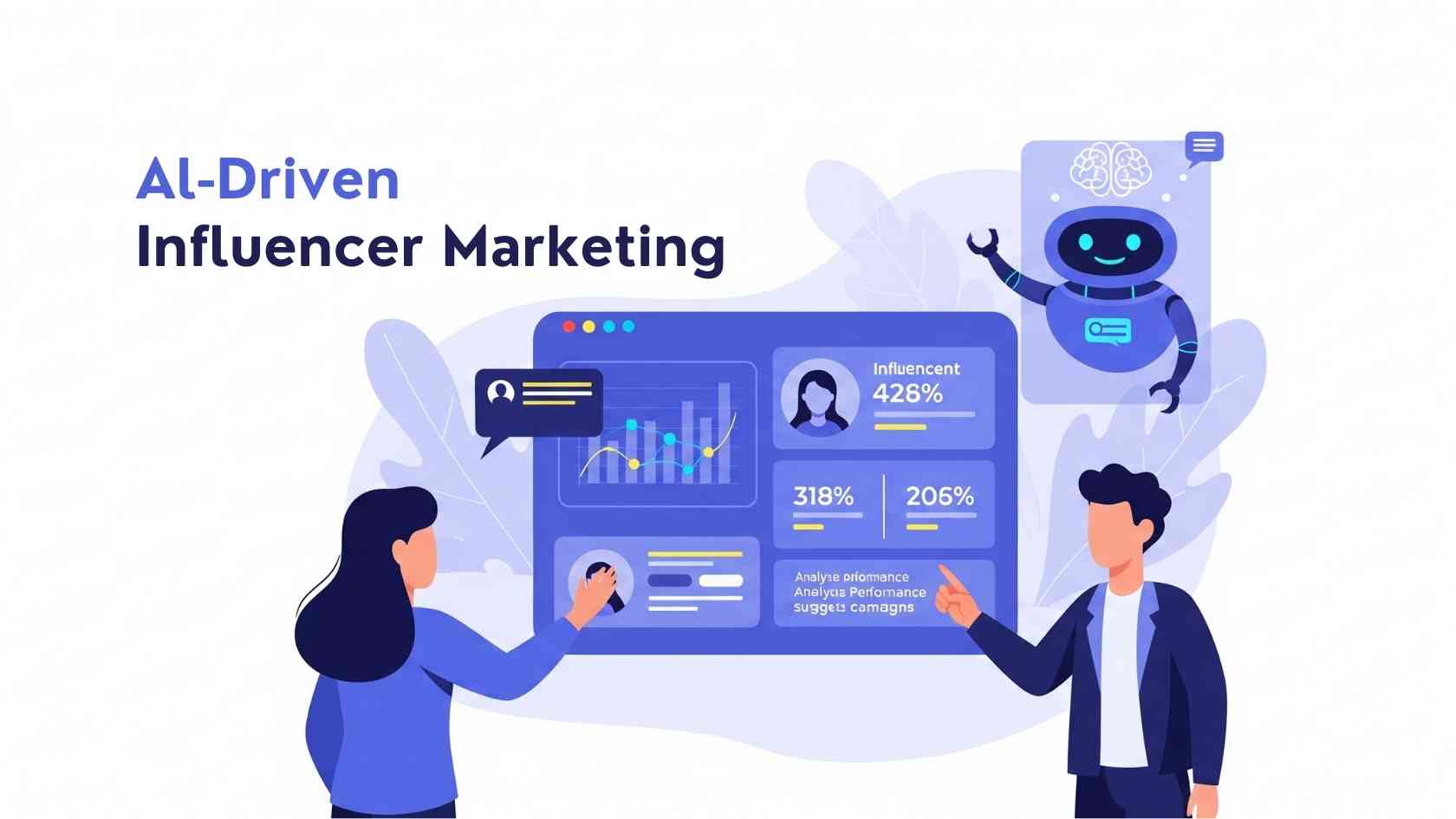
Audiences’ attention spans are getting shorter, but the volume of online voices is increasing. Every quarter brings new faces, new channels, and shifting tastes. Brands face a puzzle: find the right partners, prove real ROI, and build relationships that last beyond a single post. Requirements grow, and marketing teams need a more reliable map than ever before.
Technology fills that gap. Marketers who experiment with AI-first influencer marketing platform to discover a way to stay agile without relying on luck. The right technology does more than sort spreadsheets. It helps identify compatible influencers, provides in-depth analysis, personalises every message, and automates tasks that distract teams from their strategy. When companies use these platforms, they find what works sooner, waste less time, and nurture connections with lasting value.
Why Traditional Influencer Discovery Is No Longer Enough
Simple numbers only tell half the story. Marketers today understand that a smaller, committed audience yields more conversions than a larger, disengaged audience. Micro-influencers, who often possess specific expertise and personal relationships, tend to foster deeper trust and achieve higher engagement rates. Partnering with the right voice at the right moment propels a campaign beyond the reach of numbers alone.

Brands overwhelmed by volume struggle with manual research. Review after review, profiles blur together, and opportunities slip by. Sorting hundreds or thousands of accounts by eye doesn’t cut it anymore. AI-first platforms, equipped with intelligent filtering and advanced analytics, help brands uncover valuable partnerships that are easily missed by traditional research methods. Teams focus their energy on strategy, knowing their data-driven shortlist gives each campaign a stronger starting point.
How AI-First Technology Revolutionises Influencer Search
When marketers use an AI-driven influencer platform, they move beyond hope and guesswork. Automation and real-time data let teams make informed decisions. The old ways of scrolling and sorting fade into the background.
AI changes influencer search in tangible ways:
- Advanced Filtering: The system evaluates factors that go beyond surface metrics. Marketers use filters for audience demographics, content type, channel activity, and historical campaign results. Tools flag influencers whose niche, values, and tone align with brand goals. Recruiters narrow their lists by using data that reflects real potential rather than just popularity.
- Relevance Scoring: Each influencer receives a score based on content relevance, past performance, and alignment with campaign values. With this scoring, strategists know precisely why a person stands out. They avoid making big bets based on instinct alone.
- Trend Detection: AI tools scan for emerging conversations and rising personalities. Marketers catch trending topics before they peak. When the platform surfaces a creator gaining traction in a specific vertical, teams can build partnerships before competitors.
Data-Driven Influencer Analysis for Smarter Campaigns
Discovery forms the foundation, but analysis builds real results. Matching with an influencer based solely on surface similarity can lead to unpredictable outcomes. AI-first analysis peels back the layers, using historical data to make each choice more certain.
Analysis by AI-powered platforms adds several enhancements:
- Audience Insights: The system reveals what truly defines an influencer’s following. Demographics, purchasing habits, interests, and even regional bias inform the brand.
- Content Performance: With detailed measurement, marketers see which influencer posts drive conversation, move products, or fall flat. Tracking likes, shares, comments, and deeper interaction metrics paints a picture of influence and credibility.
- Sentiment Analysis: AI analyses the tone of each post, assessing how it feels and aligning it with a brand’s mission. Negative or off-brand associations surface early in the process. The system gives teams a shield against reputational risk.
- Engagement Quality: Beyond totals, platforms highlight the nature of responses. Is the influencer answering questions, fostering debate, or simply receiving generic likes? Conversation tone reveals real reach.
Personalising Engagement Through Predictive AI Insights

Personal connection powers influencer marketing. Even the best brands struggle when their outreach feels robotic or generic. AI-driven platforms review influencer behaviour and history to suggest what truly resonates with their audience.
Teams use these predictive insights to boost engagement:
- Predictive Insights: The system analyses past responses, identifying which offers were successful and which were unsuccessful, and why. Marketers send unique, timely messages that match the influencer’s prior activities and stated preferences.
- Content Personalisation: AI cross-references campaign history, audience tastes, and content formats. Rather than suggesting a generic campaign, marketers pitch ideas likely to excite both influencers and their followers. This improves the odds of acceptance.
- Optimal Timing: Consistent engagement loses effectiveness if not timed for visibility. AI measures patterns in posting and audience activity—outreach lands when prospects are most attentive.
Automating Outreach and Relationship Management
Managing influencer campaigns once meant tracking emails in messy spreadsheets or scattered inboxes. Complexity scales quickly. AI-first platforms address this bottleneck.
Automation features make relationship management practical:
- Automated Messaging: The software schedules and sends initial pitches, reminders, and ongoing communications to ensure consistent and effective communication. Nothing sits unreplied to or lost in an inbox.
- Relationship Tracking: All correspondence and history, from initial contact to paid partnership, are stored in one accessible location. Anyone joining a project sees the full context instantly.
- Campaign Automation: Approvals, submissions, and payment records flow through the platform. Brands reduce manual steps and ensure deadlines are rarely missed.
Measuring Impact: AI-Enhanced Analytics and ROI Tracking

Without accurate measurement, even strong campaigns falter over time. Marketers need data that clarifies what worked, what didn’t, and why.
AI analytics transform ROI tracking from guesswork into clarity:
- Real-Time Analytics: The platform delivers live feedback on campaign performance. Marketers monitor key metrics, including engagement, conversions, site traffic, and sales, as they occur. When teams adjust strategy midstream, numbers support every call.
- Attribution Modelling: AI connects activity back to specific influencer content and audience actions. Decision-makers see, in clear reports, the customer journey from post to purchase. ROI shifts from vague estimate to actual figure.
- Cost-Effectiveness Analysis: Marketers compare influencer fees with attributable sales and lifetime value. They double down on partnerships that prove their worth. When budgets get tight, these insights protect future campaigns from waste.
Integrating AI Tools into Your Influencer Marketing Stack
Even the best AI platform needs the right ecosystem for impact. Marketers maximise potential when tools, teams, and goals connect smoothly.
Integration succeeds through careful planning:
- Choose the Right Platform: The selection process focuses on features, compatibility, and support. Brands select AI platforms that integrate seamlessly with their existing CRMs, analytics suites, and workflow tools.
- Train Your Team: Product rollouts include training workshops and on-demand resources. Teams understand the platform’s capabilities and develop new routines to suit it.
- Start Small: Most organisations pilot campaigns with a handful of influencers. This phase reveals integration snags before scaling.
Real-World Examples of AI-Powered Influencer Campaigns
Brands across sectors find results with AI-led strategies. A fashion retailer, for instance, uses a platform to scan for rising influencers invested in sustainable practices. After matching, the team tailors campaign goals. They offer influencers creative freedom within brand guidelines. The results show up in increased brand awareness and measurable sales growth.
A health and beauty company studies prior campaign data. Their AI platform uncovers influencers who generate high-value traffic and conversions without overspending for reach. Marketers iterate on content style, platform, and messaging after each wave of results. Success builds on itself.
Also Read: 5 Content Marketing Tactics That Actually Work for B2B Security Vendors
Final Thoughts
Influencer marketing faces new expectations and obstacles every year. The brands that invest in AI platforms, embrace analysis, and learn from each result, establish themselves as leaders. Teams that combine human creativity with AI-driven intelligence hold a decisive advantage.