
Many businesses already have enough social media ideas. The real difficulty appears between the idea and the published post. A campaign brief sits in someone’s inbox, an approval arrives late, and the team moves on without learning whether the post brought the right people to the website.
AI social media platforms can ease parts of that workflow. Their value depends less on volume than on the quality of the process. A useful platform gives people more time to make decisions that require context and judgement. The software handles a repeatable task; the team remains responsible for what the brand says and why it says it.
Where AI Can Improve Day-to-Day Social Media Work
Start by following one post from the first brief to the final report. Where did it slow down? Perhaps the writer waited for source material. Maybe the approved version missed its planned date, or the report showed activity without explaining the business result. That bottleneck is a better starting point than a long feature list.
Turning a Campaign Brief Into a Usable Draft

Imagine that a software company is announcing a product update on Friday. The approved notes explain what has changed, who will benefit and where users can learn more. An AI tool can turn that source material into an initial LinkedIn post. It can also suggest a shorter version for another channel. This is much safer than asking the tool to write about the update without giving it any evidence.
The editor then works from the source notes, line by line. Product names and dates deserve a direct check. So does the link. More subtle claims need attention too. The phrase “revolutionary solution” would require evidence that the original notes may never have provided. Good editing adds the company’s real point of view instead of merely tidying the grammar.
If tool selection is still at an early stage, XtraSaaS has a separate guide on choosing AI tools for a business workflow.
Scheduling Around Evidence Rather Than Folklore
Generic advice about the “best time to post” is easy to find, but an account’s own history is usually more relevant. A scheduling platform may spot a period when that audience tends to respond. Treat the recommendation as the beginning of a test. Topic and format can affect the result as much as the clock.
A practical test keeps most conditions steady. Publish the same type of post in two different time windows, allow each result the same measurement period, and repeat the comparison. If the account only needs basic publishing support, the team may be able to schedule Facebook and Instagram posts in Meta Business Suite without adding another subscription.
Sorting Messages Before a Person Replies

When an inbox becomes busy, the first useful step is often classification. AI can recognise a repeated delivery question or bring an urgent complaint to the top of the queue. A trained employee can then read the conversation and decide how to respond. This division of work is especially helpful when several people share responsibility for the account.
There is a documented example of this approach. In a vendor-published case study, Sprout Social says its team handled 36,000 messages through Smart Inbox in 2023. An activity report exposed slower response periods, which led the company to change staffing coverage. Sprout reported that its average time to action fell by as much as 55% during some of the periods targeted by the pilot. The useful lesson is the sequence: data revealed a service gap, people changed the process, and the team measured the result. The intervention was a staffing change guided by data rather than a stream of unsupervised replies. Because this is Sprout’s own case study, its figures are evidence of that company’s experience rather than a benchmark every business should expect.
Listening for a Signal Worth Investigating
Social listening becomes valuable when it leads to a better question. A sudden rise in posts about a login problem, for instance, should prompt the team to check support tickets and the service-status page. A confirmed issue deserves a response that reflects what customers are experiencing. Clean support records, on the other hand, would prevent a handful of comments from becoming an unsupported public claim.
AI can summarise a large conversation quickly, but a summary hides individual context. Read a sample of the original posts before acting on the result. Sarcasm and reused phrases can mislead sentiment tools, while a viral post may make a small issue look representative of the whole customer base.
Adapting an Idea Without Cloning It
A product demonstration may begin as one approved video. On LinkedIn, the accompanying text could explain the operational problem it solves. Instagram may need a tighter visual sequence with the explanation placed in the caption. The underlying facts remain stable, but each version earns its place by matching how people use that channel.
This approach also sets a natural limit on content production. Once an adaptation stops adding context or helping a distinct audience, another version creates noise. More output is useful only when the material still has a purpose.
Reading Reports With a Decision in Mind

The platform’s summary can point towards an unusual change in the dashboard. The next step is investigation. Suppose three product-demonstration posts sent more engaged visitors to the same landing page than recent opinion posts. The team now has a useful question: was the difference caused by the format, the subject or the call to action?
Native platform data should be checked before the finding influences next month’s plan. Reporting windows sometimes differ, and a connected tool may receive only part of the data through an API. Website analytics adds another layer by showing what visitors did after the click. The XtraSaaS guide to social media analytics and content scheduling explains this measurement process in more detail.
Audience Insights Need Careful Boundaries
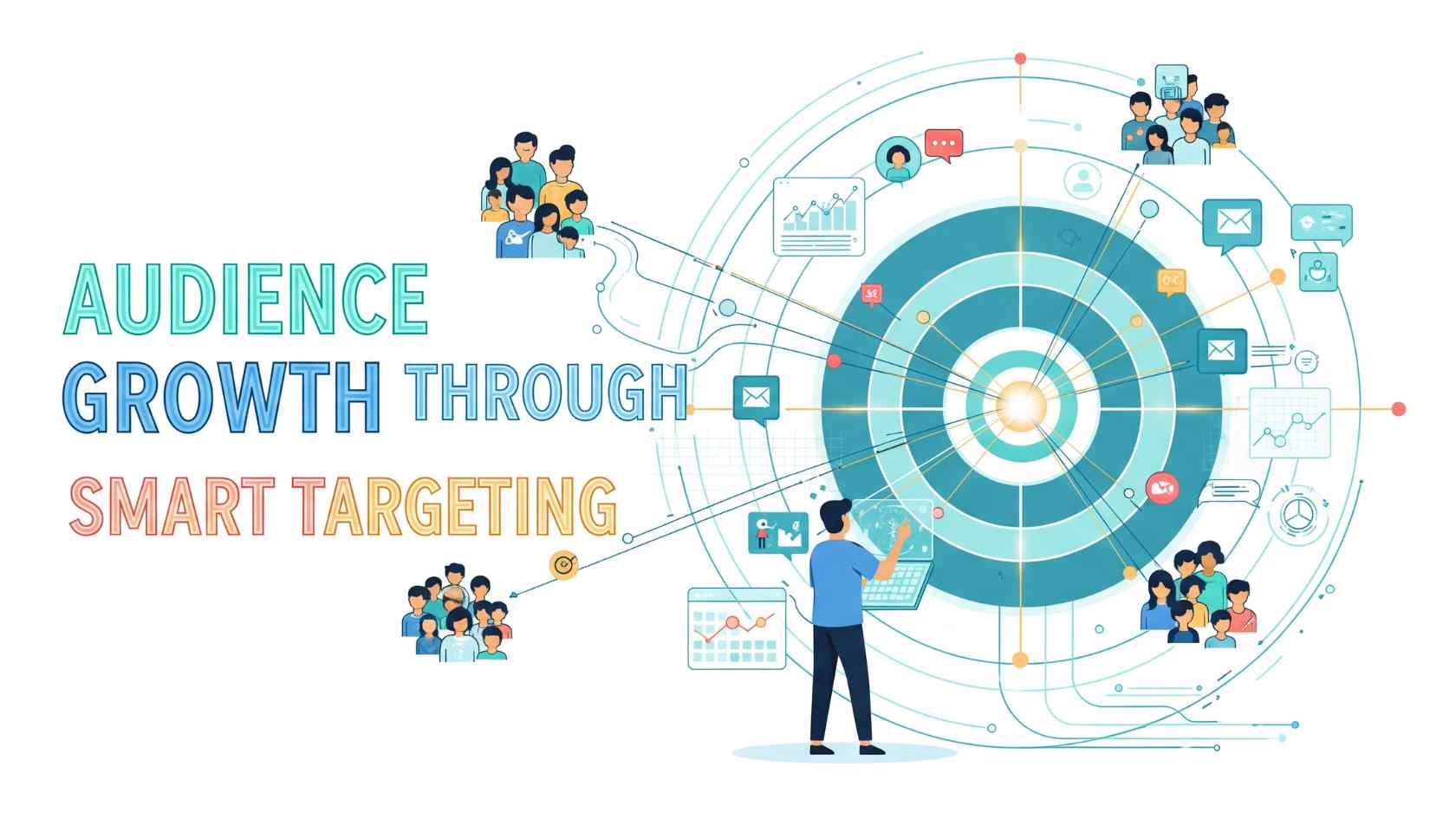
Aggregated audience reports can reveal that a post is reaching an unexpected industry or region. That may justify a new content test. The report remains a partial view of the audience, and modelled data should be described as an estimate when the platform presents it that way.
Follower growth deserves similar context. Some products are promoted as a social media follower booster. For a business, the stronger question is whether new followers become relevant visitors or genuine customers. A smaller audience that asks informed questions can be more useful than a larger but inactive one.
Account access also matters. Before connecting a tool, review the permissions it requests and find out how to revoke them. If personal information will be analysed, the purpose and retention period should be clear. UK organisations can consult the Information Commissioner’s Office guidance on security and data minimisation in AI systems; businesses elsewhere should check the rules that apply in their own jurisdiction.
Decisions That Still Need Human Ownership
A routine question about opening hours is very different from a customer alleging harm in a public comment. The second situation needs someone who understands the facts and has authority to act. The same principle applies when a post could affect a person’s health, finances or privacy.
Human approval is also important when humour depends on local context. A phrase that works inside the office can sound dismissive to the audience. During a service outage or public dispute, pause scheduled content and read the live situation before the brand says anything new.
Clear ownership makes this manageable. The social media policy should identify who approves normal posts and who takes over when an issue becomes sensitive. AI can prepare background information for that person. Responsibility for the final decision stays with the business.
How to Test a Platform Before Paying for a Full Roll-out
A short pilot reveals more than a polished product demonstration. Choose one account and one genuine bottleneck, then record the current result before introducing the tool. If slow replies are the problem, measure response time. If reporting takes too long, record the hours spent preparing the existing report.
- Set a baseline. Use recent account data and write down how the figure was calculated.
- Run a limited test. Keep the audience and approval process unchanged so the comparison remains useful.
- Inspect the work. Note factual errors, weak suggestions and any step that still needs manual correction.
- Review after four weeks. Compare the result with the baseline and include the time spent supervising the tool.
The decision goes beyond the amount of material produced. Ask whether the team worked better and whether the final communication remained trustworthy. Costs that appear later, such as extra user seats or account limits, belong in the same review.
For a channel-specific example of turning a business objective into a content plan, see the XtraSaaS guide to Facebook marketing for business.
Final Perspective
The best use of an AI social media platform is usually modest and measurable. It removes friction from a known task, leaves important decisions with a person and creates evidence the team can review. Reach and revenue still depend on the offer, the audience and the quality of execution. The pilot gives the business a sound basis for deciding whether the tool has earned a permanent place in its workflow.