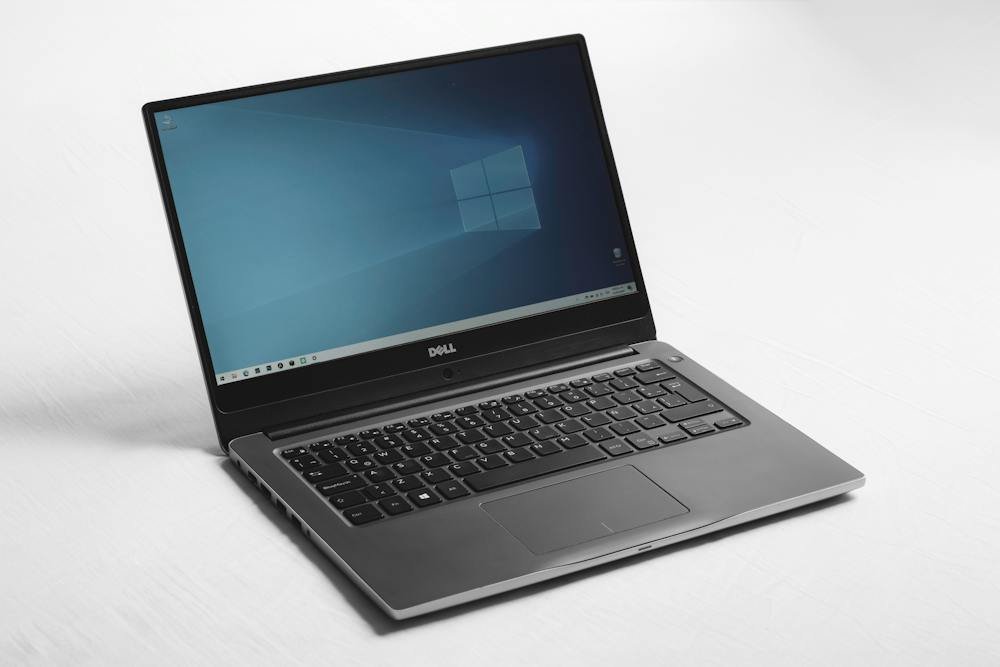
Microsoft is reshaping Windows around “hybrid intelligence,” a model that moves AI workloads between local PC hardware and the cloud depending on the task. The company says this approach will let AI agents use local files, run models on-device and take actions across Windows while still calling cloud services when more capability is needed.
Microsoft outlined the strategy on October 7, 2026 as part of a broader Windows and Surface update covering Copilot, Windows Search, local AI runtimes, Microsoft Execution Containers and new AI-focused PCs.
What hybrid intelligence means
Microsoft uses the term for routing AI work between local compute and cloud models rather than forcing every task into one environment. Local execution can reduce latency and keep more context on the device, while cloud models can handle workloads that need greater scale.
On Copilot+ PCs, Microsoft says Copilot is expected to gain access to relevant local context with permission, the ability to take actions across Windows and the option to use local AI models when appropriate.
Microsoft is also building an agent security layer
The strategy is not only about performance. Microsoft is emphasizing containment, identity and manageability for agents that can access files, run tools or make system changes.
Microsoft Execution Containers, or MXC, are now generally available, according to the company. They are intended to isolate agent activity so organizations can control what an agent can access and distinguish agent actions from those of the user.
That matters because persistent agents behave differently from traditional applications. They may run in the background and act across multiple systems, making security and auditability part of the operating-system layer.
Why this matters for businesses
Hybrid AI could affect both cost and architecture. Some workloads may no longer need to send every request to a cloud model, which can reduce latency and cloud usage. Keeping more processing on-device may also give organizations additional control over sensitive files and local workflows.
But local execution does not remove governance requirements. Companies still need policies for what agents can access, how actions are logged and when human approval is required. XtraSaaS’s AI governance framework explains why those controls become more important as AI moves deeper into business workflows.
What to watch next
- Enterprise controls: how Microsoft integrates agent identity and policy with management tools.
- Local-model quality: whether on-device models can handle enough useful work to reduce cloud dependence.
- Developer adoption: whether third-party software vendors build around Windows’ local agent infrastructure.
- Hardware economics: whether these capabilities reach mainstream business PCs.
Sources and reporting
This report is based on Microsoft’s Windows hybrid intelligence announcement, the company’s October 2026 Windows and Surface newsroom, and independent reporting from The Verge. XtraSaaS reviewed the primary sources and added analysis focused on enterprise technology and AI infrastructure.