Consider a support assistant drafting a refund response. Its answer follows company policy until the customer asks for an exception. The company now needs an explicit rule about whether the assistant can offer one and who approves it.
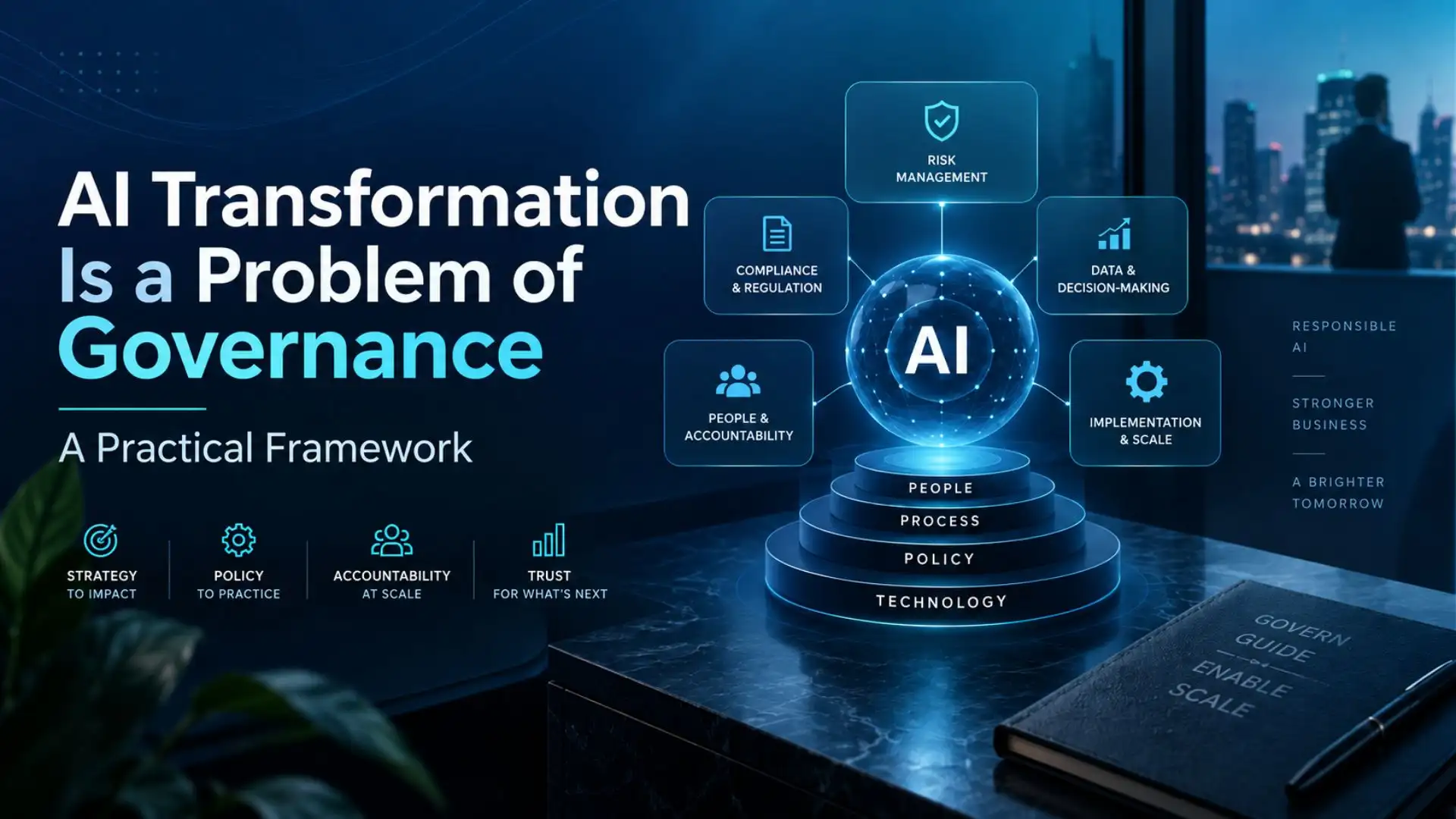
AI transformation is a problem of governance because introducing AI changes how decisions get made without automatically establishing who owns the outcome. Organizations still have to define what a system may do, which information it may use, and when someone must intervene.
Reliable models, integrations, and data underpin the service. Governance connects those technical capabilities to the company’s authority to act: approving a refund, making an exception, or escalating a disputed case. For SaaS leaders, that means designing the workflow alongside the technology.
Why AI Transformation Becomes a Governance Problem
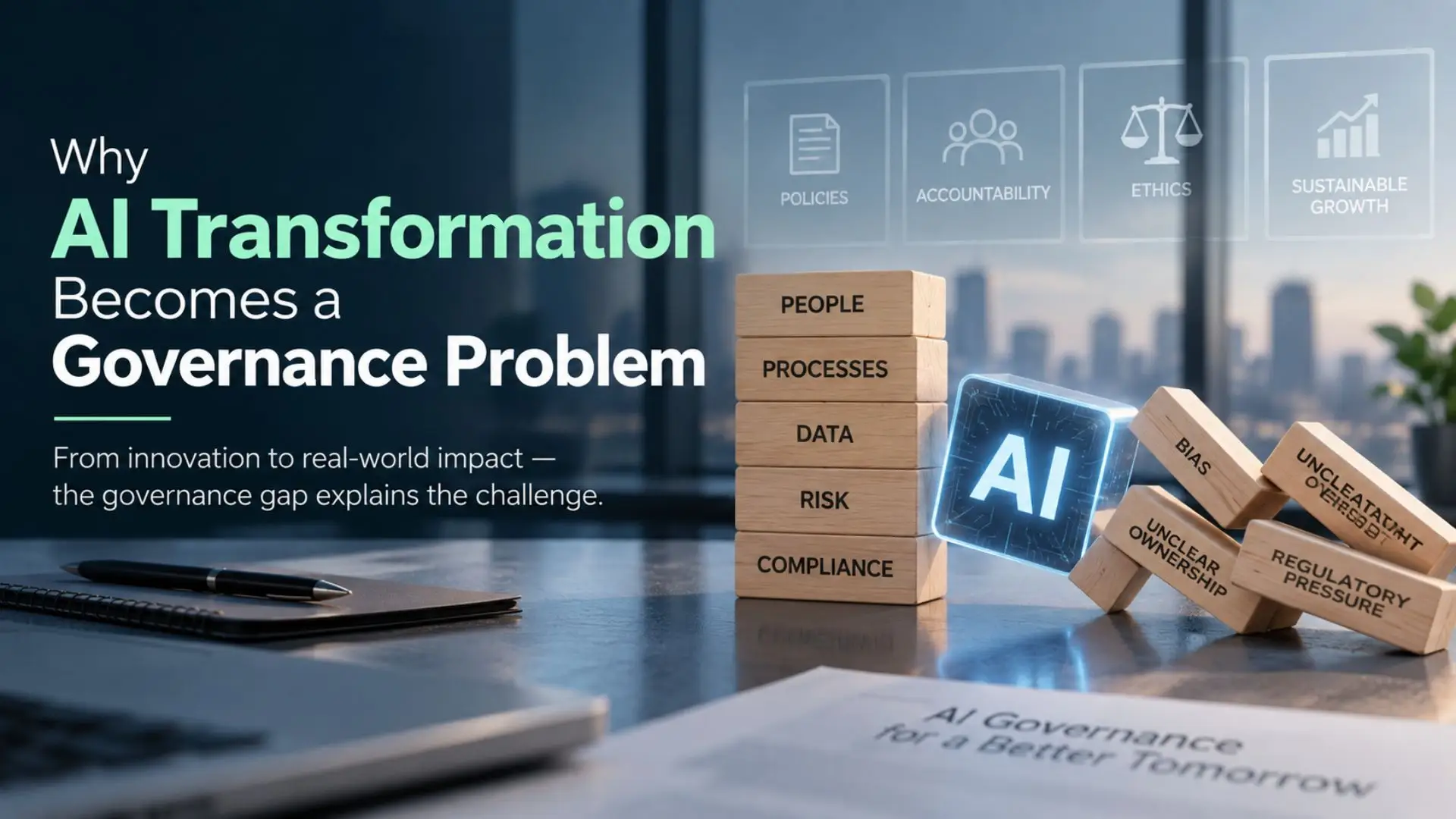
A company approves a writing assistant for public marketing copy. Later, a sales employee uploads confidential contracts to the same tool. That introduces a different purpose and a more sensitive dataset, both of which need review.
An approval record should specify the purpose, permitted information, allowed actions, and accountable owner. Employees can then check a proposed use against clear boundaries.
If your organization already struggles with SaaS sprawl, add AI capabilities to the same review. Look beyond standalone subscriptions to assistants embedded in customer support, analytics, and collaboration software.
For each vendor, record the business use and its limits. An entry such as “Drafts answers from approved help articles; cannot send messages or alter accounts” gives a reviewer the detail needed to assess the deployment.
Ask employees where approved options fall short. Give them a way to request additional access and report mistakes. Otherwise, the policy leaves unresolved the very decisions it is supposed to guide.
Give Each Workflow an Accountable Owner
Assign ownership before launch, with enough authority to define the intended outcome, fund corrections, and suspend the workflow. For the support assistant, give that responsibility to the person who can change the support process. Engineering maintains the integration and contributes technical judgment; the business owner remains answerable for its use.
NIST’s governance guidance calls for documented responsibilities and clear communication. For a growing SaaS company, a practical allocation might look like this:
| Decision | Suggested accountable person |
|---|---|
| Define the business purpose and success measures | Business process owner |
| Approve access to particular information | Relevant data owner |
| Confirm technical readiness | Engineering lead |
| Accept significant residual risk | Executive with the authority to accept it |
| Pause operations and coordinate recovery | Named incident lead |
Adapt these roles to your team. A small company may combine responsibilities, with independent review reserved for consequential decisions.
When engineering considers a release ready but the business owner cannot support the review workload, document the disagreement and resolve it before launch. Any acceptance of the remaining risk needs an authorized decision-maker.
At executive reviews, report which workflows improved, which risks remain unresolved, and which deployments should stop. Use those findings to inform the next budget allocation.
Turn the AI Governance Framework into Working Decisions
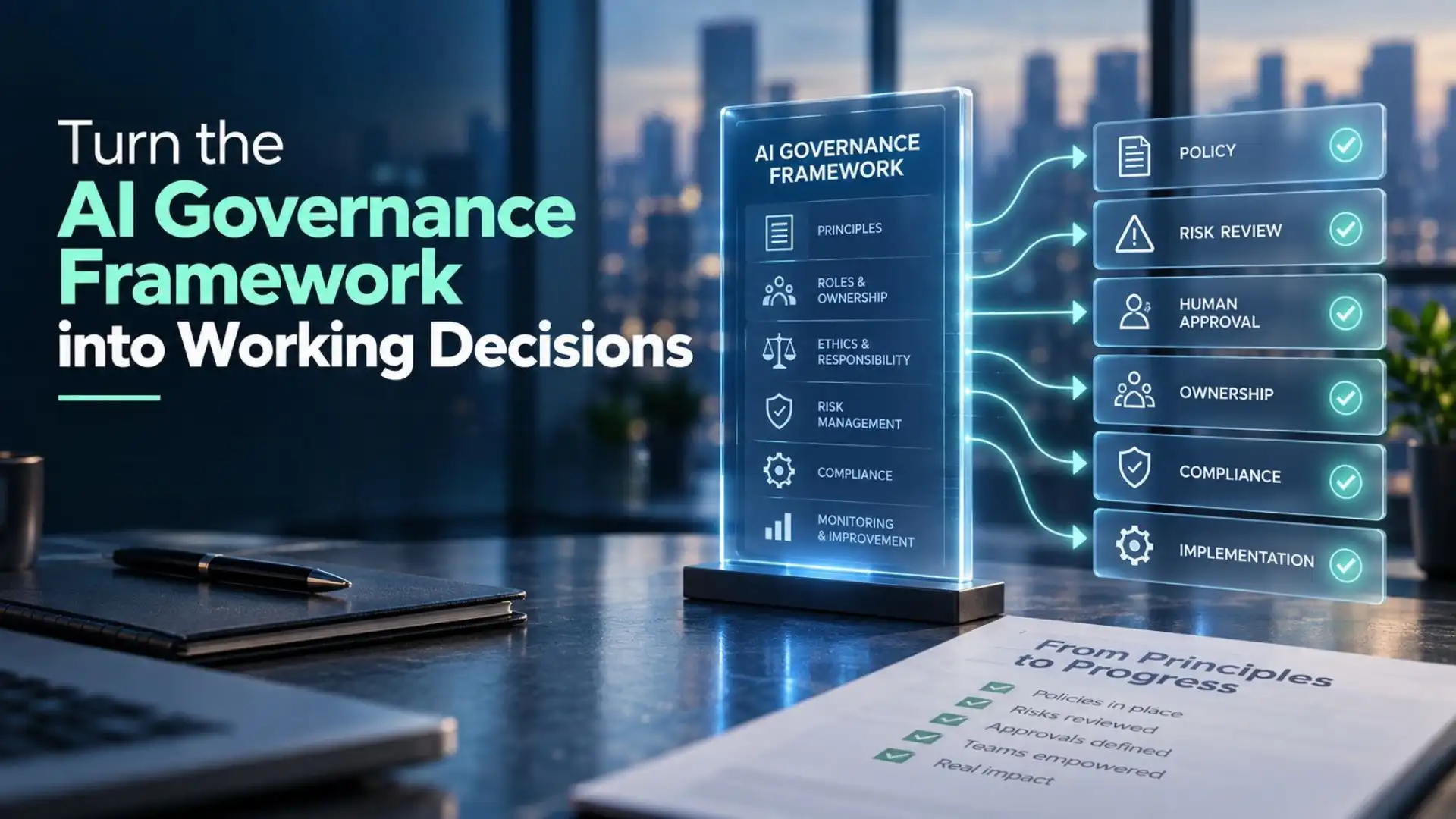
The NIST AI Risk Management Framework 1.0 provides four functions: Govern, Map, Measure, and Manage. In this voluntary framework, the functions interact throughout the system’s lifecycle, with Govern supporting the other three. Revisit them as the workflow, data, and operating conditions change.
Here is how those functions could apply to the support assistant:
| Function | Practical question |
|---|---|
| Govern | Who authorizes its use and can stop it? |
| Map | Which customers, data, and decisions could it affect? |
| Measure | How does it perform on representative support cases? |
| Manage | What happens when an error or material change is detected? |
Keep these answers beside the deployment record, where employees can find current restrictions and the evidence behind them.
ISO/IEC 42001 addresses the broader management system: establishing, maintaining, and continually improving how an organization manages AI. Its requirements can guide a formal program. Organizations still need evidence for any certification claim and a separate assessment of applicable legal obligations.
Define What the AI Can Do
There is a meaningful difference between drafting a refund explanation, recommending a refund, and issuing one. Evaluate those permissions separately, even when the same model handles all three.
OWASP identifies excessive functionality, permissions, and autonomy as sources of excessive-agency risk. Its recommendations include limiting what an AI application can access and do, and requiring approval for consequential actions.
For the support assistant, a sensible starting configuration is read access to approved documentation and permission to draft. Sending messages, changing subscriptions, and issuing credits remain unavailable until separately assessed and authorized. Enforce these restrictions through application permissions, with model instructions reinforcing the boundaries.
Define which customer records the assistant can retrieve, whether private internal notes are included, and who maintains policy documents. XtraSaaS’s guide to why AI needs clean ERP data covers the information-quality issues behind these choices.
Set review depth according to impact, data sensitivity, autonomy, scale, and reversibility. Hiring decisions warrant closer scrutiny than public-document summaries because they affect applicants’ opportunities.
On September 11, 2023, the EEOC announced a $365,000 iTutorGroup settlement resolving allegations that application software automatically rejected older applicants. The allegations concerned programmed hiring rules. The case illustrates why oversight must examine the criteria behind automated decisions as well as the consistency of their execution; it offers no evidence about generative-AI performance.
During vendor review, resolve questions about retention, training-data use, access controls, and material service changes against the agreement and settings for the account your team actually uses. Check the product tier explicitly: enterprise and personal subscriptions may carry different terms under the same brand. Record unanswered questions and follow them through before approving the affected use.
Make Human Review a Task Someone Can Actually Perform
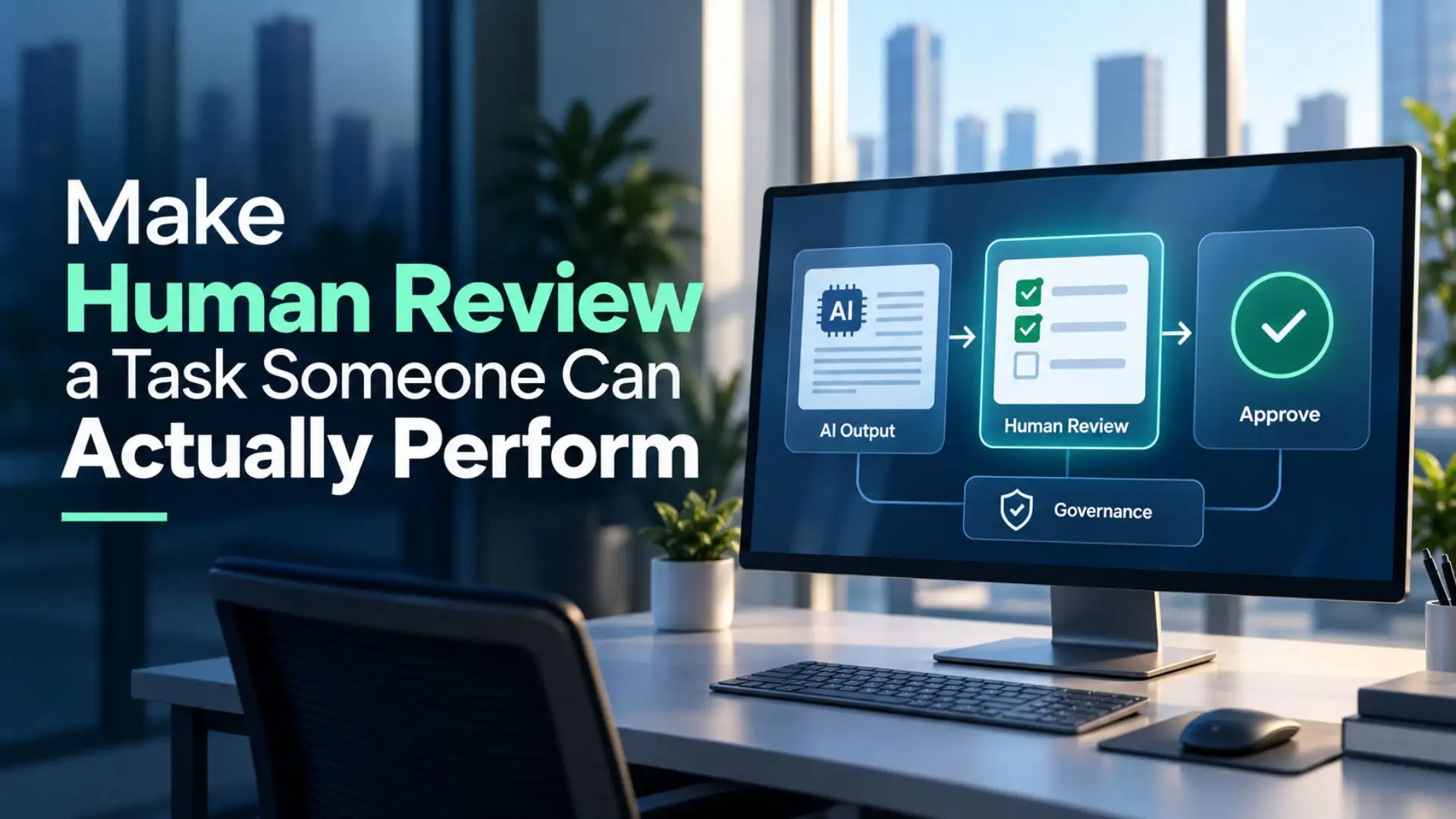
NIST’s discussion of human-AI interaction emphasizes clear human responsibilities and explains how human-AI combinations can amplify bias in some circumstances. Put those responsibilities into an operating procedure: specify what the reviewer checks, which evidence they receive, and how they escalate an uncertain decision.
For the support assistant, reviewers need the current policy, source material, and a route for exceptions. Allow enough time in their workload to compare the draft with that evidence. Performance targets should leave room to reject an unsafe response.
Test the arrangement with realistic drafts, including a plausible answer based on an outdated policy and a reply containing another customer’s information. Observe whether reviewers catch the problem, how they handle it, and how much time they need.
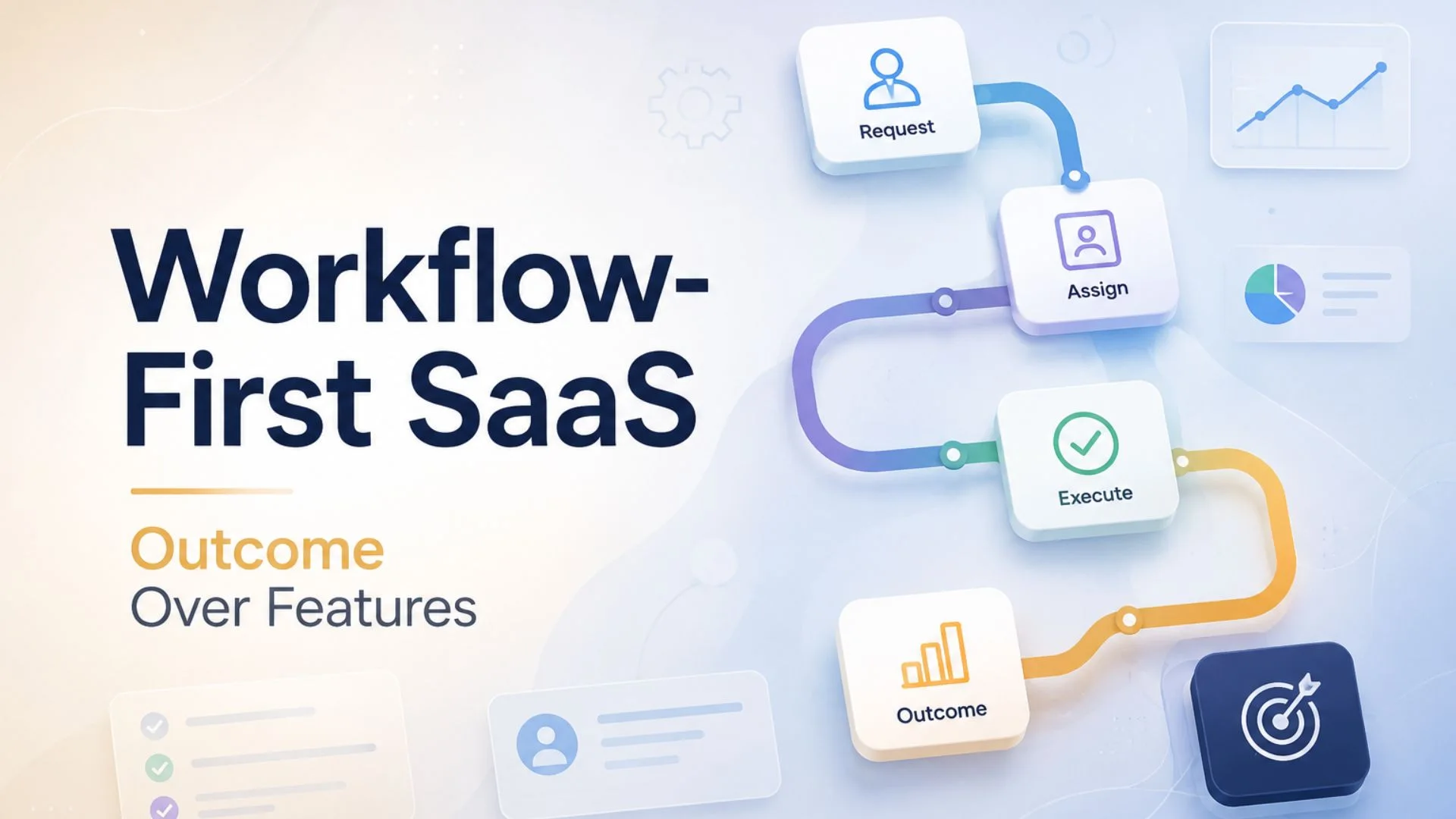
This is a workflow-first approach: decide how the work should happen before choosing how much of it to automate.
Use the First 90 Days to Establish a Working Baseline
Use the first three months to establish ownership, test one bounded workflow, and begin monitoring. Adapt this suggested schedule to the complexity of your systems and the review capacity available.
Days 1-30: discover and narrow the scope. Inventory known AI uses, assign owners, and document data access. Select one workflow with a clear purpose and a manageable range of actions. Establish what the existing process costs and where it fails.
Create a short approval record: purpose, owner, permitted data, allowed actions, test results, unresolved risks, fallback, and review date. Include the approved vendor configuration and who may change it. Restrict clearly unacceptable uses while completing discovery.
Days 31-60: test the operating conditions. Build a test set that includes ordinary requests and difficult cases: conflicting documentation, missing information, sensitive records, and requests outside the assistant’s authority. NIST’s measurement guidance emphasizes evaluation in conditions resembling deployment.
Agree on launch and pause criteria before reviewing the results. For this example, evidence of cross-account data exposure should block deployment pending investigation. Set the remaining thresholds around the consequences of failure in that workflow.
Days 61-90: run a controlled deployment. Review a limited rollout with the people who operate it. Record corrections, escalations, and complaints alongside time savings. Decide whether to continue, narrow the scope, expand, or stop.
Reassess permissions when moving from AI pilot to production. Document approval for any expansion of the audience, dataset, or actions the system may perform.
Measure the Savings After Review and Rework

Suppose a support reply previously took eight minutes. AI drafting takes two, and checking and correcting adds four. That leaves a two-minute saving per reply. Across 1,000 comparable replies, this example frees roughly 33 staff hours before other overhead.
What that capacity is worth depends on how you use it. It may reduce the backlog or improve service without changing payroll. Count a cash saving only when spending actually falls.
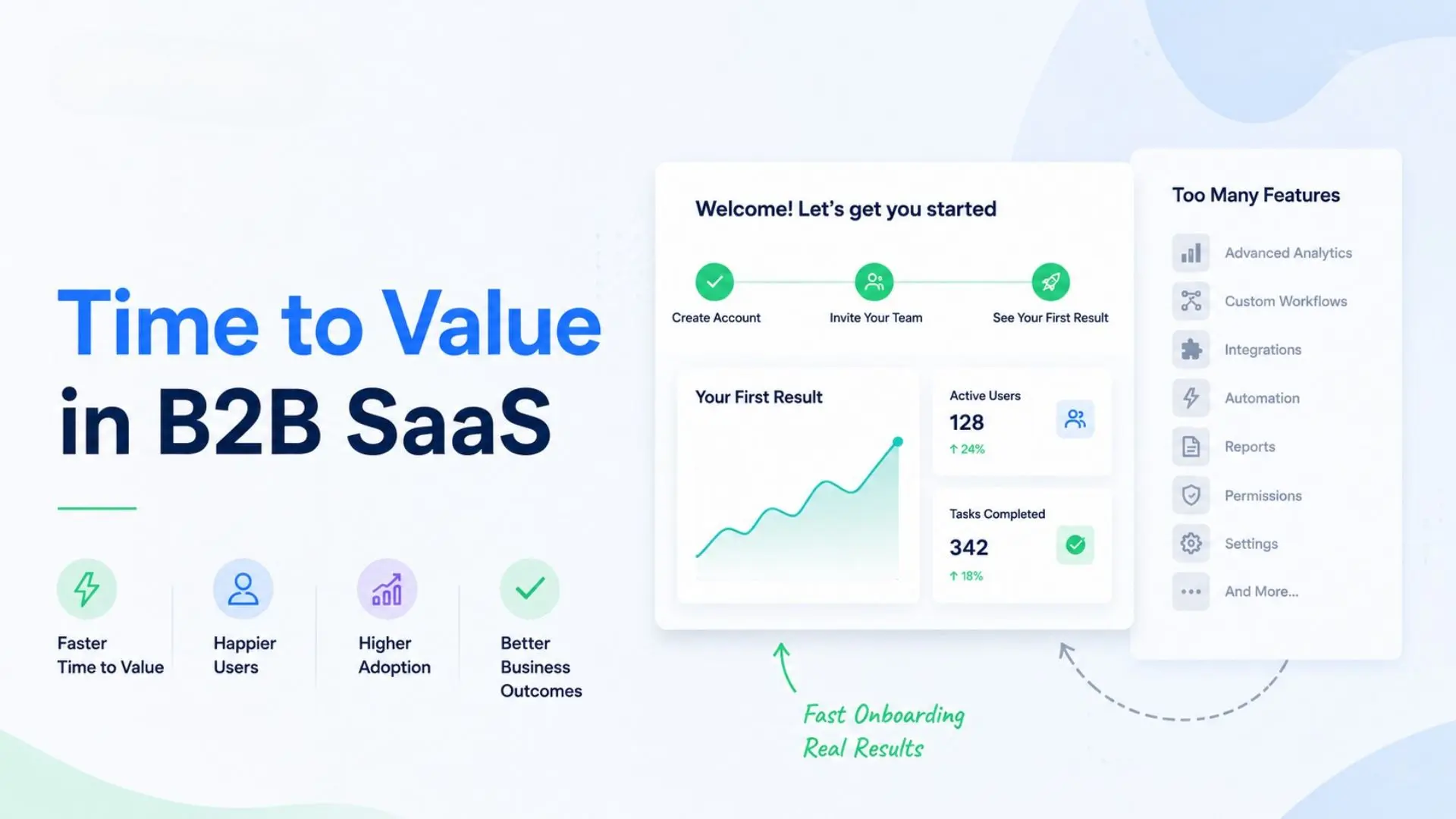
Include software costs, review time, corrections, and incident handling when estimating value. For onboarding workflows, connect the assessment to time to value by measuring how quickly the customer reaches a useful result.
Keep the workload mix comparable. Separate routine questions from disputed bills and account problems, and evaluate each category over the same period. Otherwise, a pilot assigned easier cases can appear to outperform employees handling difficult requests.
Alongside business results, track overdue reviews, unresolved incidents, and permission exceptions. Calculate ownership coverage as inventoried uses with named owners divided by total inventoried uses, and report how recently the inventory was checked. Undiscovered uses remain a limitation of that measure.
Interpret changes alongside reporting activity and service quality. An increase in incident reports may follow a stronger reporting process, while faster replies may coincide with more repeat contacts. Examine the causes before using either trend to justify expansion.
Keep the Authority to Change Course
NIST’s Manage guidance includes ongoing monitoring of third-party systems and responses to risks. A vendor change deserves attention even when nobody inside your business requested a new deployment.
Define which changes trigger reassessment: a replacement model, new data source, broader audience, or additional action permissions. Keep the approval record current rather than relying on the original pilot results.
Build a fallback into your business continuity plan. For the support example, that could mean disabling AI drafting while keeping the normal ticket queue available. Test who can activate it and whether the team can manage the resulting workload.
Retire systems that no longer justify their cost or meet their controls. Arrange replacement workflows, retain required records, and notify affected teams before switching off a model.
Frequently Asked Questions
What is AI governance in simple terms?
AI governance defines who can authorize AI use, what the system is allowed to do, how its results are checked, and who handles problems. It turns an organization’s intentions into operating rules and accountable decisions.
Is AI transformation only a governance problem?
AI transformation also depends on model capability, data quality, integration, and employee skills. Governance assigns responsibility for assessing those foundations, choosing a suitable system, and responding when testing reveals a problem.
Do small businesses need an AI governance committee?
Small businesses can begin with a named owner, a use-case inventory, clear data and action limits, and an escalation process. Specialist review and formal coordination become more useful as deployments grow in complexity and consequence.
What is shadow AI?
Shadow AI is AI use outside an organization’s approved oversight. Look for unapproved applications and unapproved uses of accepted tools. An employee uploading customer records to a personally managed assistant creates a data-handling issue that belongs in the use-case review.
Start with the Decision Nobody Owns
AI transformation is a problem of governance because every expansion of a system’s capabilities changes what the business is delegating. Start with one workflow already in use and bring its owner, permissions, test evidence, and stopping conditions into the same review. That record gives the next deployment decision a clear basis: the outcome you expect, the authority you are granting, and the person who remains responsible.