Editorial note: This comparison was fact-checked against current product information and independent software-review sources on September 12, 2026. “Best for” labels reflect editorial fit for common use cases; they are not claims of laboratory testing or universal superiority. Product packaging and pricing can change, so buyers should confirm commercial details directly with each vendor.
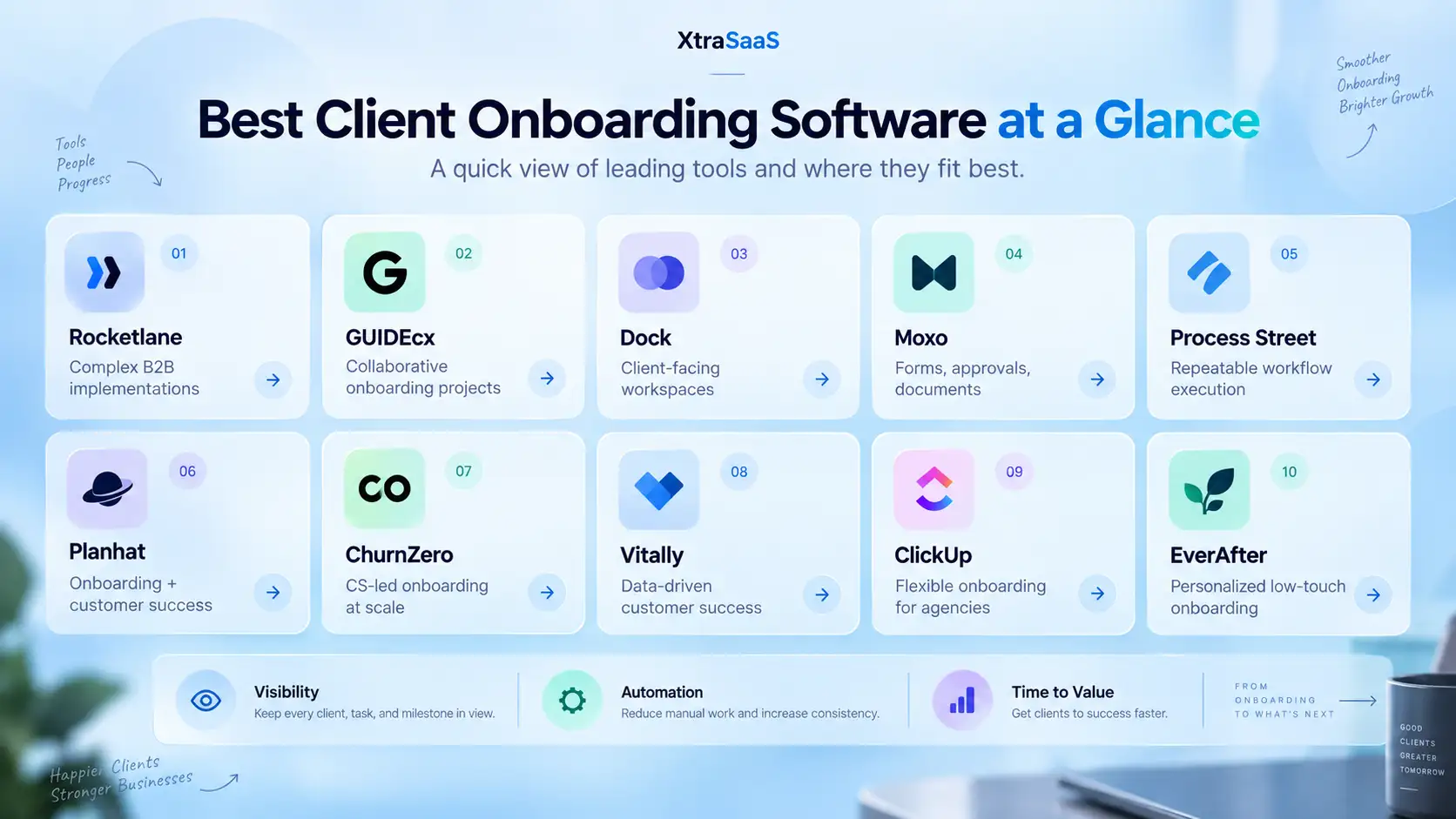
Best Client Onboarding Software at a Glance
| Software | Best for | Why it stands out |
|---|---|---|
| Rocketlane | Structured B2B implementations | Project delivery, customer collaboration, portals and resource planning |
| GUIDEcx | Collaborative customer onboarding | Shared project visibility, customer participation and process automation |
| Dock | Client-facing onboarding workspaces | Self-serve resources, project plans and no-login customer access |
| Moxo | Process-heavy onboarding | Forms, file requests, approvals, acknowledgements and e-signature workflows |
| Process Street | Repeatable operational workflows | Assigned owners, approvals, conditional paths, reminders and audit history |
| ClickUp | Agencies and flexible service teams | Customisable tasks, docs, automations, dependencies and templates |
| ChurnZero | Customer success teams at scale | Milestones, onboarding tasks, lifecycle context and automation |
How We Evaluated Client Onboarding Tools
Client onboarding platforms solve different parts of the same operational problem, so comparing them by raw feature count can be misleading. We looked instead at the workflow each product is designed to support.
The evaluation focused on five questions:
- Can the software give the onboarding process a clear structure and owner?
- Can customers and internal teams see the work that matters to them?
- Can the platform reduce repetitive follow-up, handoffs and manual status chasing?
- Does it support repeatable templates without forcing every customer through exactly the same path?
- Can it fit into the CRM, customer success, communication and document systems already in use?
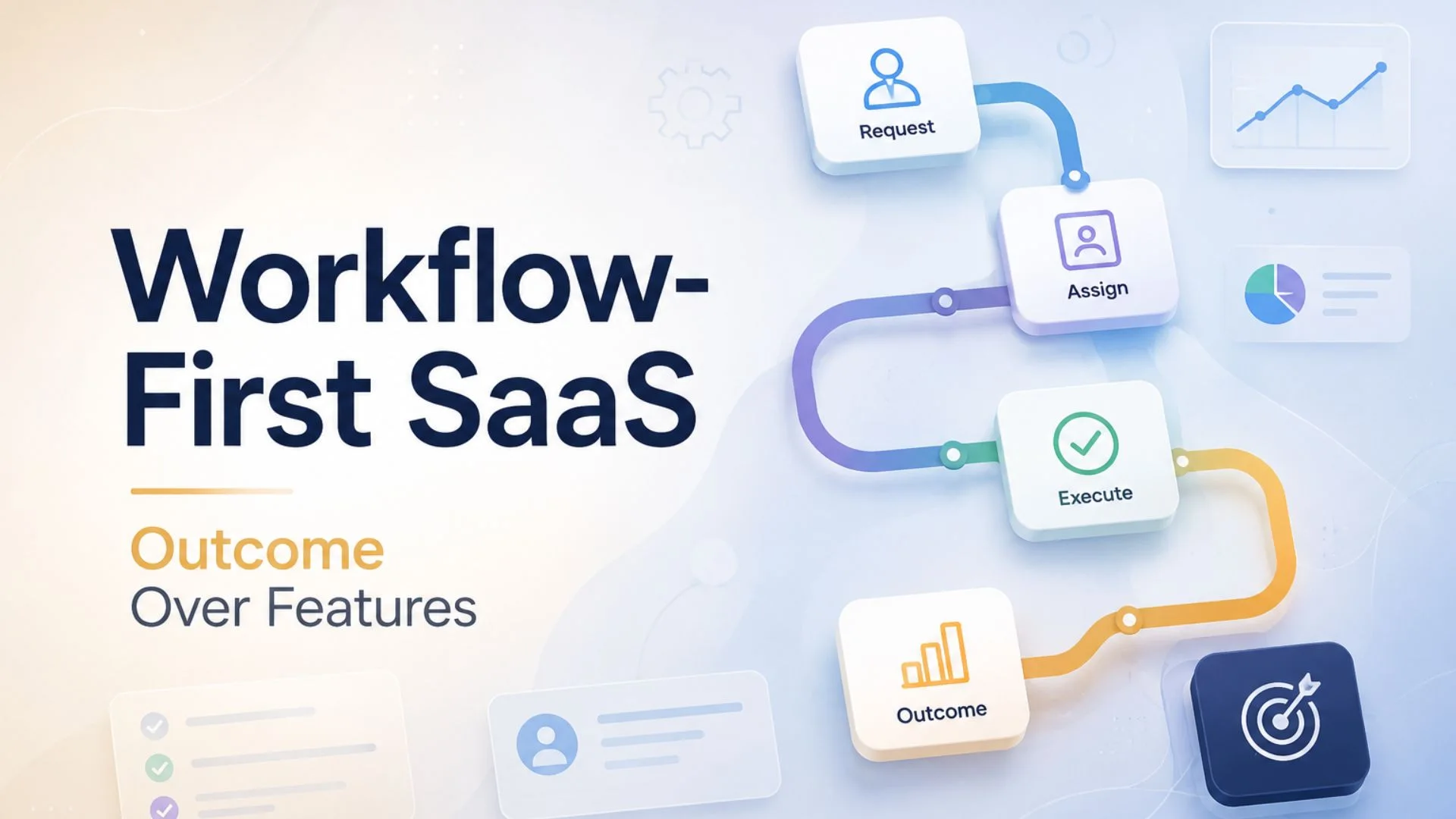
This follows the same principle behind a workflow-first approach to SaaS selection: start with the work that must happen, then decide which capabilities are necessary to support it.
1. Rocketlane
Best for: Structured B2B implementation and professional services teams

Rocketlane is one of the more purpose-built products in this comparison. Its current onboarding platform combines project management, real-time communication and customer collaboration, while its customer-facing experience can include shared portals, interactive plans, reminders, status updates and approval workflows. Rocketlane also documents resource and capacity capabilities for teams that need to manage implementation delivery more formally.
That makes it particularly relevant when onboarding is a real implementation project rather than a short welcome sequence. A B2B software company rolling out a technical product across several customer stakeholders may need milestones, ownership, dependencies, customer approvals and internal delivery visibility in the same process.
For an independent reference, see Rocketlane reviews and product details on G2, including feedback on project management, collaboration and onboarding use cases.
Potential limitation: Very small teams with a simple checklist-based onboarding process may not need the implementation depth that makes Rocketlane attractive to larger delivery organisations.
2. GUIDEcx
Best for: Keeping customers and internal teams aligned during onboarding
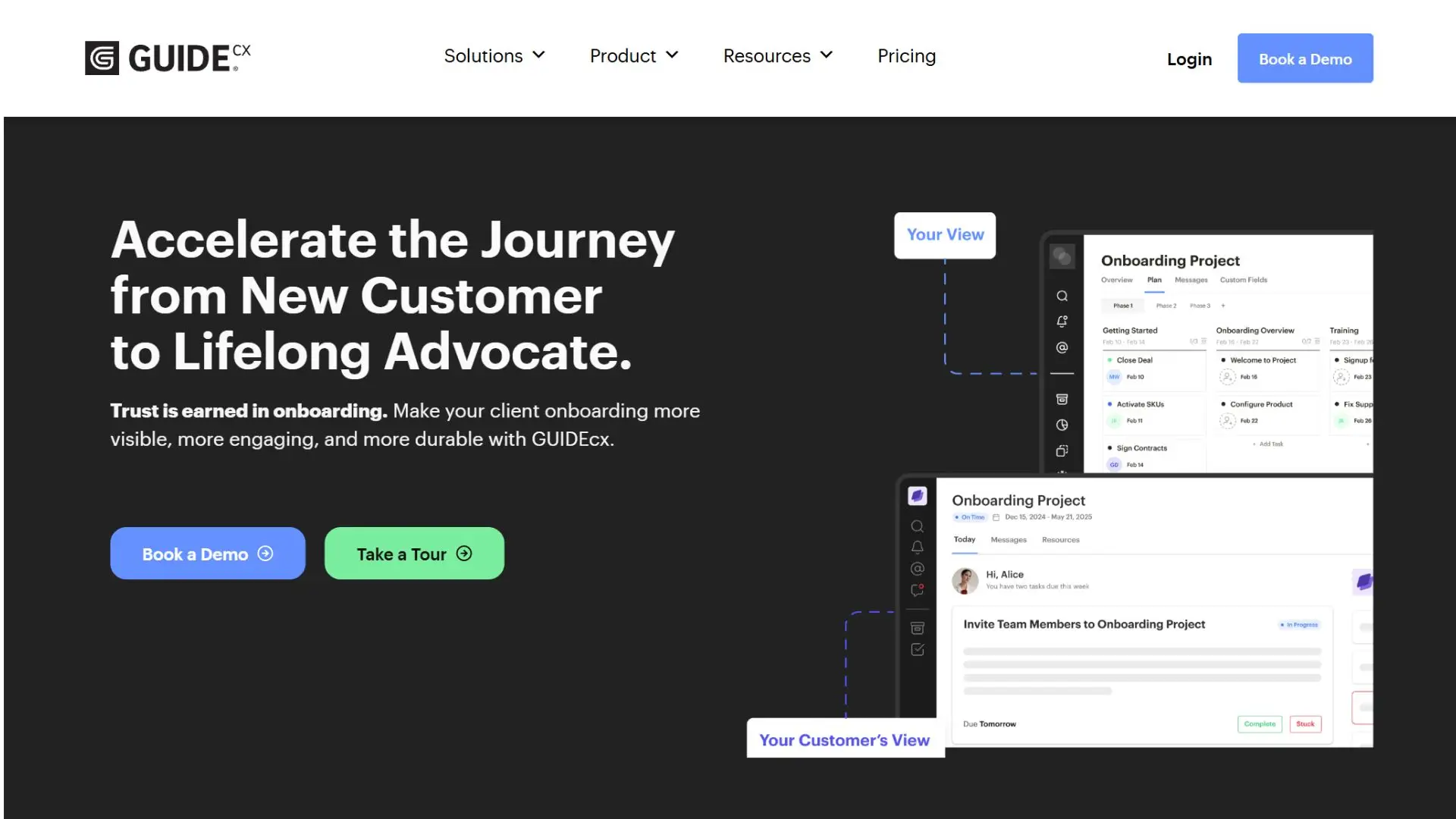
GUIDEcx is built around collaborative onboarding projects. Its platform supports multiple project views, task assignment, task watchers, tags and filters, while customers can participate in the onboarding experience without necessarily having to adopt a complex internal project-management environment.
The product is especially useful when onboarding delays come from coordination rather than technical work. If a project depends on the vendor, the client’s operations team, IT, finance and an executive sponsor, making responsibilities visible can be more valuable than adding another internal task list.
For an independent reference, GUIDEcx reviews and product details on G2 cover its onboarding, project-management and customer-collaboration use cases.
Potential limitation: Teams whose main requirement is deep professional-services economics or highly specialised resource planning should compare GUIDEcx with platforms that place heavier emphasis on PSA-style delivery management.
3. Dock
Best for: A polished client-facing onboarding workspace
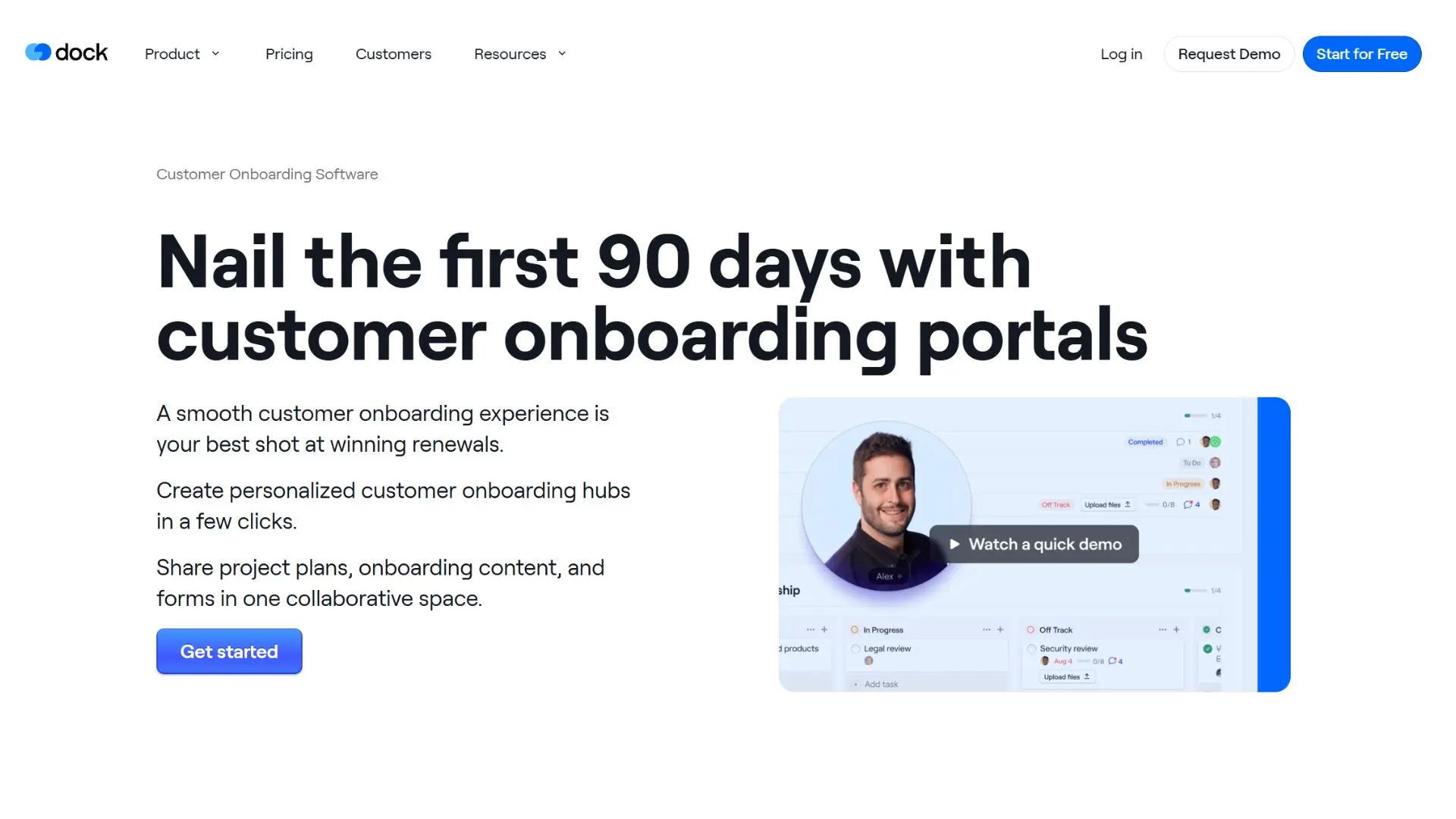
Dock approaches onboarding from the customer-facing workspace side. Its onboarding solution can combine videos, articles, forms, links, slide decks, checklists, project plans and file uploads in a shared workspace. Customers can access onboarding workspaces without creating a Dock account, which can reduce friction for external users.
This model works well when the customer’s experience is fragmented across attachments, old sales emails, meeting notes and disconnected resources. A single workspace gives the client somewhere dependable to return to while the internal team maintains a repeatable template behind the scenes.
For an independent reference, Dock reviews and product details on G2 discuss its client workspaces, onboarding and centralized collaboration experience.
Potential limitation: Companies that primarily need detailed implementation resource management, utilisation or complex delivery governance may prefer a more specialised implementation platform.
4. Moxo
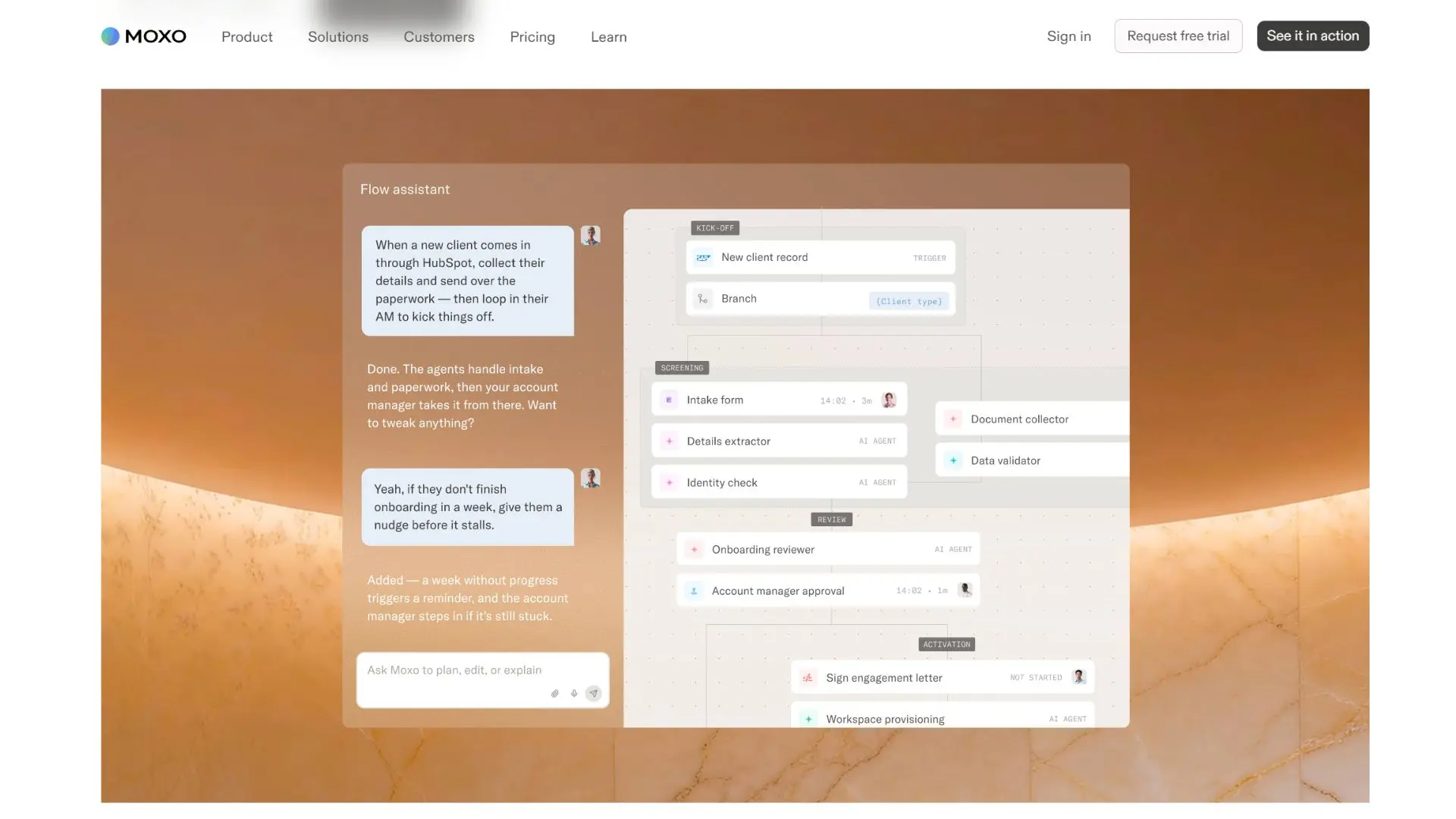
Best for: Onboarding with forms, documents, approvals and structured client actions
Some onboarding processes involve much more than assigning tasks. Financial services, professional services and other process-heavy businesses may need clients to submit files, complete forms, approve information, acknowledge requirements, sign documents or complete other controlled steps before work can proceed.
Moxo is designed for these multi-step interactions. Its current customer onboarding workflow supports forms, file requests, tasks, approvals, acknowledgements and third-party objects, while its portal offering includes document collection, e-signatures, approvals, scheduling, secure messaging and transaction-related actions.
For an independent reference, Moxo reviews and product details on G2 cover its workflow orchestration, client communication and document-management use cases.
Potential limitation: If your onboarding process is little more than a short sequence of tasks and emails, Moxo’s broader workflow model may be more capability than you need.
5. Process Street
Best for: Standardising repeatable client onboarding operations
Process Street treats onboarding as an execution and governance problem. Its client onboarding workflow software supports assigned owners, due dates, forms, approvals, automations, integrations, reminders, escalations and audit history. It also supports conditional paths, which can help teams vary onboarding by client type, service line, package, region or implementation complexity.
This is useful when a company already has several specialist systems but lacks a dependable process connecting them. The CRM can remain the customer record, a document system can hold files and a billing platform can manage payments; Process Street can act as the execution layer that ensures the required steps happen in the correct order.
For an independent reference, Process Street reviews and product details on G2 cover workflow standardisation, task management and automation.
Potential limitation: Organisations whose first priority is a highly branded external client portal may place customer-experience-first products higher on the shortlist.
6. ClickUp
Best for: Agencies, consultancies and smaller teams wanting flexibility
Not every company needs dedicated onboarding software.
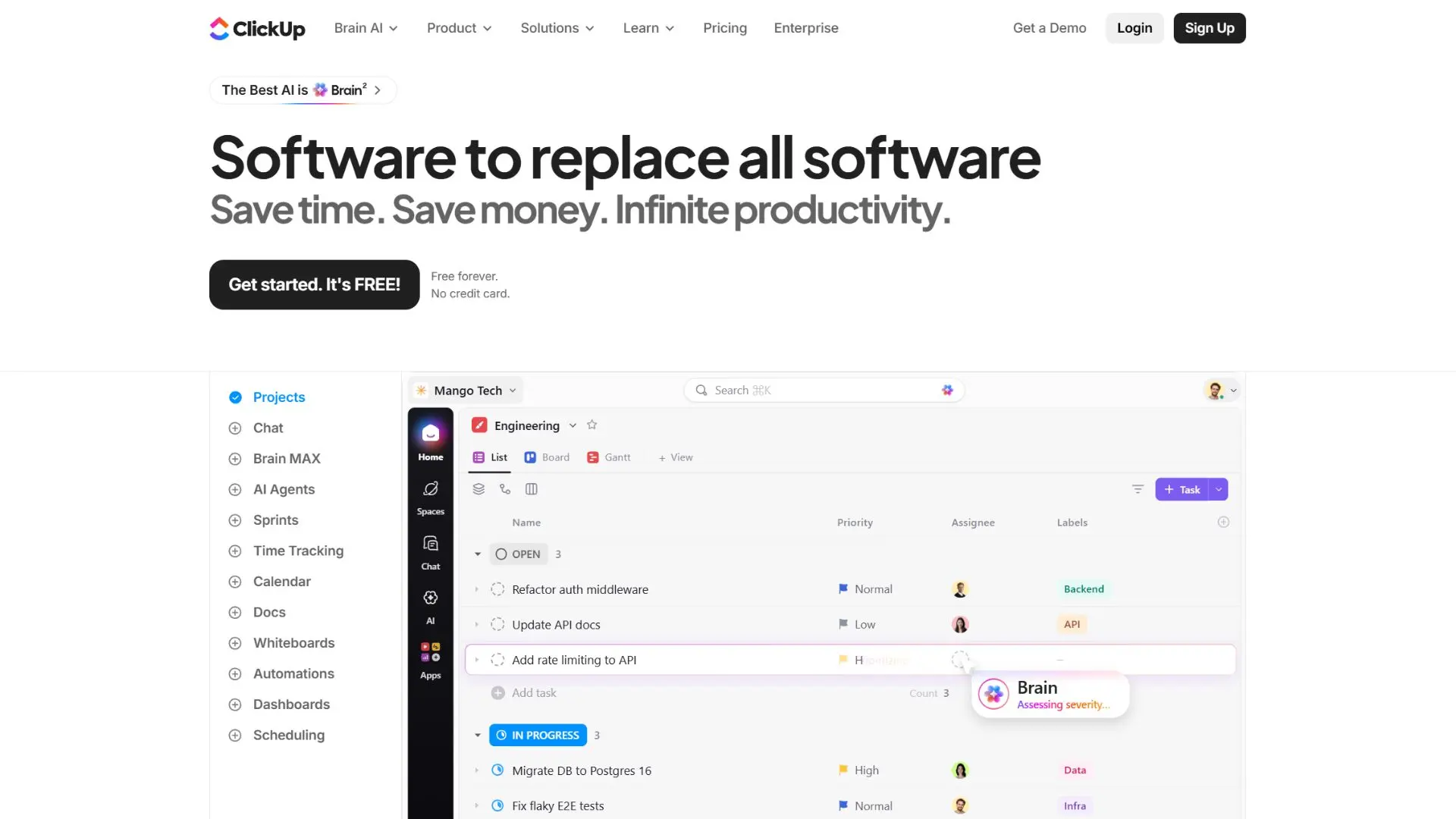
ClickUp is a general work-management platform, but it provides client onboarding templates, workflow automation and ways to centralise tasks, documentation and client information. Independent ClickUp reviews on Capterra also highlight its task, document, dashboard and automation capabilities.
The biggest advantage is consolidation.
An agency already managing delivery in ClickUp may prefer to build onboarding into the same environment rather than introduce another SaaS subscription.
The compromise is that the customer experience and onboarding analytics are not as specialised as those of dedicated customer-onboarding platforms. Configuration quality also matters: a flexible tool can become messy when every team creates its own process.
For straightforward service onboarding, however, the flexibility can be an advantage.
7. ChurnZero
Best for: Customer success teams managing onboarding at scale
ChurnZero approaches onboarding through the customer-success lifecycle. Its onboarding software maps the journey into milestones and owners, can automatically create onboarding tasks and assignments, and keeps customer context available to the success team as the relationship moves beyond implementation.
That makes it a good fit when the business wants onboarding, adoption and retention work to operate in the same customer-success environment. The onboarding team can focus on milestones and handoffs while the wider CS organisation continues to use the same account context after launch.
For an independent reference, ChurnZero reviews and product details on G2 cover its customer-success, automation and account-management capabilities.
Potential limitation: Companies running professional-services-heavy implementations may still prefer a platform with deeper implementation project economics and resource management.
How to Choose Client Onboarding Software
The most reliable buying process starts with your existing onboarding workflow, not a demo calendar.
Map the journey from contract to first value
Write down what happens from the moment a deal closes until the client receives the first meaningful outcome. Include every handoff, customer dependency, approval, document request, system update and decision point.
Then look for friction. Are customers waiting for instructions? Are internal teams waiting for data? Are project managers manually chasing approvals? Is the same information being copied between three tools?
Identify the failure mode before choosing the category
- If complex implementations are difficult to control, Rocketlane or GUIDEcx may deserve early attention.
- If customers need one clean place to collaborate and find resources, Dock may be a stronger starting point.
- If the main issue is inconsistent operational execution, Process Street solves a different problem.
- If onboarding is inseparable from the customer-success lifecycle, ChurnZero may reduce the number of handoffs between systems.
- If your process is dominated by document collection, approvals, forms and structured customer actions, Moxo becomes particularly relevant.
- And if you are an agency or smaller service business already using a flexible work-management environment, ClickUp may be enough.
Check Whether a New Tool Will Simplify or Expand Your Stack
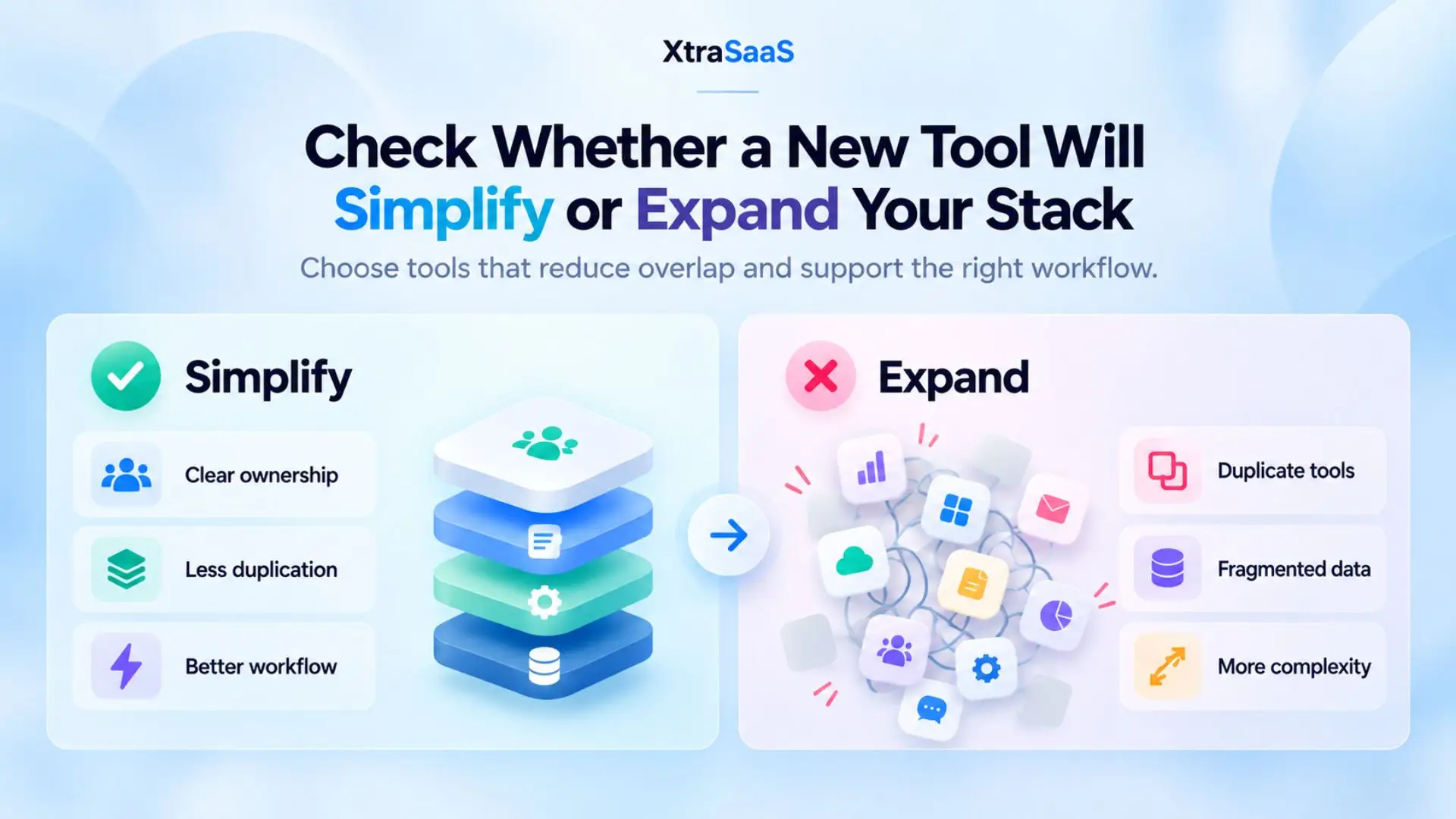
A new onboarding platform should reduce coordination cost, not merely create another place to update. Before buying, map which system will own customer records, project status, documents, communication and reporting. XtraSaaS’s guide to building a clear business SaaS stack explains why every application needs a defined role and source of truth.
This also protects against SaaS sprawl, where overlapping applications create duplicate subscriptions, fragmented data and manual reconciliation work.
Features Worth Comparing
Customer visibility
Clients should be able to understand what has happened, what is expected from them and what comes next without asking for a status call.
Workflow automation
Useful automation removes repetitive coordination: reminders, task creation, assignment, routing, status updates and handoffs.
Templates and segmentation
Templates make onboarding scalable, but the software should still allow sensible variation between customer types, service packages and implementation complexity.
Integrations
CRM, customer-success, communication, document, support and billing systems often contain information the onboarding process needs. Check the specific systems you use rather than relying on an abstract integration count.
Reporting
Managers should be able to identify stalled projects, recurring bottlenecks and meaningful differences between customer segments.
Permissions and security
Onboarding can contain commercial, operational and customer data. Review access controls, external-user permissions and the way client-facing information is separated from internal work.
Customer experience
A technically complete process can still frustrate customers. During evaluation, look at the workflow from the client’s side: how they access the portal, complete actions, upload information, receive reminders and understand progress.
Client Onboarding Software vs. Customer Success Software
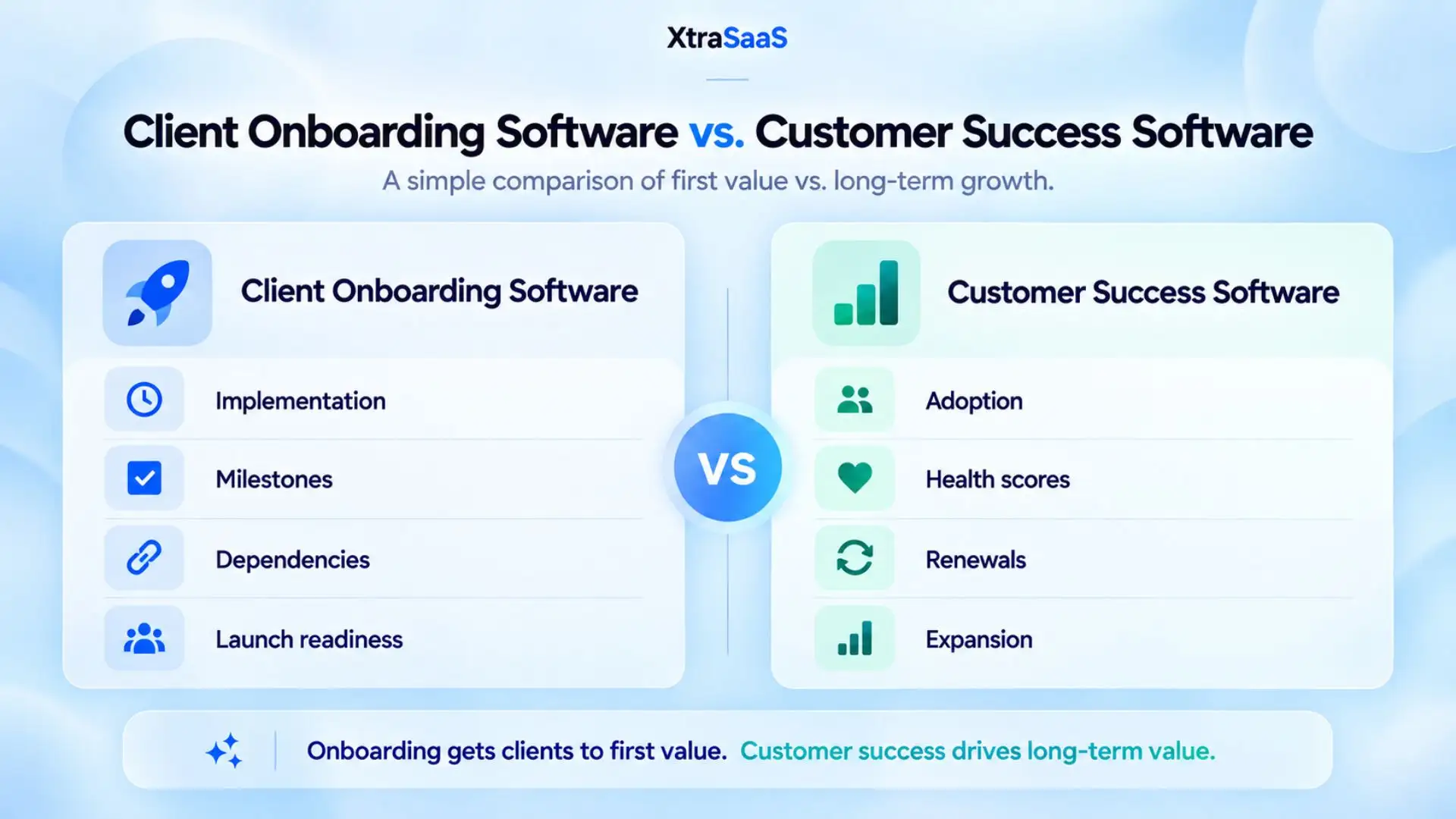
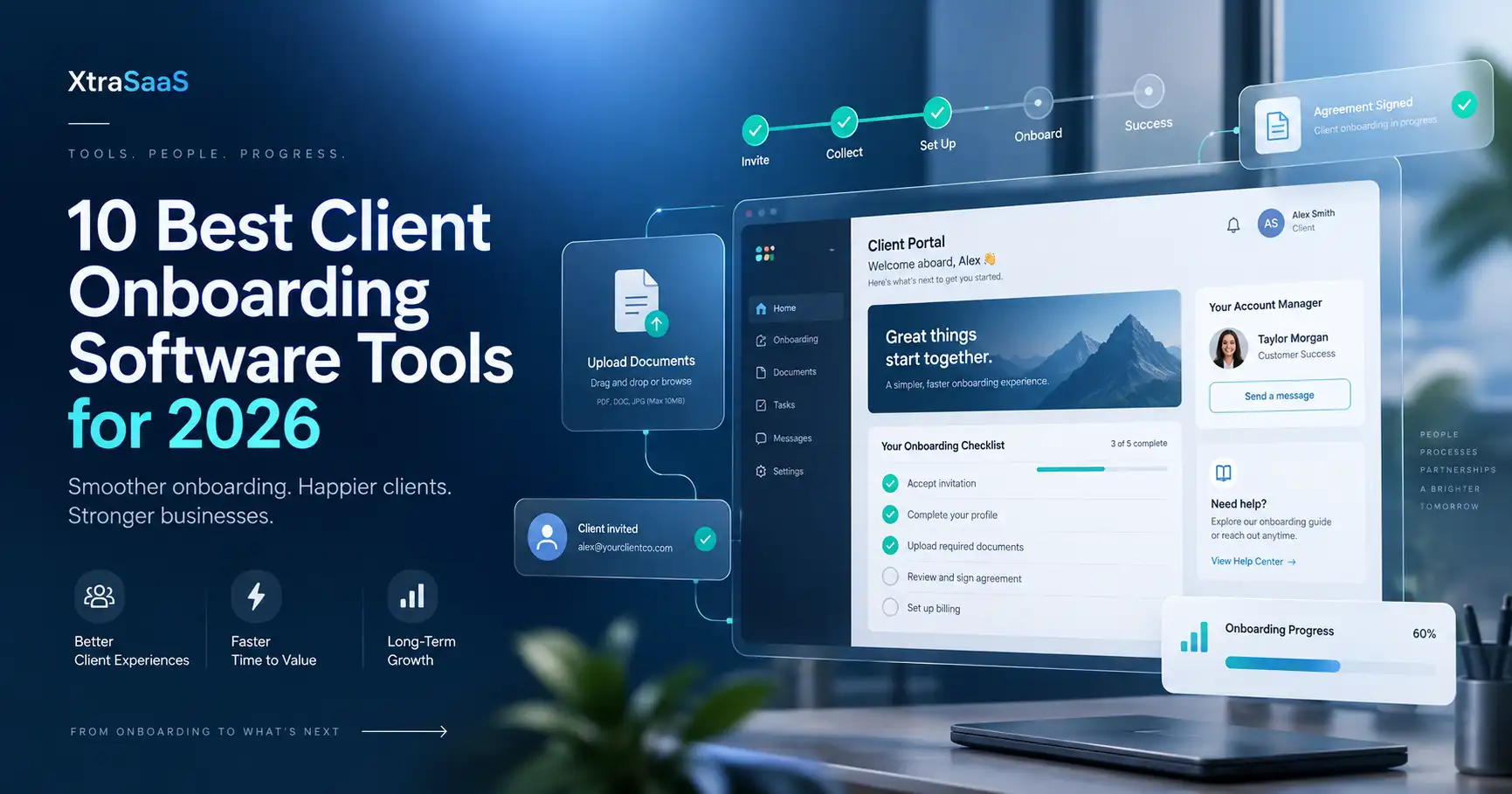
The categories overlap, but the scope is different. Dedicated client onboarding software usually concentrates on the implementation period: tasks, milestones, dependencies, customer collaboration and launch readiness.
Customer success software follows the account further. It may include product usage, health scores, lifecycle automation, renewals, expansion and customer engagement alongside onboarding.
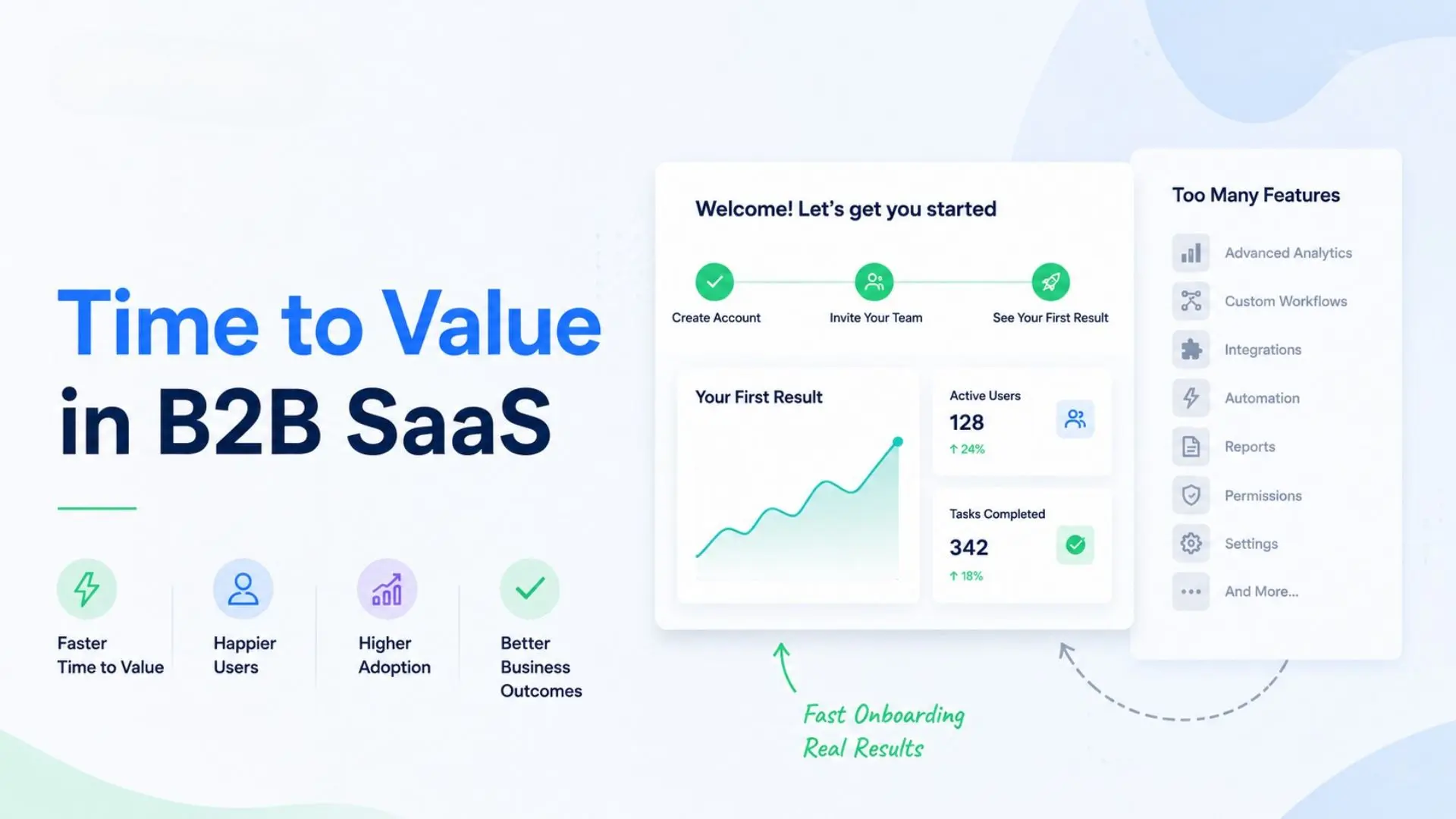
The right choice depends on where the operational gap exists. Good onboarding should move a customer toward a meaningful result, not simply complete a checklist. That is why the distinction between activity and outcome is central to both time-to-value management and a workflow-first software evaluation.
Final Thoughts
There is no universal winner in client onboarding software because companies are not solving the same onboarding problem.
Rocketlane stands out for substantial B2B implementations. GUIDEcx is a strong fit when shared project visibility and customer participation matter. Dock puts more emphasis on the customer-facing workspace, while Moxo is designed for structured interactions such as forms, files, approvals and signatures.
Process Street is compelling when the priority is process control and repeatability. ChurnZero connects onboarding with broader customer-success operations. ClickUp remains a practical option when flexibility and tool consolidation matter more than specialised onboarding depth.
The best shortlist therefore starts with the workflow. Identify where customers wait, where employees chase information, where ownership becomes unclear and where data is duplicated. Then choose the product whose strengths match those specific points of friction.
Frequently Asked Questions
What is client onboarding software?
Client onboarding software helps a business organise and manage the process of moving a new client from purchase or signed agreement into active use or service delivery. Depending on the platform, it may manage projects, tasks, documents, approvals, communication, training, customer portals and progress tracking.
What is the best client onboarding software?
There is no single best product for every organisation. Rocketlane and GUIDEcx are strong candidates for structured B2B implementations, while ChurnZero fits customer-success-led environments. Dock emphasises the customer-facing experience, Moxo supports process-heavy onboarding, Process Street focuses on repeatable workflow execution, and ClickUp offers a flexible general-work-management option.
Can project management software be used for client onboarding?
Yes. A flexible work-management platform such as ClickUp can manage client onboarding when the process is relatively straightforward. Dedicated onboarding platforms become more valuable when organisations need specialised customer portals, implementation analytics, complex dependencies, external collaboration or lifecycle automation.
What should client onboarding software integrate with?
Common integrations include CRM, email, calendars, document management, communication platforms, billing systems, support tools and customer-success software. The most important integrations are the ones that connect the systems holding authoritative customer, project and commercial data.
Does a small business need dedicated onboarding software?
Not always. A small organisation with a simple onboarding process may be able to use its existing CRM or work-management platform. Dedicated software becomes easier to justify as onboarding volume, process complexity, customer participation and coordination requirements increase.