Search for “unique business ideas in India” and you will mostly find the same list wearing different headlines: a cloud kitchen, a tuition centre, a clothing reseller, a dropshipping store. Nothing wrong with any of them. They are just crowded, and crowded markets punish first-time founders on price.
The ideas below come from a different starting point. We looked at what is actually changing in how Indian businesses operate in 2026. UPI is deeply embedded in everyday digital payments across India. Small firms are trying to get AI to do routine work. Electric two- and three-wheelers need servicing and charging support that barely existed five years ago. ONDC has opened another sales channel for small sellers. And families are looking for help looking after ageing parents from another city. Each shift leaves a gap that a small, focused business can fill.
In this guide
- All 12 ideas at a glance
- What makes an idea worth pursuing
- 1. AI workflow automation
- 2. WhatsApp commerce setup
- 3. Regional-language content studio
- 4. Micro-SaaS for Indian SMEs
- 5. ONDC seller operations
- 6. Drone survey and documentation
- 7. EV fleet support
- 8. Refurbished business electronics
- 9. Senior citizen concierge
- 10. Niche equipment rental
- 11. Microgreens for restaurants
- 12. B2B replenishment
- Ideas under ₹50,000, from home and for small towns
- How to choose
- Registrations and compliance
- FAQs
12 Unique Business Ideas in India at a Glance
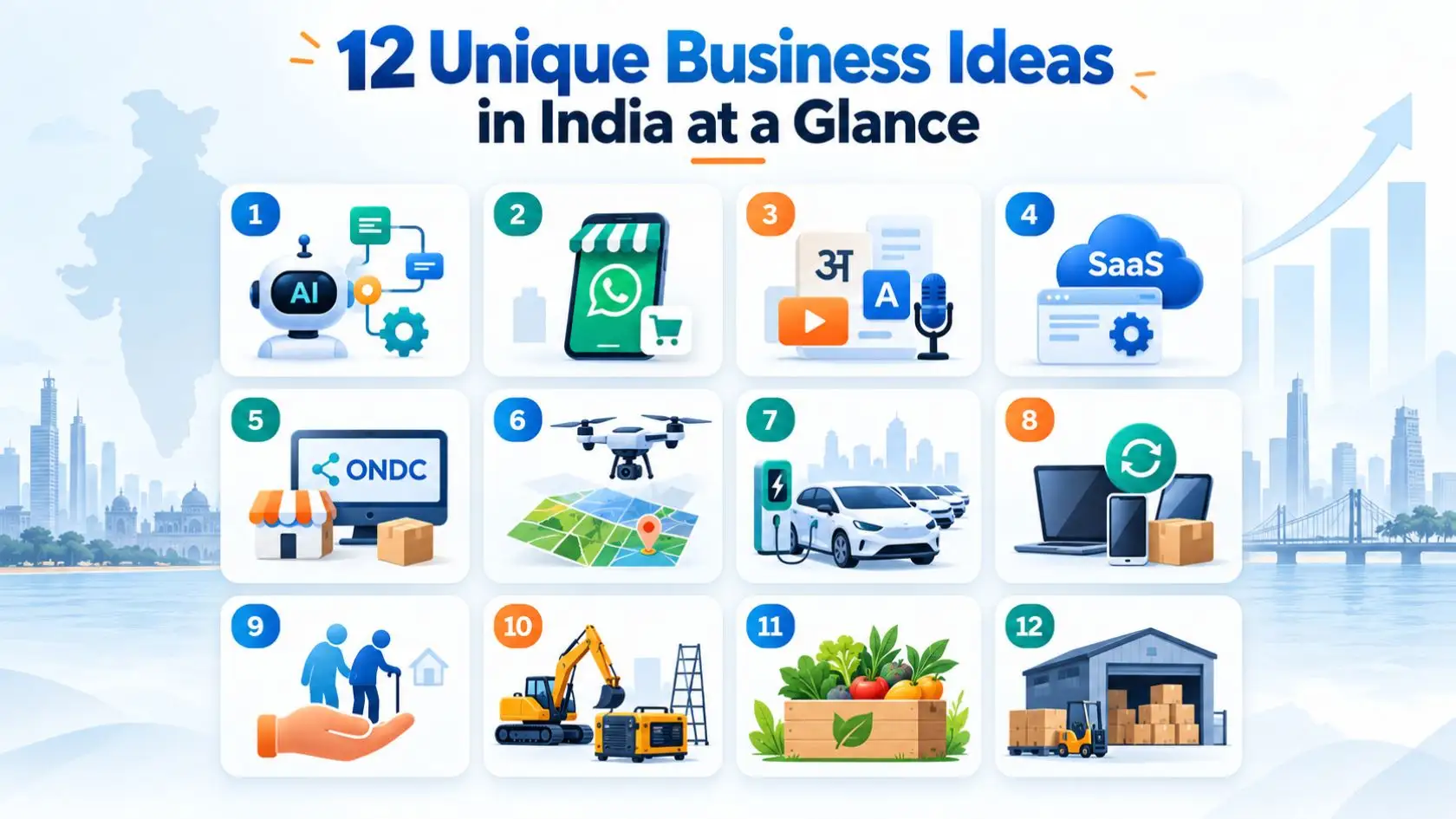
| Business idea | Starting budget | Revenue model | Time to first revenue | Best suited to |
|---|---|---|---|---|
| AI workflow automation service | ₹15,000–₹60,000 | Setup fees + retainers | Fast (weeks) | Tech-savvy consultants |
| WhatsApp commerce setup | ₹10,000–₹40,000 | Setup + monthly management | Fast (weeks) | Marketers and agencies |
| Regional-language content studio | ₹20,000–₹75,000 | Monthly retainers | Fast (weeks) | Creators and editors |
| Micro-SaaS for Indian SMEs | ₹30,000–₹2 lakh | Monthly subscription | Slow (months) | Developers and product builders |
| ONDC seller operations | ₹10,000–₹50,000 | Onboarding + management fee | Fast (weeks) | E-commerce professionals |
| Drone survey and documentation | ₹1 lakh–₹3 lakh+ | Per-project or monthly contracts | Medium (needs certification) | Technical operators |
| EV fleet support | ₹50,000–₹3 lakh | Service contracts | Medium | Auto and operations professionals |
| Refurbished business electronics | ₹75,000–₹3 lakh | Hardware margin + AMC | Medium | Hardware specialists |
| Senior citizen concierge | ₹25,000–₹1 lakh | Monthly family plans | Medium (trust takes time) | Service-oriented founders |
| Niche equipment rental | ₹1 lakh–₹5 lakh | Rental fees + deposits | Medium | Founders with local networks |
| Microgreens and specialty produce | ₹30,000–₹1 lakh | Recurring B2B orders | Medium (first harvest cycle) | Growers and food entrepreneurs |
| B2B replenishment service | ₹25,000–₹1 lakh | Margin + supply agreements | Fast (weeks) | Procurement-minded founders |
What Makes a Business Idea Worth Pursuing?
Four questions settle most of it. Does a specific type of customer have this problem often enough to pay for a fix? Can you reach them without a big ad budget? Can you test the idea in a small form before you buy equipment or hire? And once you deliver, is there enough margin left to do the work properly?
If an idea fails any one of these, a clever pitch will not rescue it. If it passes all four, it is worth a 30-day test, which is why every idea below includes one.
1. AI Workflow Automation Service for Small Businesses
Plenty of Indian business owners want to “use AI” and have no idea where to start. Very few of them need a chatbot. What eats their week is repetitive admin: sorting enquiries from three channels, copying leads into a CRM, building the same Monday report, shortlisting CVs before someone reads them.
An automation consultant connects tools such as Google Sheets, a CRM, WhatsApp and an AI model so that work happens without someone copying it by hand. The client pays for the hours saved. Which model sits underneath matters far less to them.
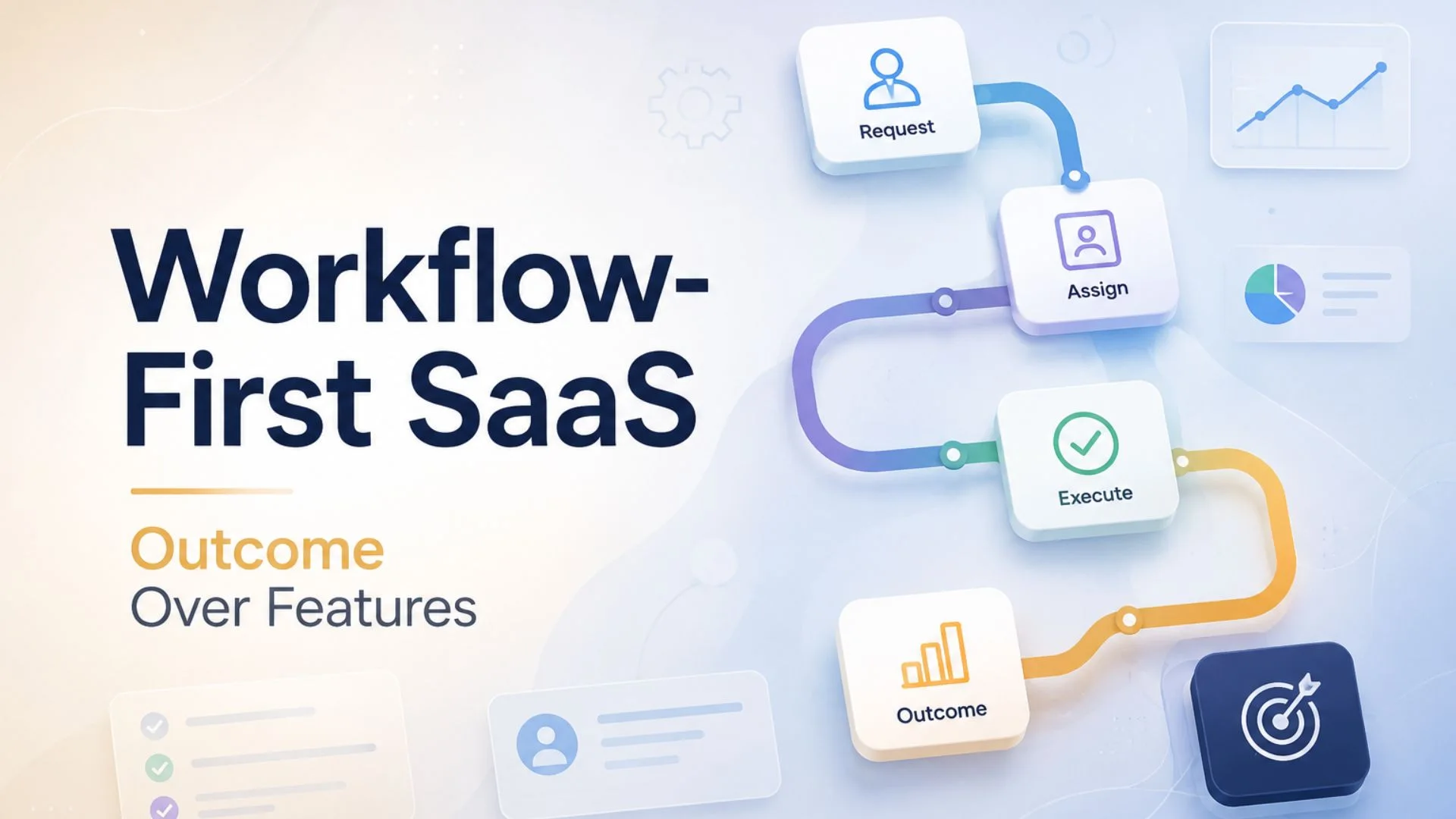
Pick one industry (say, real estate brokers or diagnostic labs) and two or three problems you can solve the same way each time. Clean up the process before you automate it. If the manual process is messy, automation only makes the mess run faster. XtraSaaS covers this thinking in workflow-first SaaS, and our guide on why some AI projects ship while others stall is worth reading before your first client. For handling client data responsibly, see our framework on AI governance and accountable workflows.
2. WhatsApp Commerce Setup for Local Businesses
For a lot of Indian clinics, coaching centres, boutiques and restaurants, WhatsApp already is the sales channel. The problem is how it is run. Enquiries land on the owner’s personal phone, staff reply inconsistently, and nobody follows up with the customer who asked for a price last Tuesday.
A WhatsApp commerce specialist sets up the catalogue, quick replies, approved message templates, routing between staff, a CRM hand-off and order or appointment updates. Payment is the easy part. UPI is already how most customers pay. NPCI’s UPI product statistics publish the latest monthly transaction volume and value if you want current figures for a client pitch.
Know the cost model before you quote a client. The WhatsApp Business Platform charges per delivered message, and the rate depends on the market and the message category (marketing, utility, authentication or service). Since 1 October 2026, Meta also charges service messages on a per-message basis, although the first 1,000 service messages per business phone number each month are free.
Rates vary by message category and market, so check Meta’s current WhatsApp pricing and the India rate card before setting your retainer. Sell to one vertical. “WhatsApp lead management for dental clinics” is far easier to sell than “WhatsApp setup”, for the same reason vertical software often wins over horizontal tools.
3. Regional-Language Short-Form Content Studio
A Marathi-speaking customer in Nashik and a Tamil-speaking customer in Coimbatore will not respond to the same English reel. National brands know this, and so do regional ones that want to grow beyond their home state. Most social media agencies still work in English and Hindi, and that leaves the other languages under-served.
A studio that does scripting, voiceover, subtitles, editing and cultural adaptation in one or two languages can charge retainers that a generalist cannot. A straight translation usually sounds wrong to the audience. The skill clients pay for is keeping the brand’s voice while making the joke, the reference and the offer land locally.
4. Micro-SaaS Built Around an Indian Business Problem
Competing with Zoho or Tally on a broad product is a losing game for a solo developer. A narrow tool for one painful job is far easier to sell, for example:
- fee reminders and receipts for tuition centres
- quotation follow-ups for steel fabricators
- maintenance schedules for apartment contractors
- document collection for CA practices
- job-card tracking for mobile and appliance repair shops
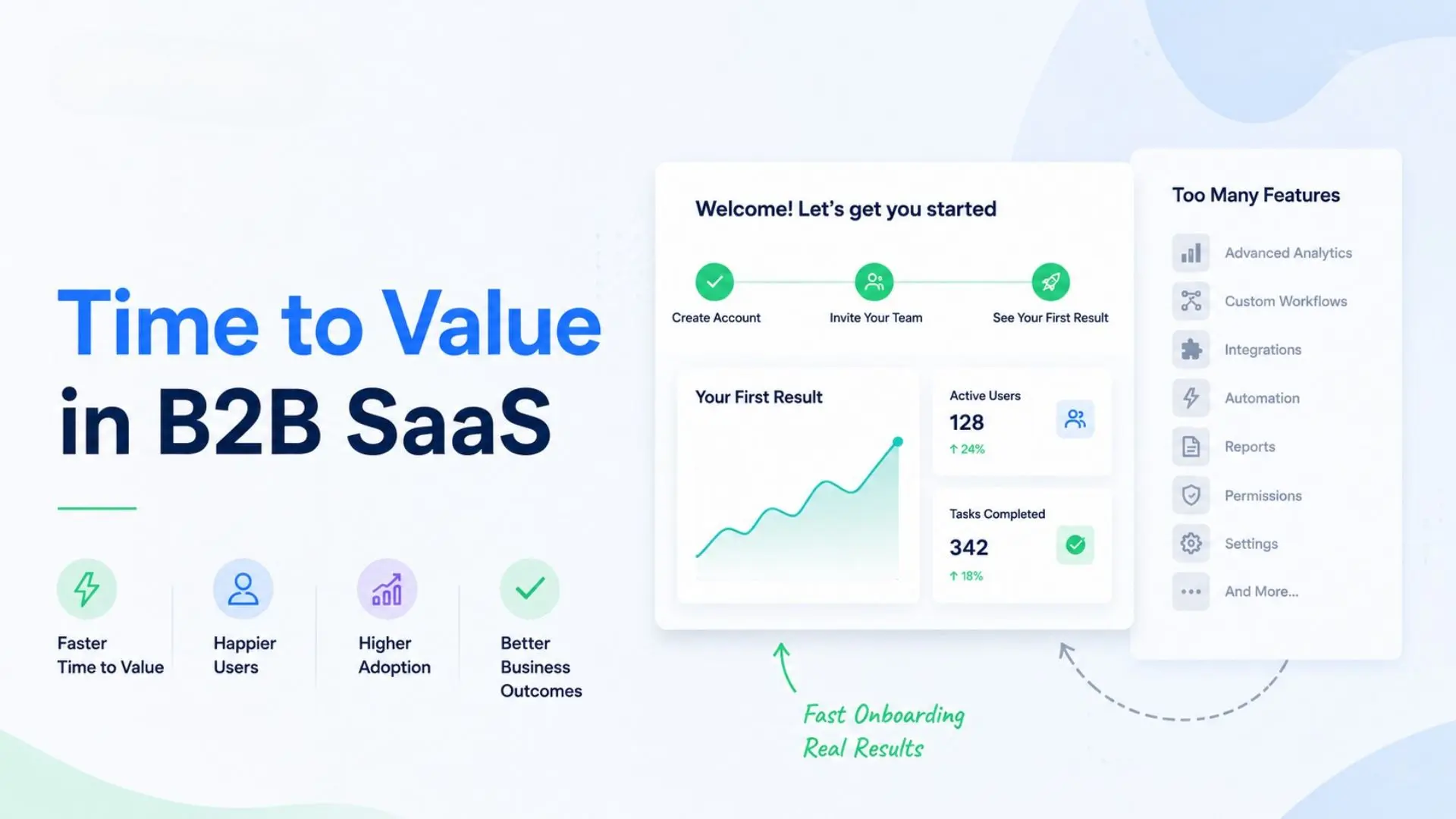
That is the logic behind micro-SaaS: one job done very well. Before writing code, sit with five potential users and watch how they do the task today. The spreadsheet, the WhatsApp group and the handwritten register they use are your real competition, and they show you which features matter. Indian SMEs are price-sensitive and churn quickly when setup is hard, so time to value matters more than a long feature list.
5. ONDC Seller Operations Service
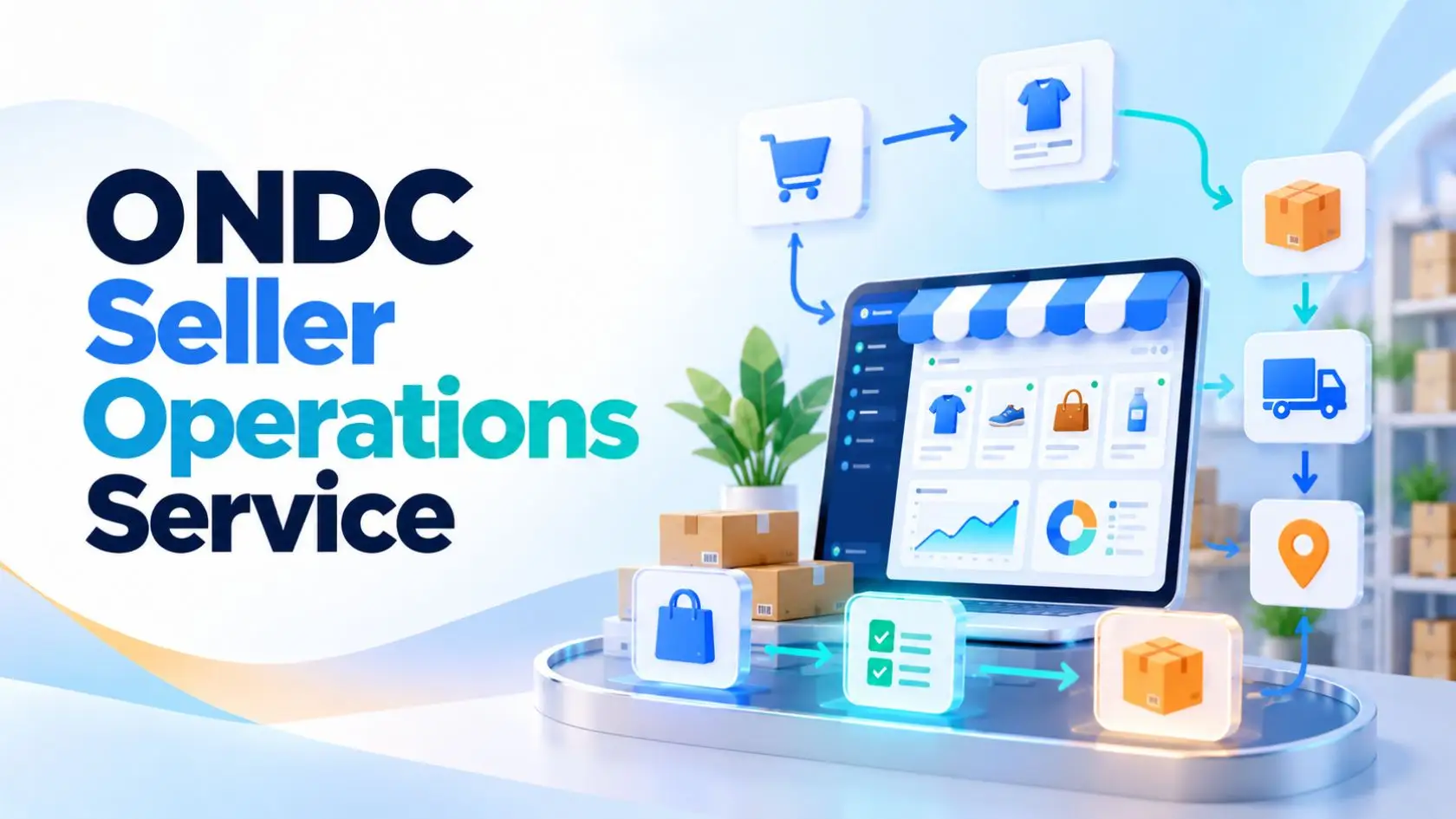
The Open Network for Digital Commerce (ONDC) is a government-backed open network that lets sellers be discovered across many buyer apps instead of one marketplace. Getting listed is only the start. A seller still needs clean catalogue data, photos, pricing, inventory sync and someone to handle orders and returns.
Sellers join through a seller network participant, and ONDC’s official seller network page explains how that works. A service business can sit next to these participants and do the operational work small sellers cannot. Promise operational quality, such as clean listings and reliable fulfilment, and never promise a sales figure.
6. Drone Survey and Documentation Service
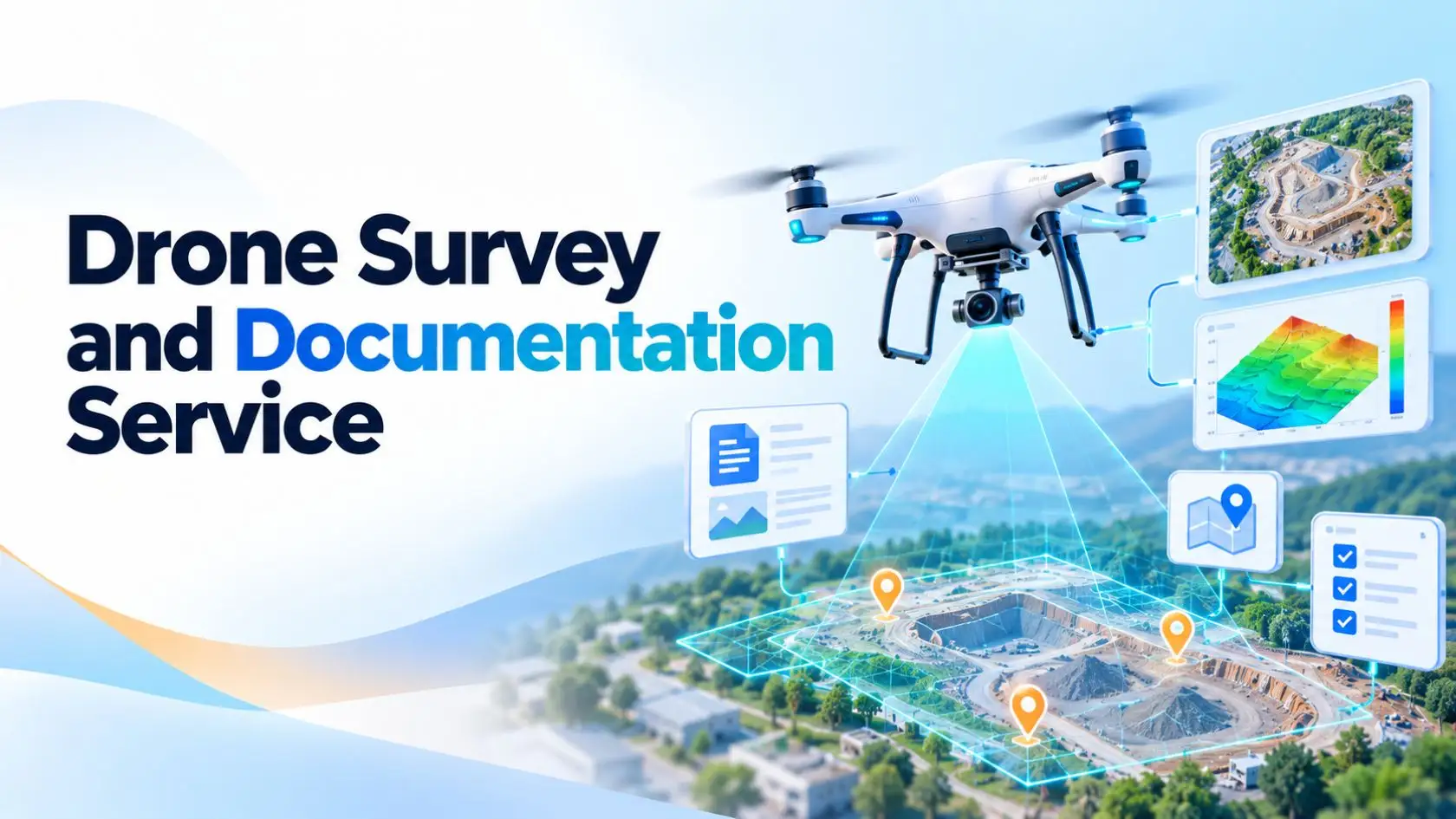
Builders, solar EPC companies, landowners and infrastructure contractors need regular, consistent aerial records: monthly progress photos, site maps, roof inspections. Cinematic footage does little for them. What they pay for is the same angle every month and a report they can forward to investors or lenders. Agriculture is another growing use case, which we covered in how drone software helps farmers save costs.
This is the most regulated idea on the list. Under India’s Drone Rules, 2021, drones generally need to be registered on DGCA’s Digital Sky platform, flights must respect the green, yellow and red airspace zones, and flying anything above the nano category requires a Remote Pilot Certificate from a DGCA-authorised training organisation. Get certified and check the airspace map before you buy a drone or accept a paid job.
7. EV Fleet Support and Charging Coordination
Electric two- and three-wheelers are now common in delivery and last-mile fleets, and the government is still pushing the shift. The PM E-DRIVE portal lists ₹2,000 crore for public charging infrastructure, and in August 2026 the scheme’s support for e-2Ws was extended to 31 March 2028.
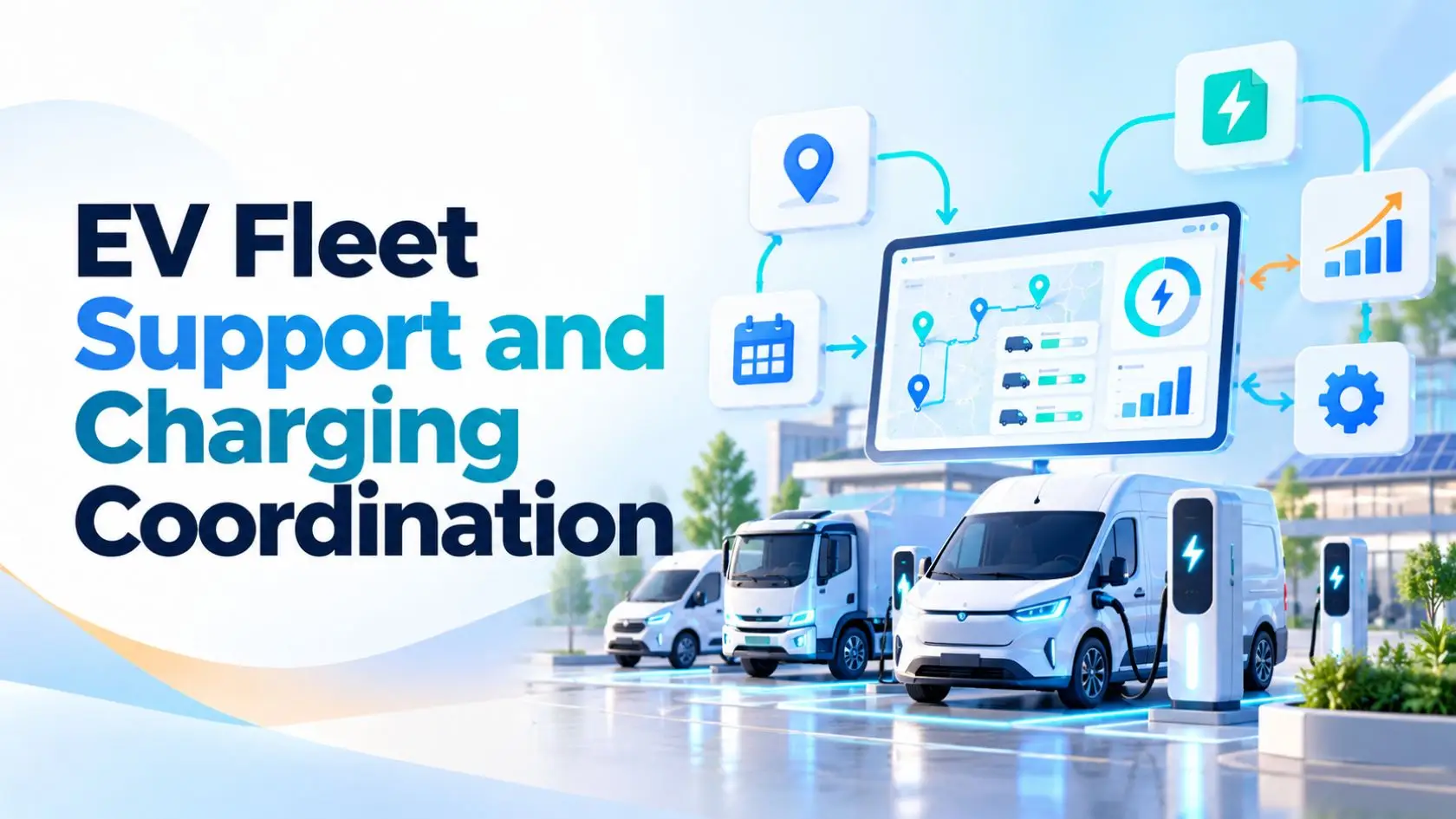
Fleet operators, apartment societies and businesses with electric vehicles need help with overnight charging schedules, downtime, battery health, vendor coordination and usage tracking. A small operator can take one of these problems in one city, for example charging coordination for a delivery fleet or charger vendor management for commercial buildings, and do it well. You do not need to build a charging network.
8. Refurbished Electronics for Small Businesses
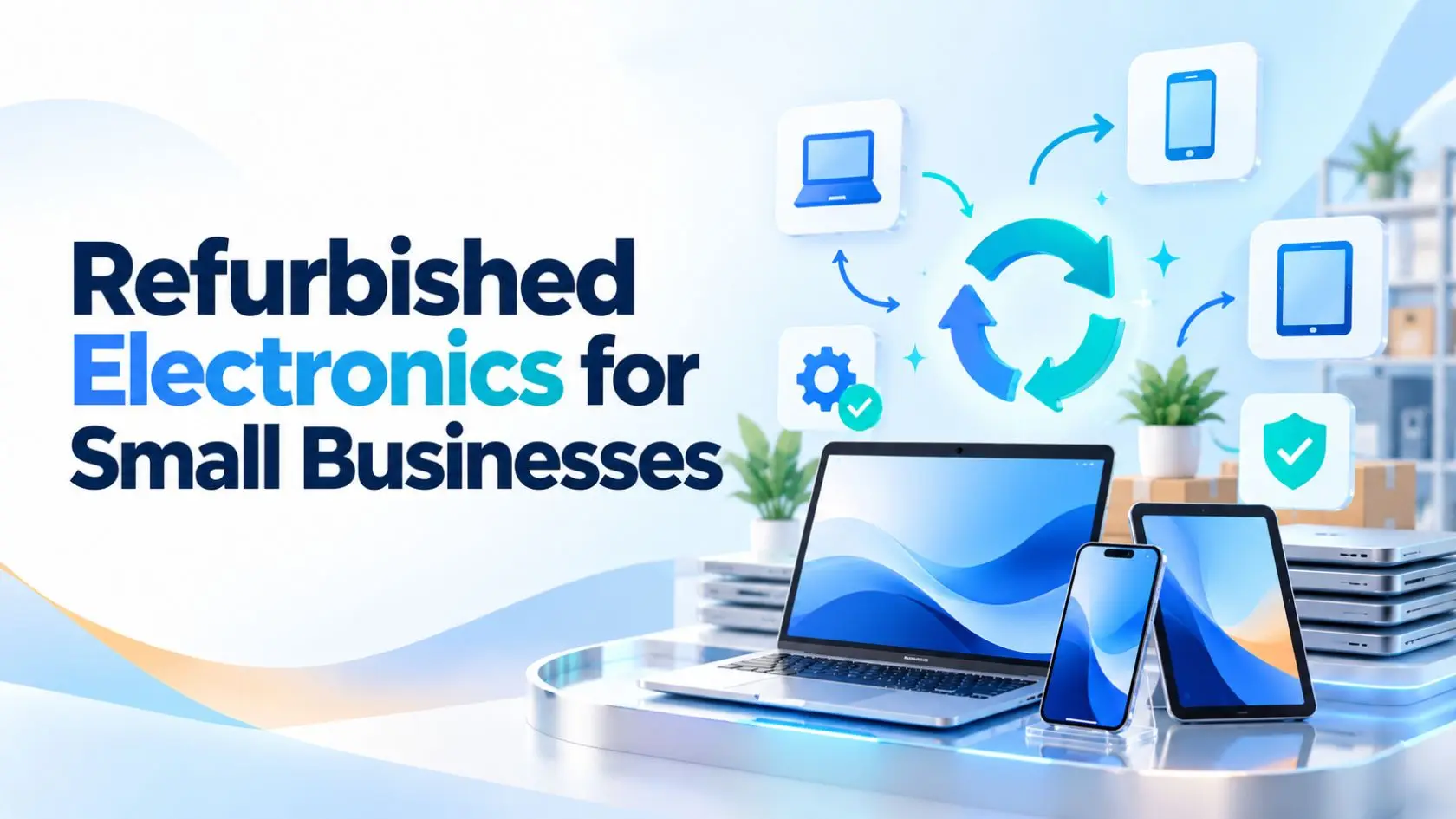
A coaching centre that needs fifteen laptops, or a clinic setting up a reception, cares about price. It also cares about every machine having the same specifications, being set up on delivery, and having someone to call when one fails. That makes B2B refurbishment as much a service business as a resale one.
Stock a few reliable business models, test each one properly and sell setup plus an annual maintenance contract (AMC). Track repair and return rates by model from the first month. Cheap stock with a high failure rate gets expensive very quickly.
9. Senior Citizen Concierge Service
India is ageing quickly. UNFPA’s India Ageing Report 2023 found that people over 60 made up 10.5% of the population in 2022, and projects that share will reach about 20.8% by 2050. Many have children working in another city or abroad, and some of those families look for a dependable local service to handle routine tasks back home.
That work is booking doctor appointments, arranging transport, getting the geyser fixed, paying bills, sorting out bank and pension paperwork, and dropping in for a visit. The service is non-medical. Add medical care only if you have the qualified staff and systems it needs.
Everything here depends on trust. Police-verified staff, written service boundaries, visit logs with photos shared with the family, emergency contacts and transparent billing are what make families stay.
10. Niche Equipment Rental
Rental works when the item is expensive to buy and used only now and then. Pick one category, such as creator cameras and lights, professional cleaning machines, camping gear, event equipment or specialist tools, and own it in your city.
The number that decides profit is utilisation: how many days a month each unit is out. List the items before you buy them and see which ones people actually ask for. Set the damage policy, ID verification, deposits, maintenance and delivery before the first rental.
11. Microgreens and Specialty Produce for Restaurants
Premium restaurants, cafés and cloud kitchens often struggle to get microgreens, fresh herbs and edible flowers at consistent quality from wholesale markets. Start by finding the buyer. Choose the crop after that.
Ask chefs what they cannot reliably source, how much they use a week and what quality they expect. Then grow to those orders. Food businesses need FSSAI registration or a licence depending on turnover and activity. Small operators usually start with basic registration, and you can check what applies on the FSSAI FoSCoS portal.
12. B2B Replenishment Service for Small Offices and Clinics
Offices, clinics, salons and coaching centres keep buying the same things: cleaning supplies, printer toner, pantry items, gloves and disposables. Owners do not want to browse another marketplace. They want the stock to turn up before it runs out.
Start with one segment and a short list of fast-moving items. In the beginning, order from wholesalers against confirmed demand instead of holding inventory. The margin on each item is small. The business works because customers reorder every month without you spending more to acquire them.
Unique Business Ideas Under ₹50,000, From Home and for Small Towns
Under ₹50,000: WhatsApp commerce setup, ONDC seller operations, AI workflow automation and a one-person regional-language content studio all have lean starting budgets that begin well below ₹50,000, because you sell skills and time instead of stock.
From home: AI automation, micro-SaaS, regional content and WhatsApp setup need only a laptop and a reliable internet connection. Microgreens can start in a spare room or on a terrace.
Small towns and tier-3 cities: ONDC seller operations, regional-language content, refurbished electronics for local schools and offices, and drone services for agriculture can suit tier-2 and tier-3 towns. Check how many providers already serve your area before you commit.
How to Choose the Right Business Idea
Ignore which idea has the biggest theoretical income. Start from the advantage you already have. A developer is halfway to a micro-SaaS. Someone from logistics will understand EV fleets faster than anyone else. A bilingual editor has a head start on regional content.
Then prove demand before you build anything heavy. Sell the service package before you hire. Get pilot users before you write the full product. Collect rental enquiries before you buy equipment. Sign restaurant buyers before you scale production. For a wider, non-India-specific comparison of sectors, see our guide to the most successful businesses to start in 2026.
Once software becomes part of the operation, keep your stack lean. Our guide to a business SaaS stack explains how to pick tools with a clear purpose, and SaaS sprawl covers the warning signs when subscriptions pile up. If you run a service business, client onboarding software helps you look professional from the first client.
Registrations and Compliance Before You Spend Heavily
What you need depends on the activity and the state. Think about entity structure, GST, local licences such as Shops and Establishments registration, sector approvals, insurance, contracts and labour rules. One registration rarely covers everything. If you are unsure where to start, our walkthrough from company registration to digital marketing covers the early steps.
- Udyam (MSME): free registration on the Udyam Registration Portal. Since April 2025, a micro enterprise is one with investment up to ₹2.5 crore and turnover up to ₹10 crore.
- Startup India (DPIIT recognition): according to the Startup India scheme page, an entity qualifies for up to 10 years from incorporation if annual turnover has not exceeded ₹200 crore in any year (20 years and ₹300 crore for deep-tech startups).
- GST: registration depends on turnover thresholds that differ for goods and services and by state. Inter-state supply of goods and selling goods through e-commerce platforms can require registration earlier. Confirm on the official GST portal.
- FSSAI: required for food businesses such as microgreens supply.
- DGCA / Digital Sky: required for commercial drone operations.
This article is general business information, not legal, tax or financial advice. Rules change, so confirm current requirements with the official source or a qualified professional.
Which Unique Business Idea Has the Best Potential in India?
It depends on what you bring. AI workflow services and micro-SaaS suit founders with technical skills and can serve clients across cities. Senior concierge, B2B replenishment and equipment rental win on local trust and tight operations. EV fleet support, ONDC seller operations and refurbished electronics reward specialist knowledge.
Instead of asking which idea is hottest, ask this: which customer problem can you understand better than most people, reach cheaply, and solve well enough that they pay you again next month?
FAQs
What are some genuinely unique business ideas in India for 2026?
AI workflow automation, WhatsApp commerce setup, regional-language content studios, ONDC seller operations, micro-SaaS for Indian SMEs, senior citizen concierge services, EV fleet support and niche equipment rental all serve specific, growing needs that most “business ideas” lists skip.
Which unique business can I start with ₹50,000?
Service businesses fit this budget best. AI automation consulting, WhatsApp commerce setup, ONDC seller support and regional-language content production can all be tested without buying inventory.
Which business can I start with ₹1 lakh in India?
With ₹1 lakh you can add light physical operations: a microgreens setup for restaurant supply, a senior concierge service in one neighbourhood, or a B2B replenishment service for a cluster of offices.
Which unique business can I start from home?
AI automation, micro-SaaS, regional-language content and WhatsApp commerce setup can be run from home with a laptop and good internet. Small-scale microgreens can also start at home.
Which business is most profitable in India in 2026?
No single business is the most profitable for everyone. Service and software businesses on this list usually have the highest margins because they carry little inventory, but profit depends on pricing, customer retention and your cost of acquiring clients.
Which business is best for beginners in India?
Pick one you can sell before you invest heavily. A narrow service with a clear customer and a defined deliverable is easier to validate than a shop, a factory or anything inventory-heavy.
Do I need GST registration to start a small business in India?
Not always. GST registration depends on turnover thresholds and the type of supply. Inter-state supply of goods and selling goods through e-commerce platforms can require it earlier. Check the official GST portal or ask a chartered accountant for your case.
Can I start a business while working a full-time job?
Many service and software businesses can start part-time, as long as your employment contract allows outside work and you can meet client commitments. Regulated, physical or logistics-heavy businesses usually need more of your time.
Which business ideas generate recurring revenue?
Micro-SaaS subscriptions, AI automation retainers, senior concierge plans, content retainers, B2B replenishment and produce-supply contracts can all be set up as monthly recurring income.
How should I validate a business idea before investing?
Talk to potential customers, then ask for a real commitment such as a paid pilot, deposit or pre-order. Interest is a start. Someone paying money or giving time is much stronger evidence that the problem matters.
Final Thoughts
The most innovative-sounding idea is rarely the best one. The best one has a customer you can name, a problem you understand, a cheap way to reach the buyer and enough value to earn repeat business.
Pick one problem. Talk to people who actually have it. Sell the smallest credible version of the solution, then watch what customers use, ignore and pay for. Put more money in only when the evidence says so.