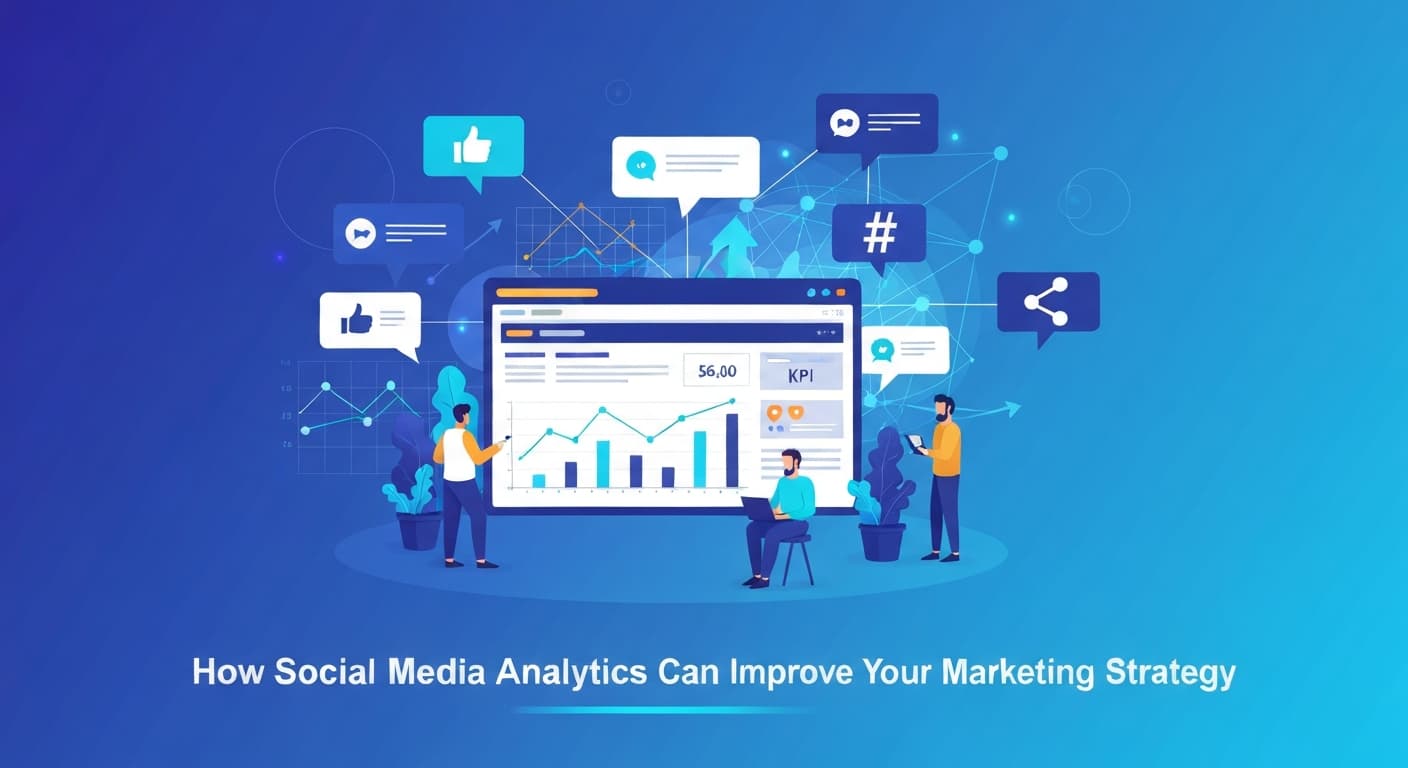
You publish daily. You respond to comments. You even boost posts. But you still don’t know what’s working. Or worse, you assume something performs based on likes without checking the numbers. Most marketers face the same issue: running campaigns without real-time feedback. That guesswork wastes time and budget. It also leads to missed growth opportunities.
If you’re already using a social media scheduler, but not tracking analytics consistently, you’re only solving half the problem. Content without measurement lacks direction. This article explains how Social Media Analytics work together with a social media scheduling tool to sharpen your strategy, improve results, and keep you informed, every step of the way.
Use Data to Stop Repeating Ineffective Content
You may think a post performed well because it received a lot of likes. But likes don’t always drive conversions or clicks. That’s where analytics separates emotion from actual impact.
A reliable social media scheduler pulls performance data automatically. It gives you metrics like reach, click-through rate, and conversion stats to know which posts influenced real action and which ones simply looked good.
Reviewing data weekly helps you spot weak content types. Instead of guessing, you remove what doesn’t work and double down on formats that produce results. The guesswork disappears. Your campaigns become sharper with each cycle.
Compare Campaigns Across Different Platforms
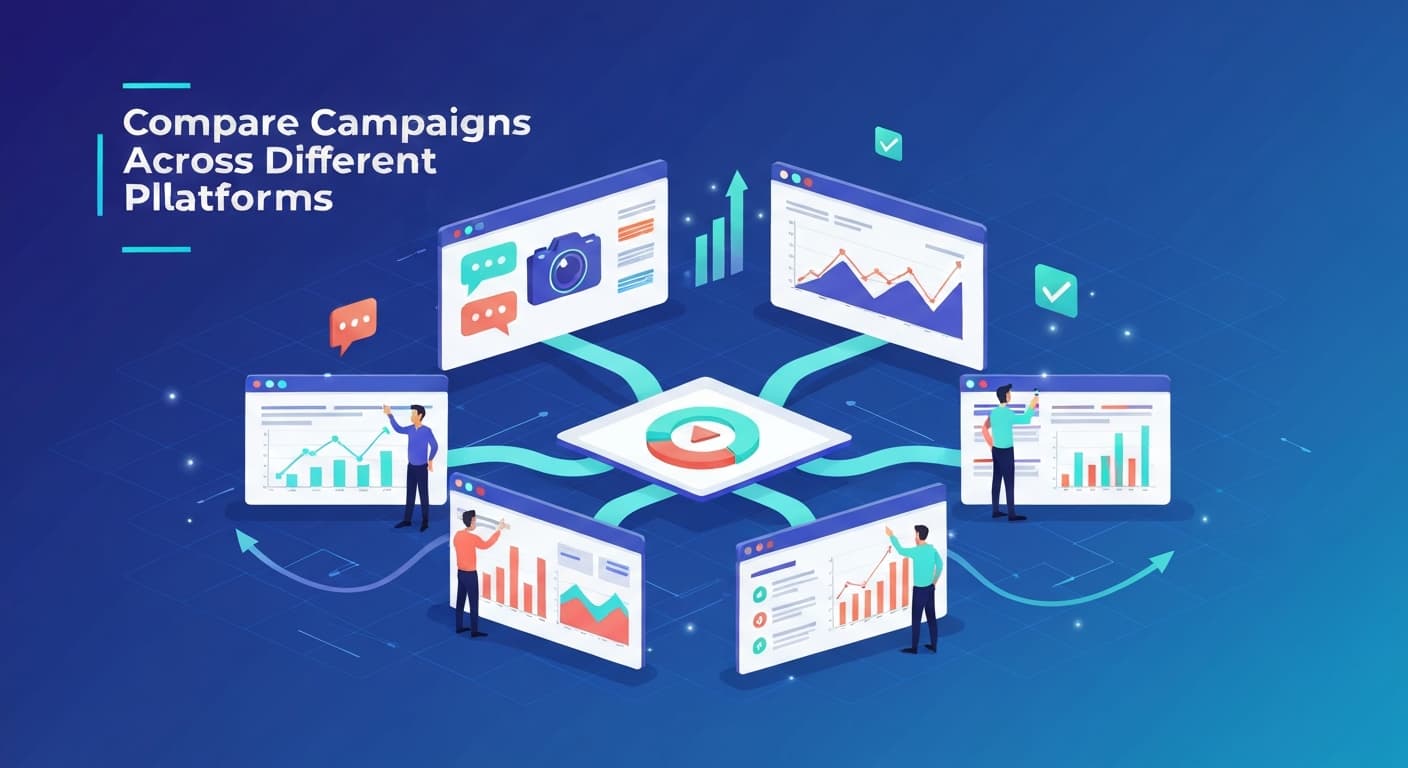
Not every platform behaves the same. LinkedIn responds to long captions. Instagram favors visuals. Twitter works well for real-time updates. But you can’t adjust if you don’t track how each performs.
When paired with a social media scheduling tool, social media analytics tools allow you to compare campaigns in one place. You see which platforms bring traffic. You see where engagement drops. And you can discover which platform deserves more budget.
You no longer waste time copying and pasting results from different dashboards. Instead, you manage campaigns by results, not assumptions, and reallocate effort based on true return, not popularity.
Track the Impact of Scheduling Patterns
Posting every morning works best. But the data could say otherwise. Without analytics, even your social media scheduler becomes a manual tool, not a smart system.
When you review performance based on posting time, you learn when your audience actually engages. Analytics show patterns—time blocks, days of the week, or content formats that get attention.
Once you match those patterns with your social media scheduling tool, your entire calendar becomes strategic. You post less often but gain more traction. You hit the right people at the right time—because the data told you how to.
Understand Audience Behavior with More Precision

Analytics do more than track performance—they tell you who interacts with your content and how. Demographics, behaviors, location, and device types all matter when optimizing your message.
By integrating these insights with your social media scheduler, you segment content by what works for specific groups. You no longer use the same post for everyone. You tailor content for target audiences based on what they’ve already engaged with.
This level of targeting helps you increase retention, build better lead funnels, and create campaigns that are more aligned with your marketing goals.
Measure Real ROI With Custom Goals
Analytics aren’t only for engagement. They also help you track actual returns—sales, signups, downloads, or other actions that matter to your bottom line.
Your social media scheduling tool should support custom goal tracking. You assign a goal to each campaign. Then, your scheduler and analytics together show which post contributed to which business outcome.
That removes confusion during reporting. You no longer struggle to explain value to leadership or clients. You have numbers tied directly to goals. You manage content by how it supports growth—not just how it looks on a feed.
Improve Team Collaboration Through Shared Insights

Marketing teams thrive when everyone is aligned, but too often, content creation, scheduling, and performance tracking happen in isolation. Integrating analytics directly into your scheduling tool changes that dynamic, creating a single source of truth and empowering every team member to make informed decisions.
- Content writers gain visibility into which posts resonate most, allowing them to tailor future content for better engagement.
- Strategists uncover trends and opportunities in real time, refining campaigns based on actual performance.
- Editors and managers plan smarter, using data-driven feedback instead of guesswork to guide the content calendar.
- The team avoids redundancy, stays focused on what works, and moves forward with shared goals and greater impact.
Conclusion: Let Data Guide Your Next Campaign
Running content without analytics is like launching ads without tracking conversions. You might feel busy, but you won’t move forward. Using a social media scheduler makes content management easier. But analytics turn it into a strategy.
Your scheduler becomes more than a calendar. It becomes a system built on evidence. You track what matters. You adjust what doesn’t. And you build content that aligns with actual performance, not guesswork.
When paired with data, your tools don’t just save time. They direct energy. They protect budgets. And they lead your team with confidence instead of assumptions.
FAQs
How do analytics improve the use of a social media scheduler?
They identify what’s working. You adjust posts and times based on performance, not assumptions, making your scheduler smarter.
Can I compare results from different platforms in one place?
Yes. Most tools collect multi-platform metrics so you can review campaign results side by side in a single dashboard.
What’s the benefit of connecting goals to posts?
It helps you see which content drives actual results like leads or purchases, not just likes or impressions.
Does every social media scheduling tool include analytics?
Not all. Choose one that combines scheduling and data to avoid switching between platforms or relying on manual reports.
Will this help with client reporting?
Definitely. You can export performance summaries tied to business outcomes, giving clients a clear view of what worked.