
Securing a unique .com domain should be your first step when building a memorable online presence. A distinctive domain name instantly sets your business apart and creates a lasting impression, laying the foundation for brand recognition and long-term success. This post shares strategies to enhance the quality of your decision-making.
How to Choose the Perfect .com Domain Name for Long-Term Success
1. Understanding the Value of Keywords
Keywords help visitors and search engines understand what your website is about. When your domain already receives traffic and closely matches a target phrase, it can support better rankings and make the name more memorable. For long-term visibility, choosing a keyword-relevant domain can have a meaningful impact.
Why Keywords Matter
Choosing the right keywords helps people and search engines quickly understand what your website is about. When your domain closely matches what your ideal visitors search for, it naturally improves visibility and recall. Using main keywords makes your site easier to find and more accessible to future clients.
2. Considering Brand Consistency
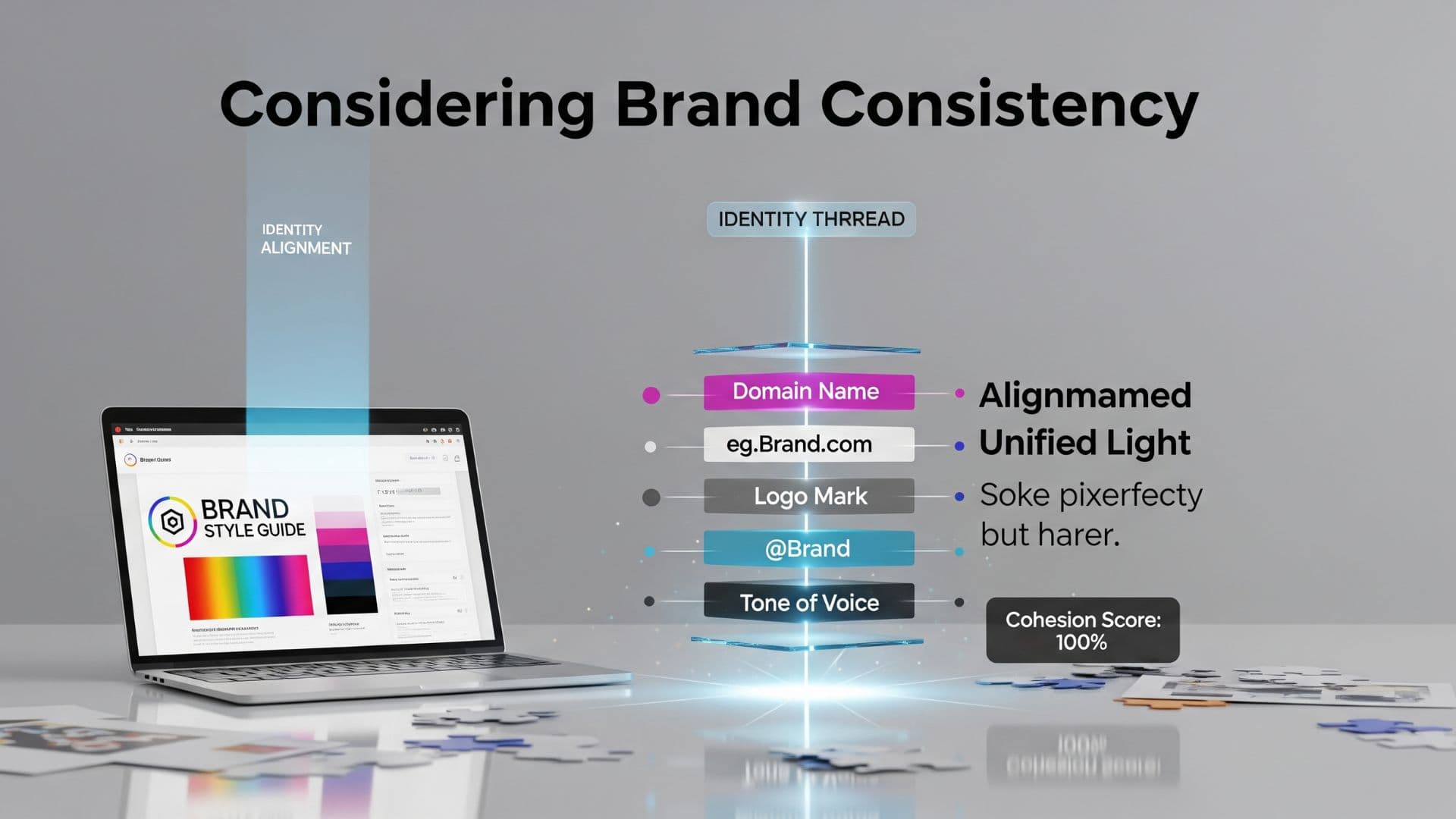
The domain must align with your existing branding. Connecting across platforms builds trust. Domain names that match the business name, product lines, or social media handles further bolster familiarity. Securing the right .com domain registration makes it easier for potential clients to find a site if the relevant words are in the web address.
Especially with a keyword approach, you get two chances for local exposure and brand awareness. Many people actively seek ideas according to their niche and audience.
3. Combining Words Creatively
To make your domain unique, try creatively combining original terms with verbs, adjectives, or place names. For example, a bakery might use “sweets” and “treats,” or a business targeting a city could include that location in the domain. Adding descriptive terms or your city increases the chances your .com domain is available and captures local interest, all while keeping your web address memorable and relevant.
4. Using Short and Simple Structures
Shorter domain names are easier to remember and type. Ideally, names should be under 15 characters. Avoid complex spellings or double letters that may confuse visitors. Fewer steps reduce errors and improve user experience. Short names also look better in marketing materials and on social media.
5. Checking Availability and Alternatives
After narrowing down ideas, check which .com domains remain unregistered using online tools. If your first choice isn’t available, try adding a brief descriptive word while keeping the name simple and relevant.
6. Avoiding Numbers and Special Characters
Avoid using numbers or dashes, as they make domains harder to remember and can confuse visitors. Most users expect simple, letter-only web addresses, so sticking to this format improves clarity and professionalism.
7. Brainstorming Relevant Terms
Start with a few keywords related to your business or project. Think about what people would search for to find content like yours. Combine related words to create meaningful domain ideas.
8. Thinking About Future Growth
Your domain should support future expansion. Avoid names that limit your product or service potential. Choose words that represent long-term goals to prevent rebranding later.
9. Seeking Feedback Before Registering
Share your potential domain names with friends or colleagues for honest feedback. A fresh perspective can reveal strengths, weaknesses, or confusing meanings you might overlook.
10. Staying Aware of Trademarks
Ensure your chosen domain does not infringe on existing trademarks. Performing a trademark search helps avoid legal issues and protects your brand.
Also Read: How Domain Authority Shapes Your Sales Funnel Without You Even Noticing
Why You Should Do a Trademark Search

A trademark search confirms that your ideal domain name doesn’t conflict with existing brands. By checking registered and in-use trademarks, you can avoid disputes, forced rebrands, and costly changes.
How to Do a Trademark Search
- List Desired Names & Variations: Include all possible spellings and alternatives.
- Check Official Trademark Databases: Search USPTO, WIPO, or your country’s trademark office.
- Search All Variations: Test each version for existing trademarks.
- Review Results: Avoid names that are identical or confusingly similar.
- Check for Unregistered Trademarks: Do web and social searches.
- Save Your Search Records: Keep notes as proof of due diligence.
These steps help ensure your domain is legally safe and your brand is protected.
Conclusion
Choosing a keyword-relevant yet natural domain takes creativity and foresight. The right name strengthens branding, improves search visibility, and builds a solid foundation for long-term success online.