Basic consideration is a key aptitude. It makes a difference if individuals analyze data coherently. Critical thinking exercises make a difference when considering diverse perspectives, handling intense issues, and making great choices. Consider workouts to be exercises aimed at boosting your aptitudes. They challenge your intellect and advance more profound reflection.
This article looks at the basic considerations and works out. It covers their nature, significance, sorts, and how to actualize them. You’ll discover nitty-gritty cases and bits of knowledge for learners, teachers, and professionals.
What are Critical Thinking Exercises?
Critical thinking involves assignments outlined to help individuals think more fundamentally. These work out centers on analyzing unused data, addressing presumptions, utilizing consistent thinking, and investigating options. Key characteristics of successful basic consideration workouts include:
- Presenting unused or challenging data to invigorate mental engagement.
- Incorporating changing levels of trouble to keep up cognitive flexibility.
- Offering an assortment to dodge cognitive stagnation and energize adjustment.
- Be repeatable for regular practice and skill reinforcement.
These include examination, union, evaluation, problem-solving, and innovativeness. These capacities are essential in school, work, and everyday life.
Importance of Critical Thinking Exercises
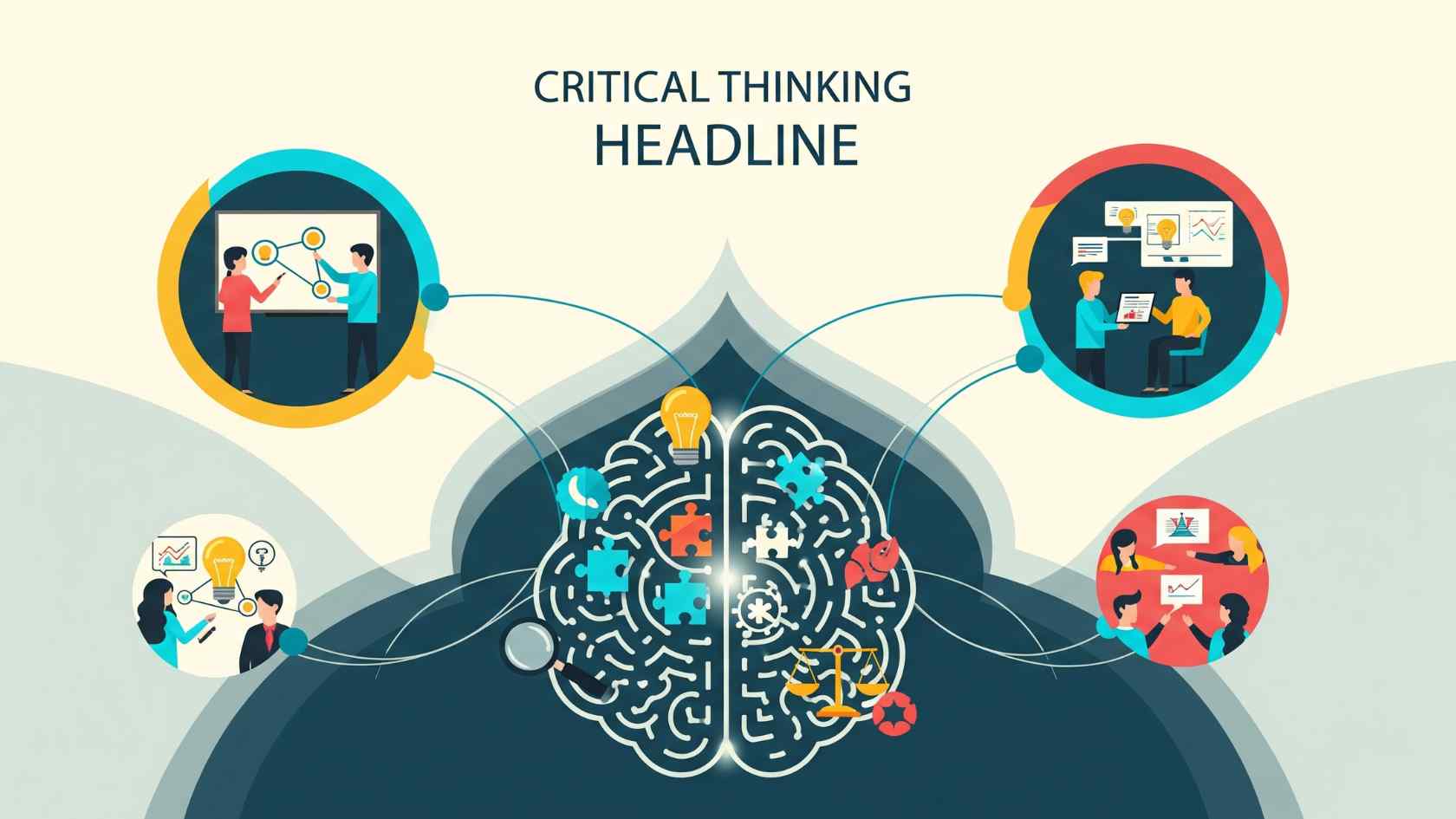
Critical thinking is foundational to educational victory, capable competence, and taught citizenship. Works out as planned to improve basics, considering contributing to:
- Improved problem-solving capabilities by empowering examination of all conceivable outcomes.
- Enhanced decision-making aptitudes with an understanding of basic presumptions and biases.
- Greater capacity to communicate thoughts clearly and contend logically.
- Preparedness to confront complex real-world challenges with confidence.
Adding basic considerations, working out in school, makes a difference, boosts students’ aptitudes, and engagement.
Core Cognitive Abilities
Basic critical thinking exercises work specifically to reinforce the way you prepare data and unravel problems.

1. Better Choices
Practicing investigation makes a difference, as you weigh pros and cons more effectively. You can expect results and make choices based on proof. This leads to more solid and successful outcomes.
2. Enhanced Problem-Solving Abilities
Exercises like the “Five Whys“ offer assistance to help you burrow more deeply. They let you discover root causes, not just surface issues. This makes a difference when you make arrangements that are not fair, speedy fixes. They provide long-term and feasible solutions to complex problems.
3. Better Comprehension and Investigation
Critical thinking: considering that preparation makes a difference, you studied reports or observed the news more thoroughly. It moves forward your abilities to break down complex information, spot fundamental contentions, and see how thoughts connect.
4. Boosted Inventiveness and Development:
Avoiding inflexibility opens you up to current ideas. As in the Devil’s Advocate exercise, addressing suspicions can guide modern and incredible arrangements. Without this technique, we might forget incredible ideas.
5. Practical and Proficient Benefits
These abilities matter in school and work. They can boost your victory and offer assistance in your career development. Steady engagement with these basic considerations yields various benefits:
- Enhances mental creativity and agility.
- Improving the ability to solve problems creatively and innovatively.
- Fostering certainty in making choices and shaping opinions.
- Prepare for a rapidly changing world and for long-lasting learning and adaptability.
6. Stronger Argumentation and Communication
Practicing dispute mapping and spotting mistakes lets you express your views clearly and defend them viably. You can express your contemplations clearly and obviously. Reasonable makes it past any question to back them up with strong proof.
7. Increased Freedom and Self-Direction
Basic considering lets you collect, evaluate, and blend information independently. This suggests you don’t have to depend on others’ pros. This develops mental independence, coming about in a proactive learner and worker.
8. Effective Inclination Acknowledgment
Works like the Test of Conclusion can help you distinguish your cognitive inclinations and explore simple courses. Recognizing these can assist in altering your thinking right away. This leads to more engaging and objective conclusions.
9. Adaptability and Resilience
Seeing a situation through specific lenses, such as role-playing or asking questions, creates a difference in that you are more adaptable. If a course of action fails, immediately re-evaluate and change your strategy. Don’t let the trouble paralyze you.
15 Best Critical Thinking Exercises
Critical thinking activities are essential for sharpening the mind’s capacity to analyze, evaluate, and synthesize knowledge effectively. Below are 15 vital thinking activities designed for various settings and age levels. These exercises include elements from examples of critical thinking, critical thinking activities, and exercises for adults and students, and they provide beneficial information on how to improve critical thinking.
1. The “Five Whys” Strategy
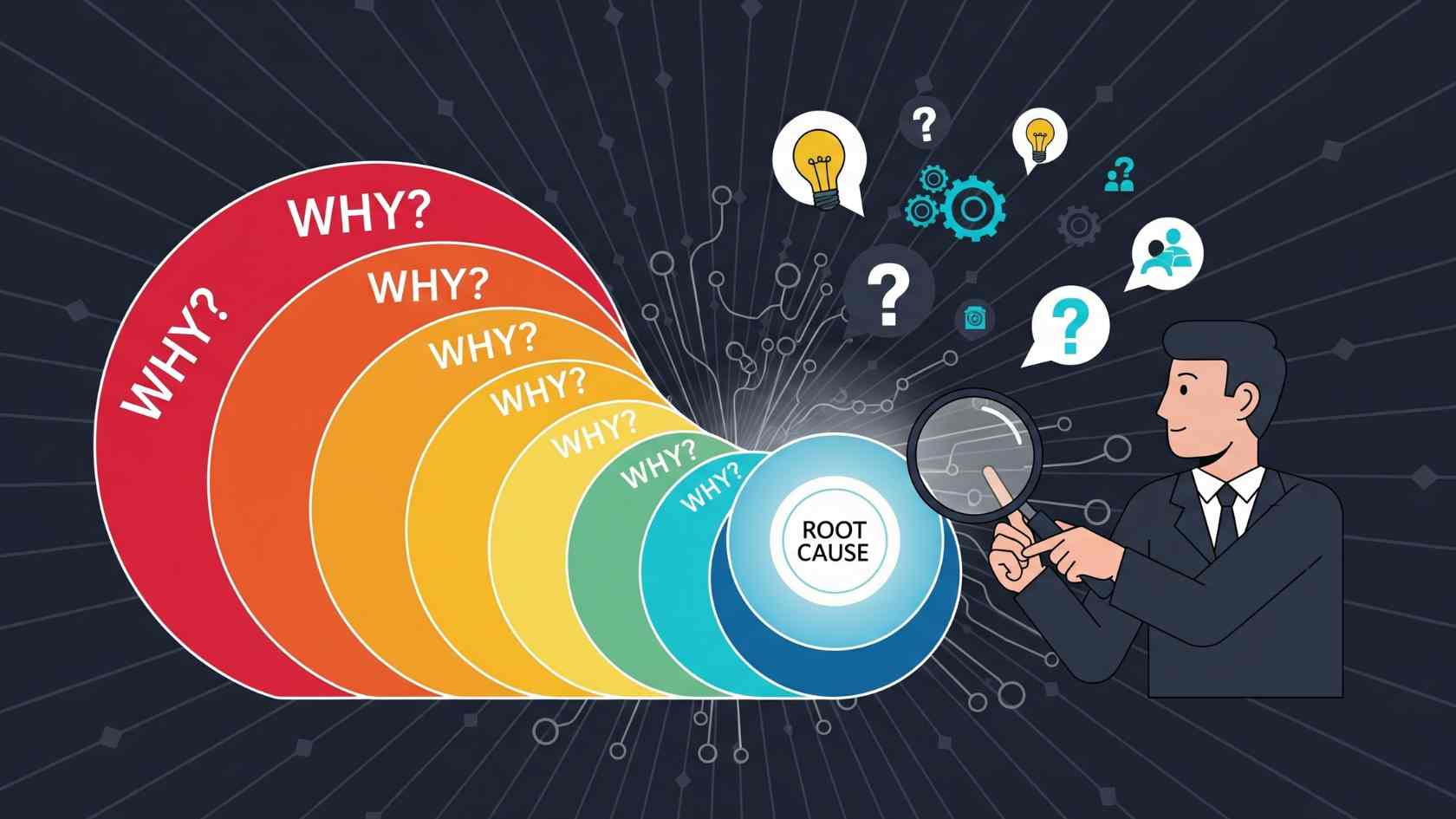
This is an addressing strategy. It makes a difference to reveal the cause-and-effect connections behind a particular issue. When a problem emerges, you repeatedly inquire, “Why?” Until you determine the root cause, not the symptoms.
For example, if a machine stops, you inquire, “Why did it halt?” The response appears to be the focus of another “Why?” Repeat this preparation approximately five times. This makes a difference; you can see deeper issues rather than just the surface. You’ll find the fundamental imperfection in a process or framework, leading to an enduring solution.
2. Work In Reverse From The Objective (Reversal)
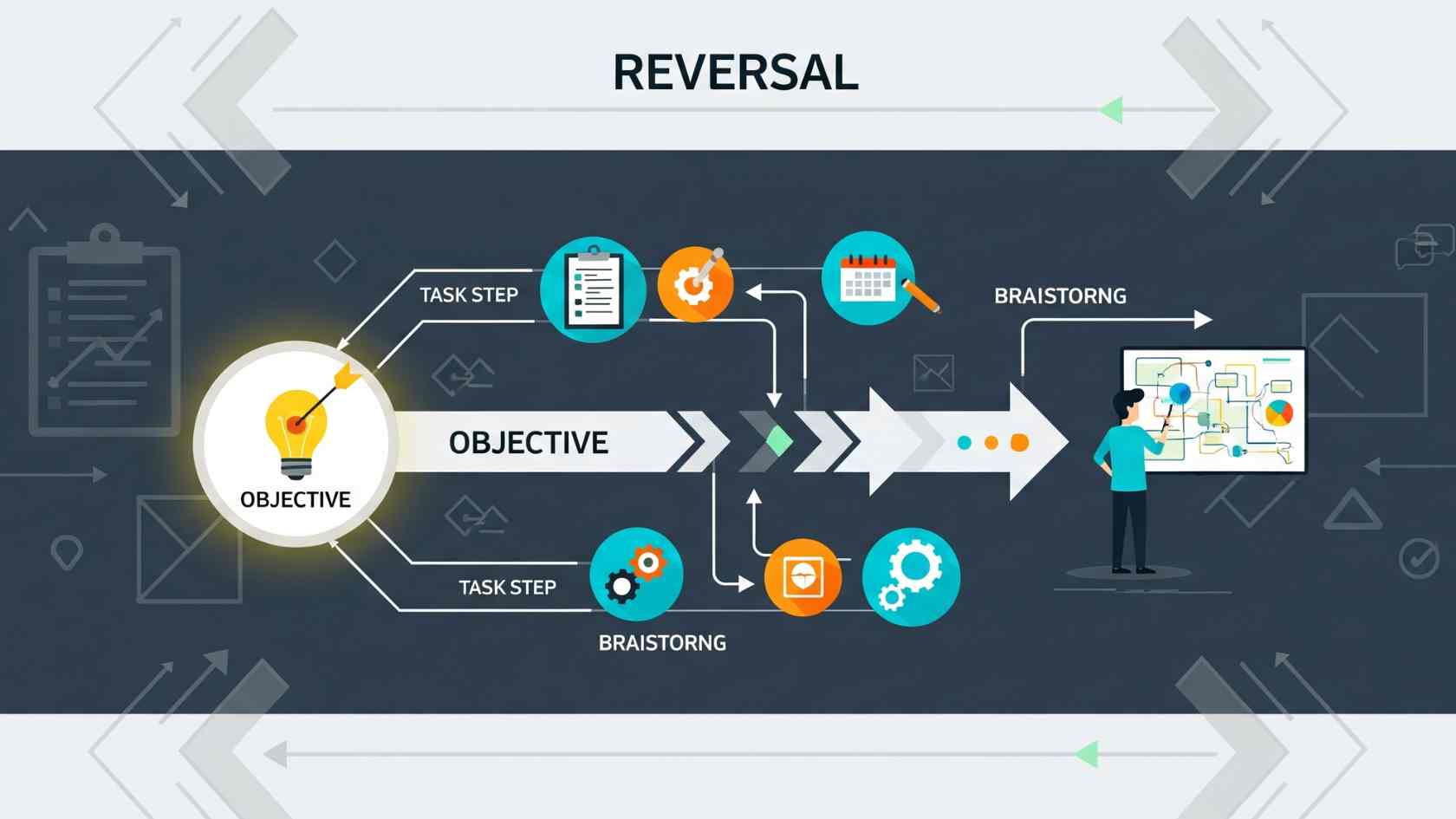
This key workout begins with your expected result or objective and arranges the fundamental steps in reverse order.
Instead of diving into a major issue, pause and ask, “What had to happen first?” Think, “What had to happen sometime recently for that?” Working in reverse appears to cover up connections. Keeping a strategic distance from getting caught up in rational thinking makes a difference. This approach is incredible for complex, long-term projects.
3. Define The Issue
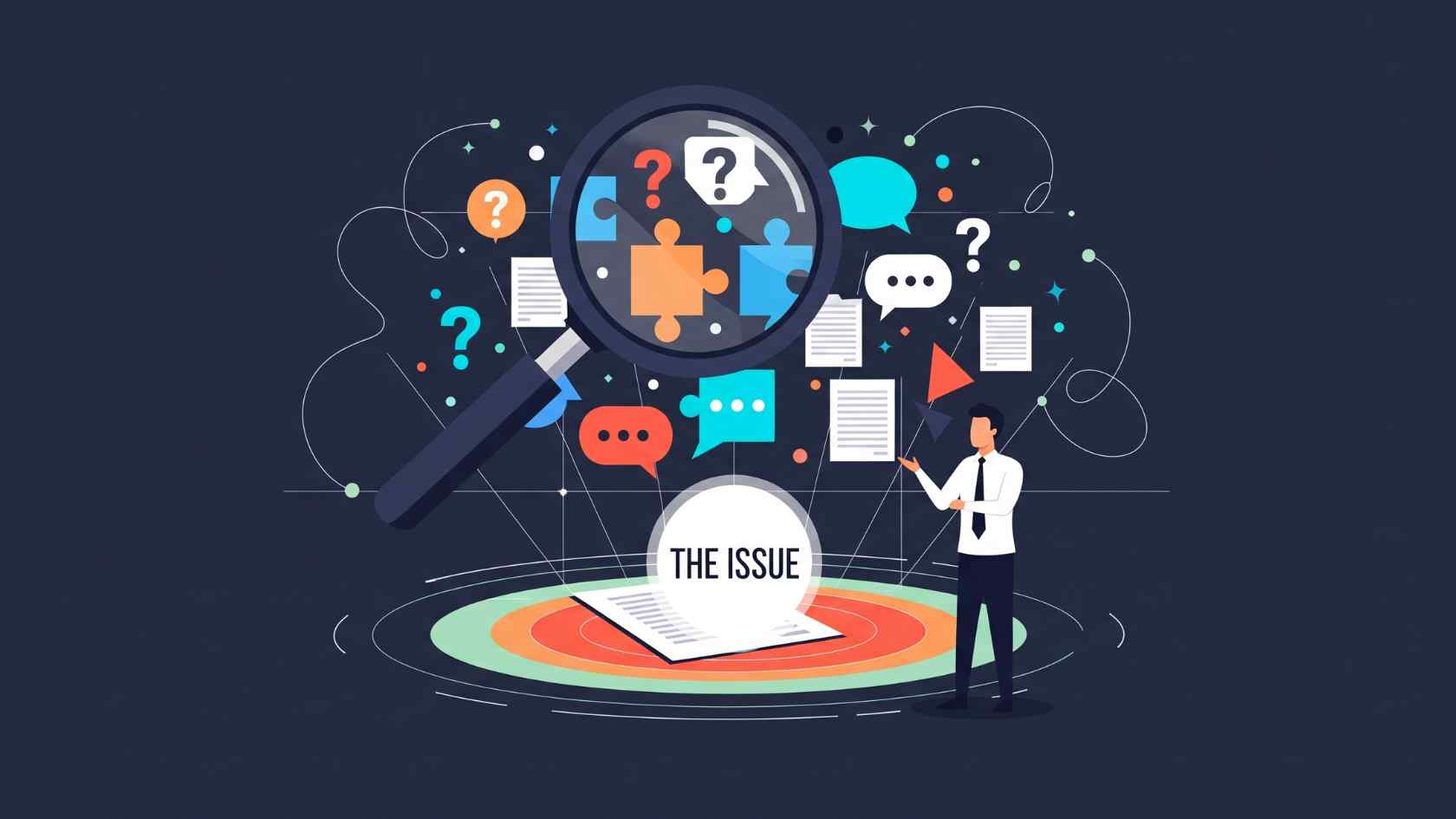
Before attempting a solution, dedicate time to strictly defining the challenge. This involves eliminating assumptions and stating the problem clearly and objectively. A supportive test is to clarify the issue to someone new to the setting. If you can’t predict it, you don’t really understand it. This workout makes a difference when you center on the genuine issue, not a misdiagnosed sign. This takes up your time and effort.
4. Case Thoughts and Moral Predicaments

Engage with complex, real-world, or anecdotal scenarios that require a straightforward reply. This works out to asking to see all the variables. You need to weigh diverse values and consider each alternative’s results. Basic consideration makes a difference in spotting trade-offs. It also legitimizes our choices with proof and clear thinking. This one hones your decision-making under pressure and powers you to stand up to uncertainty.
5. Logic and Strategy Games

Recreations like chess, Sudoku, and astounds boost vital, spatial, and prescient thinking. You need to think a few steps ahead. Expect what each move may cause. At that point, alter your arrangement as things change. This mental workout makes a difference when you spot designs, prepare data at once, and make savvy choices. These abilities apply specifically to fathoming issues in both work and life.
6. Socratic Addressing

This method employs restraint, examining questions to challenge convictions, test the coherence of thoughts, and reveal basic presumptions. You direct the conversation in the midst of fairly sharing data. Ask questions like:
“What evidence supports this claim?”
“How does this compare to another viewpoint?”
The goal isn’t to win an argument. It’s about building humility and understanding the topic better.
7. Fact vs. Opinion Segregation
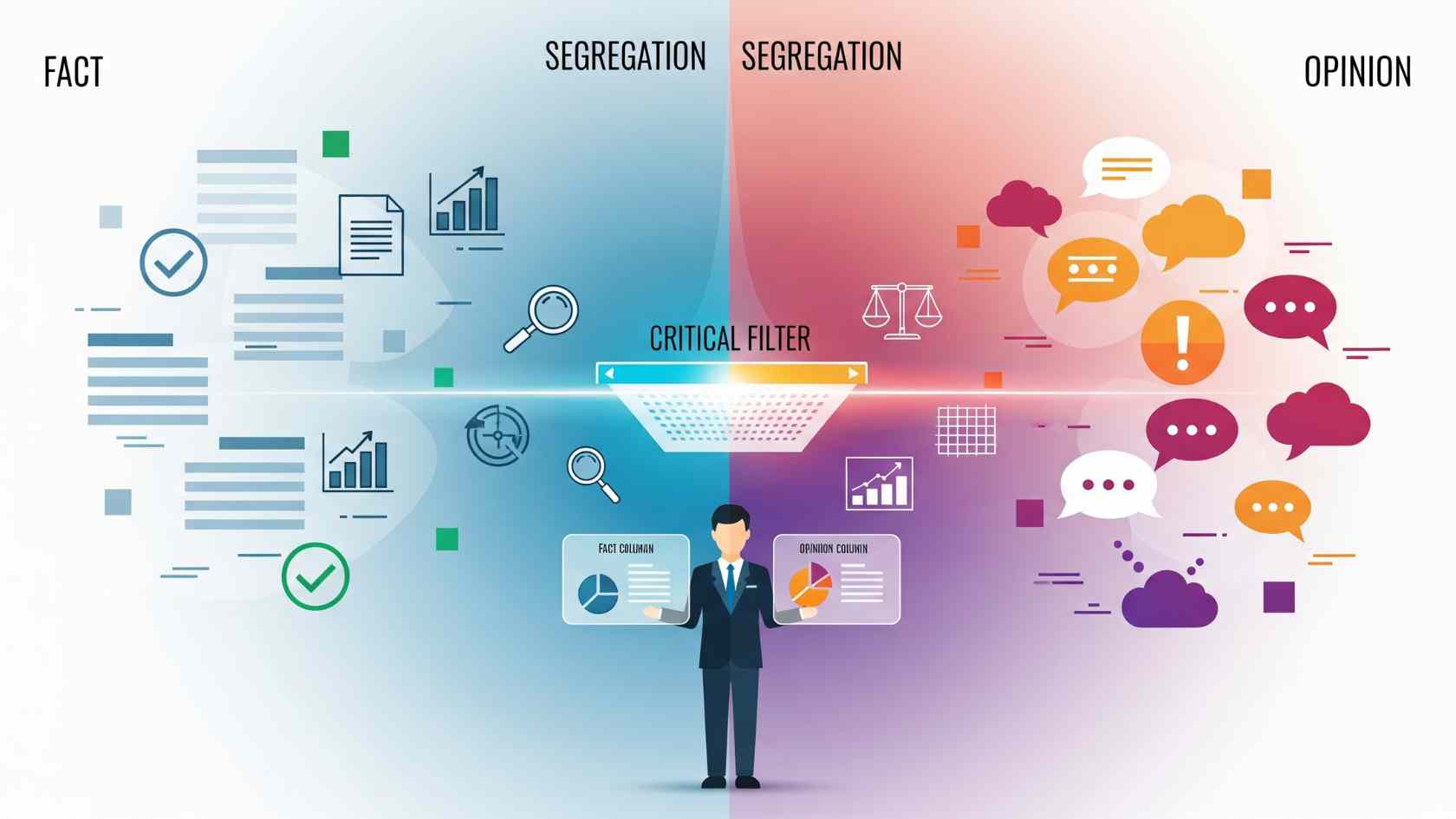
This workout requires you to audit a piece of communication, like a news article, discourse, or report. At that point, classify each explanation. Realities can be checked or measured. Conclusions come from convictions, judgments, or sentiments. Practicing this makes a difference; you isolate unquestionable data from enticing dialect. This sharpens your skill to judge a source’s validity. It helps you avoid taking a speaker’s beliefs as fact. This is key to critical media literacy.
8. Argument Mapping
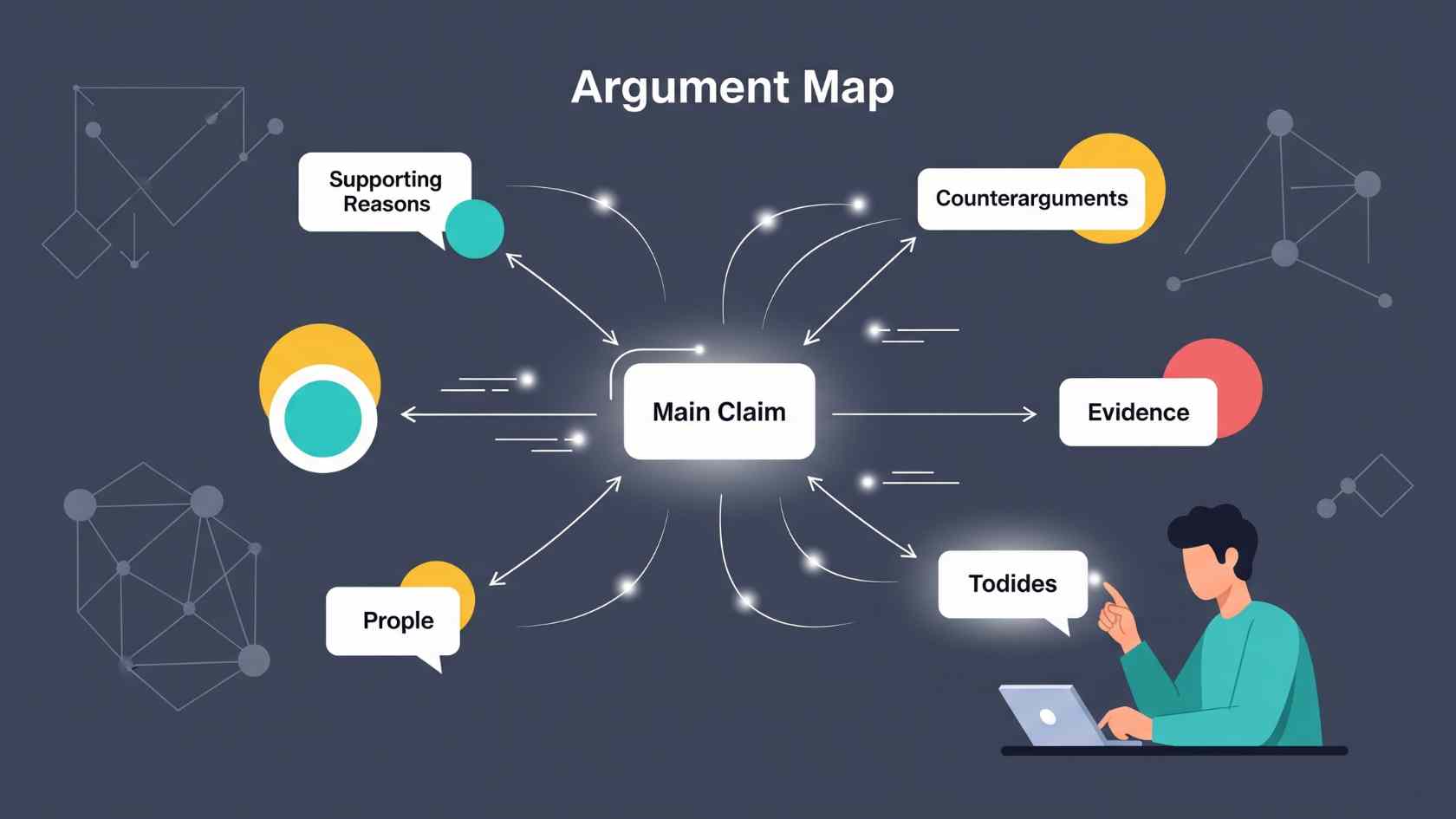
This is a visual deconstruction of the contention into its crucial components. Make a chart that shows the fundamental conclusion, supporting reasons, and the coherent associations between them. This preparation clears up the argument’s structure. It makes a difference that you more effortlessly discover irregularities, insignificant subtle elements, or powerless premises. It’s an incredible way to check your claim thinking and the contentions of others.
9. Memorize and Recognize Coherent False Notions

A consistent paradox is a botch in thinking. It can make a contention frail or invalid if the conclusion appears adjusted. Recognizing common false notions makes a difference, as you discover imperfect thinking quickly. For illustration, Advertisement Hominem assaults the individual, whereas Straw Man distorts a contention. This one makes a difference in that you dodge making these botches. It lets you spot manipulative or defective talk in media, legislative issues, and everyday discussions.
10. Critical Reading
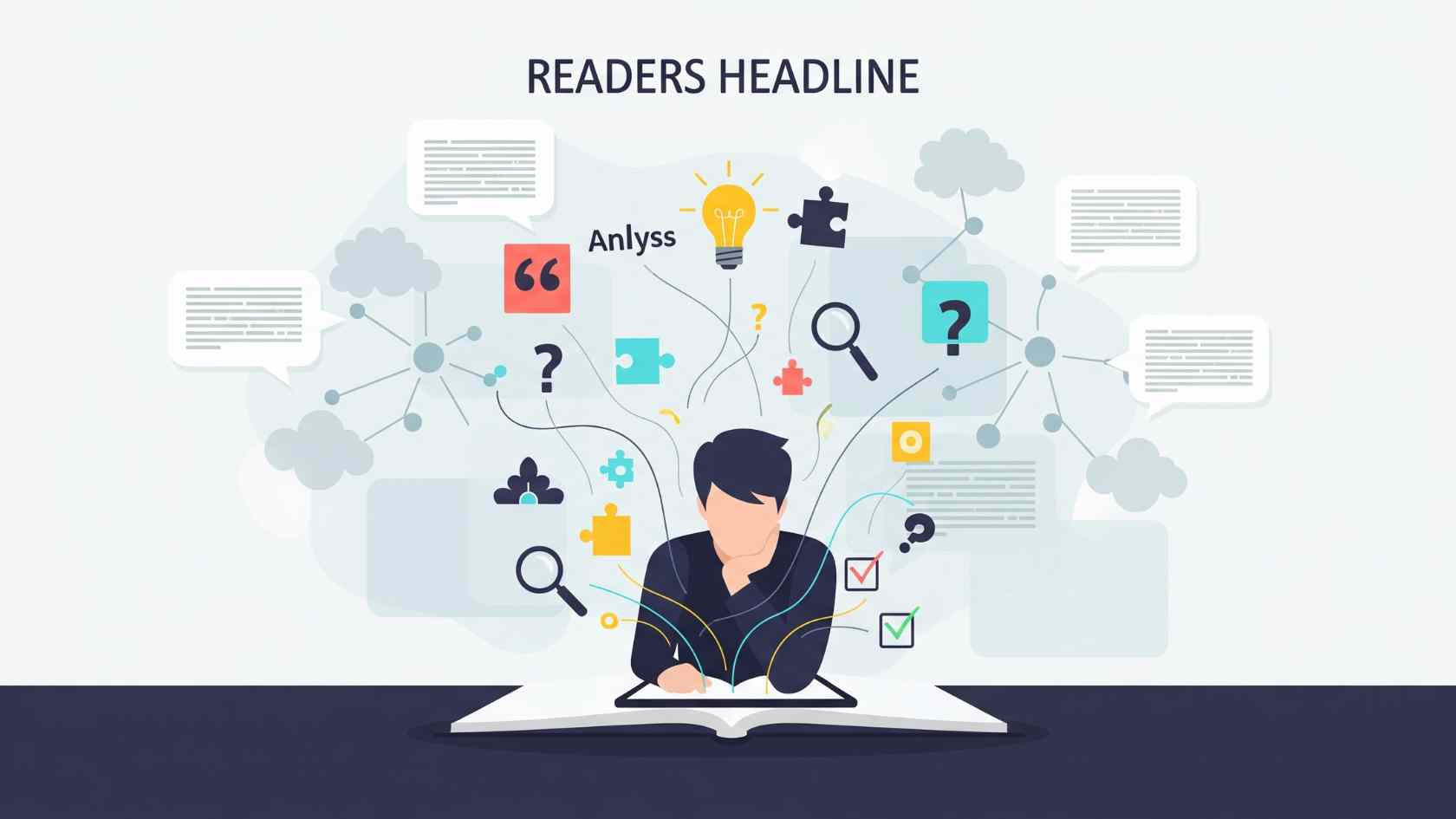
This is more than just understanding. It means engaging with a text to analyze its quality and purpose. While reading, you should question the author’s bias. Also, evaluate how strong their evidence is. Look for any hidden assumptions, too. This needs notating, summarizing, and preparing counter-arguments. Treat the text as data to consider, not as truth to accept. This helps you develop a doubtful and analytical mindset.
Also Read: Your Topics | Multiple Stories: The Art and Power of Writing
11. Play the Devil’s Advocate

This exercise asks you to argue against your own beliefs or the common view, just for the sake of discussion. The goal is to thoroughly test the main viewpoint. This involves predicting and clearly stating the strongest objections. This practice helps you face flaws in your reasoning. It enables you to develop a stronger, more balanced viewpoint. Plus, it encourages flexible thinking.
12. The Ladder of Inference
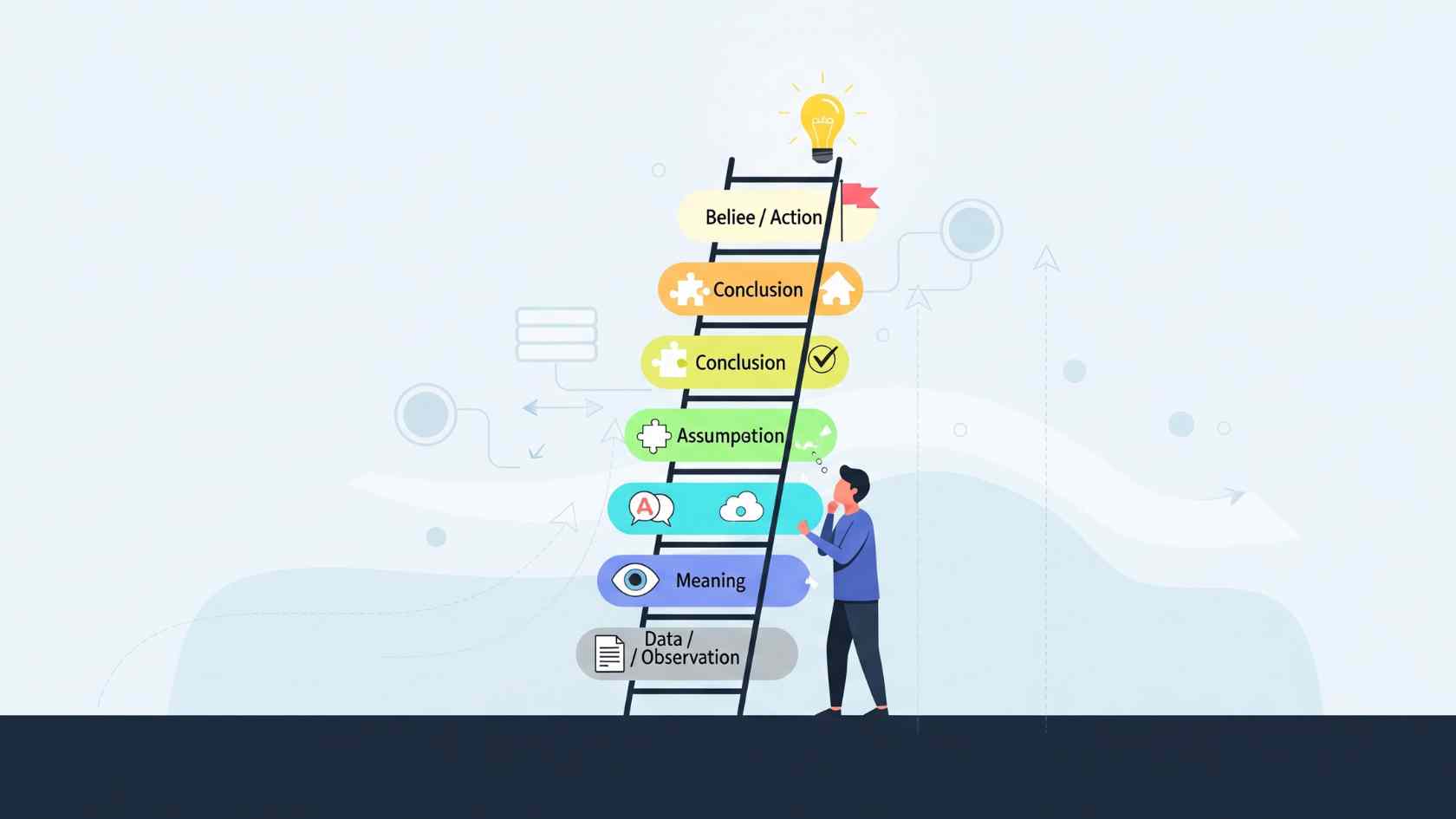
Chris Argyris created this model. It shows the mental steps we take from observation to action. It pushes you to think about how you choose data. Then, you add meaning, make assumptions, draw conclusions, and form beliefs. Walking down the “ladder,” you see where you jump to conclusions. This helps you question your automatic thoughts. You can then base your judgments on facts, not just mental shortcuts.
13. Role-Playing Scenarios
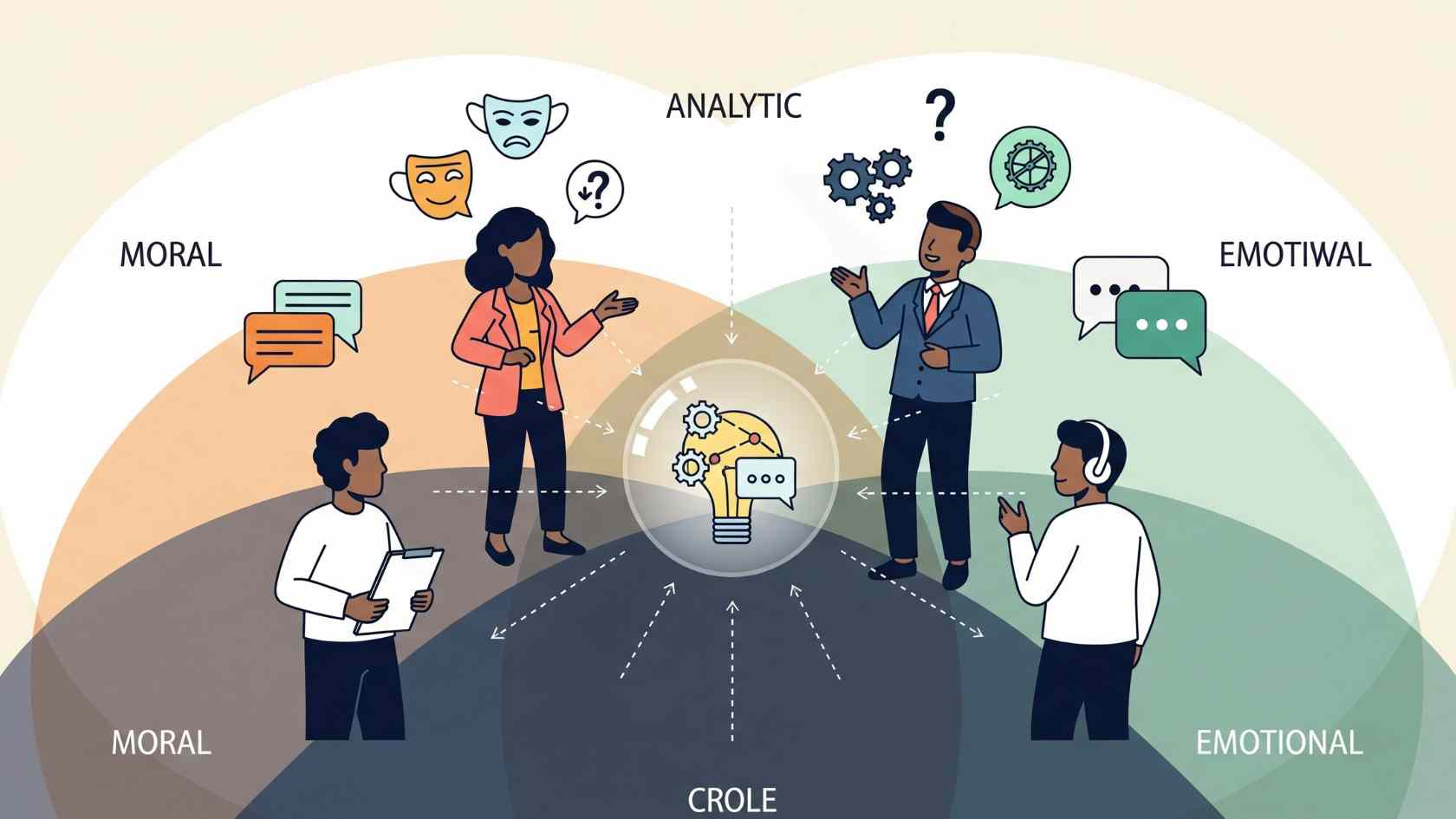
When you take on somebody else’s part, particularly if they have a diverse foundation or abilities, try to see things from their point of view. This workout is priceless for creating sympathy and explanatory adaptability. Role-playing as a negotiator or customer helps you see motivations and limits. This practice enables you to make better decisions. It also improves communication at work and in social situations.
14. Mind Mapping/Concept Visualization
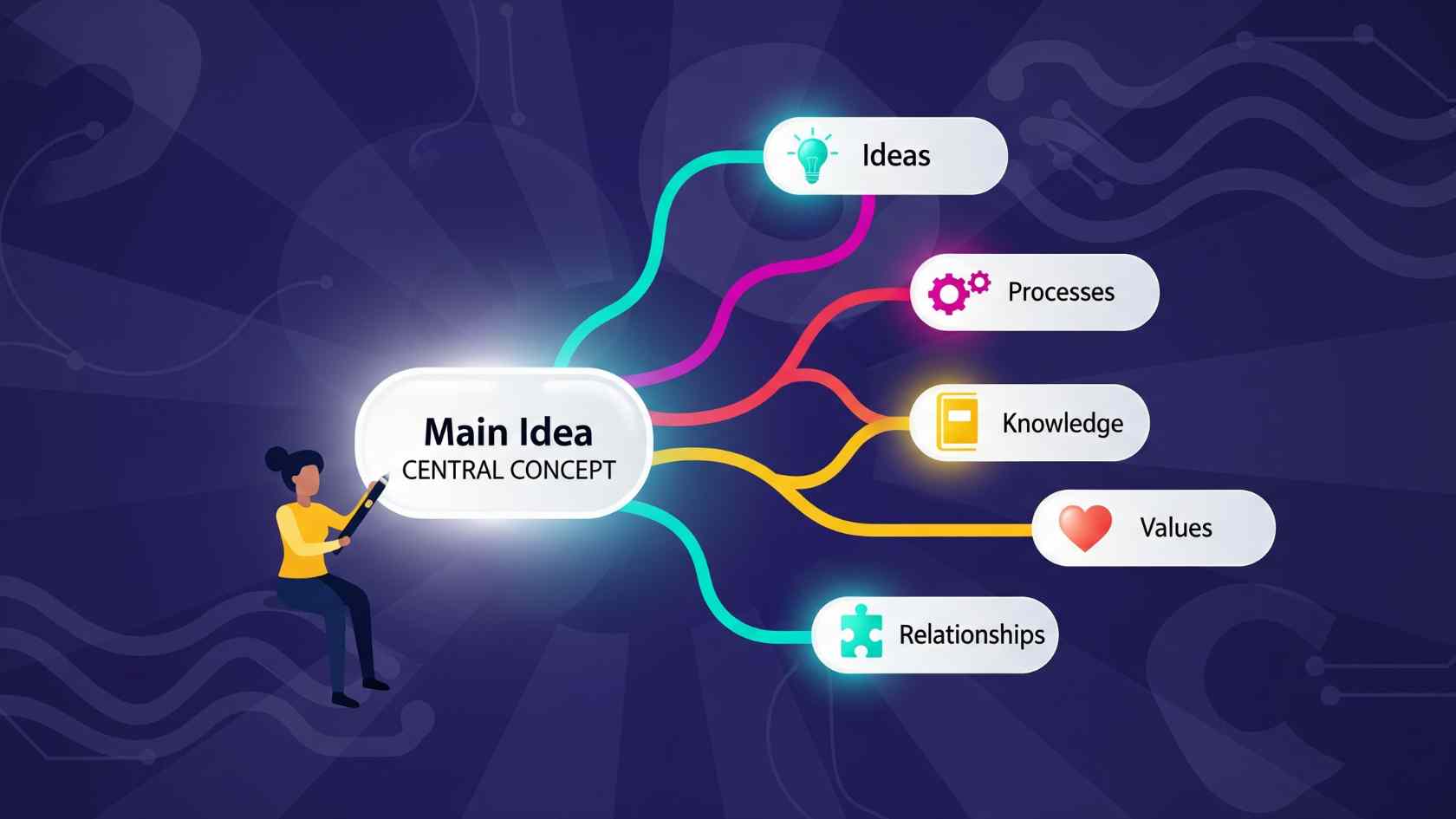
This visual exercise begins with a main idea. Then, it branches out to related thoughts, questions, and evidence. Unlike a linear outline, it represents the hierarchical relationships and connections between thoughts. This process helps with critical thinking. It lets you spot missing information and organize complex data. The visual layout also stimulates holistic thinking. It often reveals connections that notes might hide.
15. Explain a Complex Concept to a Five-Year-Old

This exercise checks how well you understand a complex topic. You need to rearrange it while keeping it exact. If you can’t clarify a complex thought in straightforward terms, your understanding might be shallow or full of language. To accomplish clear communication, you must ace the center standards. This way, you can build your reasoning from the basics and connect with any audience.
Implementing Critical Thinking Activities
In Educational Settings
Instructors can consolidate critical thinking activities over subjects by:
- Use content-driven worksheets adjusted to the educational module objectives (Basic Considerations Learning Objects).
- Encouraging gathering work, discourses, and problem-solving tasks to cultivate interaction.
- Designing appraisals that require thinking beyond memorization.
Using inquiry-based instructional strategies can boost engagement. This incorporates analyzing numerous writings, role-playing, and assessing inclinations.
In Professional Development
Organizations can utilize workouts like case studies, commercial simulations, and workshops. These exercises offer assistance in creating authority, decision-making, and imaginative problem-solving aptitudes in employees.
In Individual Growth
Individuals looking to boost basic thinking can hone clarifying concepts, work through issues in reverse, map thoughts outwardly, peruse broadly, and reflect on everyday choices and suspicions.
How AI Tools Can Support Critical Thinking Practice

AI tools can boost critical thinking. They act as smart partners, pushing users to analyze and evaluate information thoroughly. AI platforms can create personalized essential exercises of thinking. It gives real-time feedback and adjusts difficulty based on each person’s progress. This makes learning more effective. AI tools can assess reasoning weaknesses.
They can create custom drills for:
- Deductive logic
- Analytical reasoning
- Problem-solving skills
AI can also help with scaffolded questioning and generating debates. It allows users to think about different viewpoints. They can spot gaps in arguments and improve their reasoning. AI helps users think about their own thinking. It encourages them to reflect on how AI suggestions affect their decisions. AI is a great tool for students and adults. It helps improve critical thinking. It offers structured, interactive, and adaptive activities. These boost analytical abilities and decision-making skills.
Examples of Critical Thinking
Cases of basic consideration can offer assistance in clarifying the objectives of basic consideration exercises:
Questioning Suspicions: Challenging why something is genuine rather than tolerating it at face value.
Evaluating Evidence: Comparing data sources for validity, significance, and bias.
Identify Consistent False Notions: Spot blunders in thinking, like rushed generalizations and untrue causes.
Considering Alternatives: Exploring multiple solutions or explanations before forming a judgment.
Drawing Conclusions: Putting information together clearly and fairly to build strong opinions.
Conclusion
Critical thinking exercises boost mental sharpness, improve problem-solving skills, and sharpen judgment. These exercises work in classrooms and workplaces and are for personal growth. They help people develop an analytical, reflective mindset that welcomes new ideas. Practicing critical thinking is engaging and impactful. Methods like explaining problems, mind mapping, debating, and simulations help. These skills are crucial for success in today’s world.