Choosing a new proxy provider in 2026 may come with its own set of problems right out of the gate. There are numerous sites that require tiresome account validation processes or complicated configuration steps just to get started. If time is of the essence when you’re trying to scrape data from the web, this can certainly be an inefficient use of your resources.
ProxyWing emerges into the scene, offering a promise of revolutionizing the process by completely removing any and all unnecessary actions. In this review, we take an in-depth look at the user interface, latency tests, and setup process to find out whether this is really the case.
First Impressions of the ProxyWing Dashboard
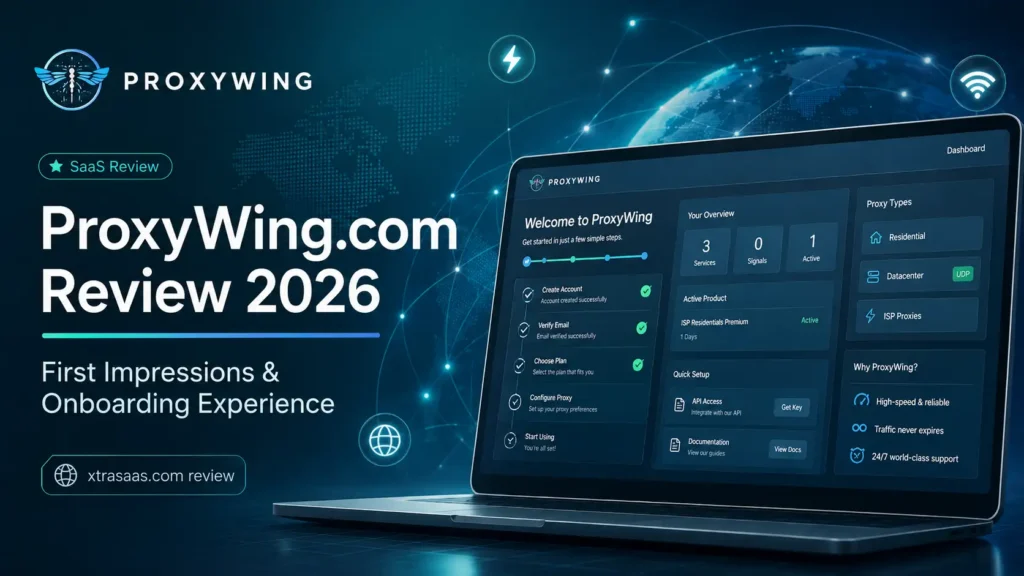
Logging into the dashboard, you find a neat, clean user interface that sharply contrasts with the disorganized interfaces seen in enterprise software products. The developers have made sure that the interface provides users with easy access to the key figures. At the top of the interface, you can see your current subscription plan, remaining data plan, and your rollover bandwidth.
The sidebar on the dashboard has only five tabs: Credentials, API Access, Active Sessions, Billing, and Help. It’s a simple layout that helps prevent users from digging through different nested menus just to find a simple authentication post.
While the performance tracking graphs are a bit simple, they do offer functionality showing real-time data usage without lagging or slowing down your browser. For developers who want to grab their proxy details and get straight to work, this lightweight design saves valuable time and removes unnecessary mental fatigue during setup.
Real-World Speed Tests Across Multiple Locations
A clean interface is great, but real-world performance is what keeps a project running successfully.
Residential Rotator Performance
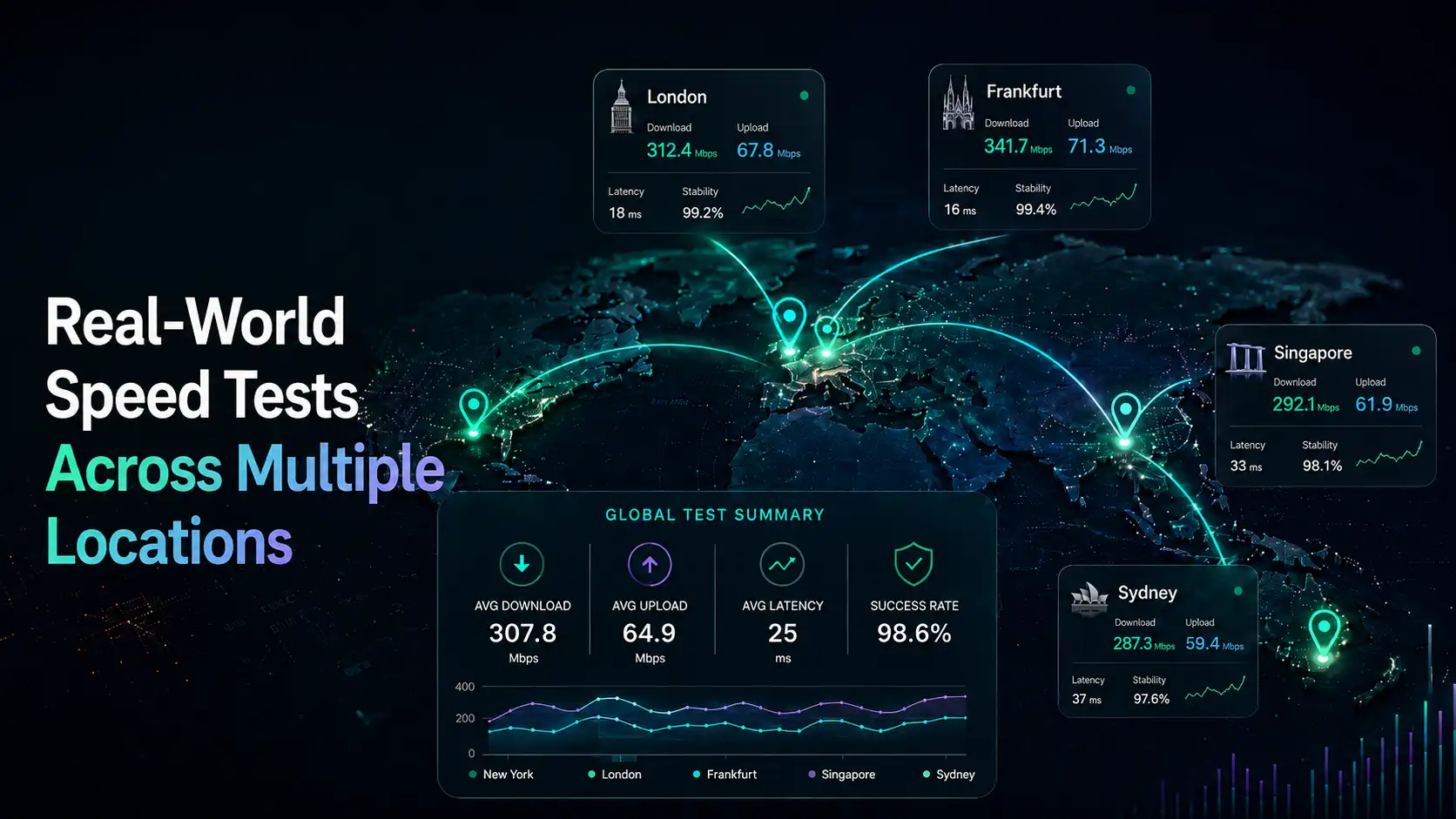
Network speed testing for the ProxyWing servers from different nodes all over the world shows great stability in terms of connections. When tested using their residential proxies in the USA and Western Europe, connection times ranged from 0.5 to 0.55 seconds.
However, on the Asian nodes like Tokyo and Singapore, they showed a slight increase of 0.62 seconds. Thus making it highly competitive.
Multithreaded Performance and ISP Stability
The static ISP proxies using the physical fiber backbone provide excellent average response times of 0.25 seconds. It is worth noting that during all these tests, the most interesting aspect was the performance of Proxy Wing under heavy load conditions.
With more than a hundred scrapers working concurrently, the connection speeds did not change, making sure that the proxy did not suffer from performance bottlenecks that could otherwise have rendered cheaper proxies ineffective. It is therefore highly reliable when you need to do extensive data scraping work, and where connection speeds will influence your success rate.
During multi-hour load spikes, we observed zero dropped connections, confirming that the network maintains a highly consistent route even during periods of peak general traffic.
The Onboarding Experience from Signup to First Request
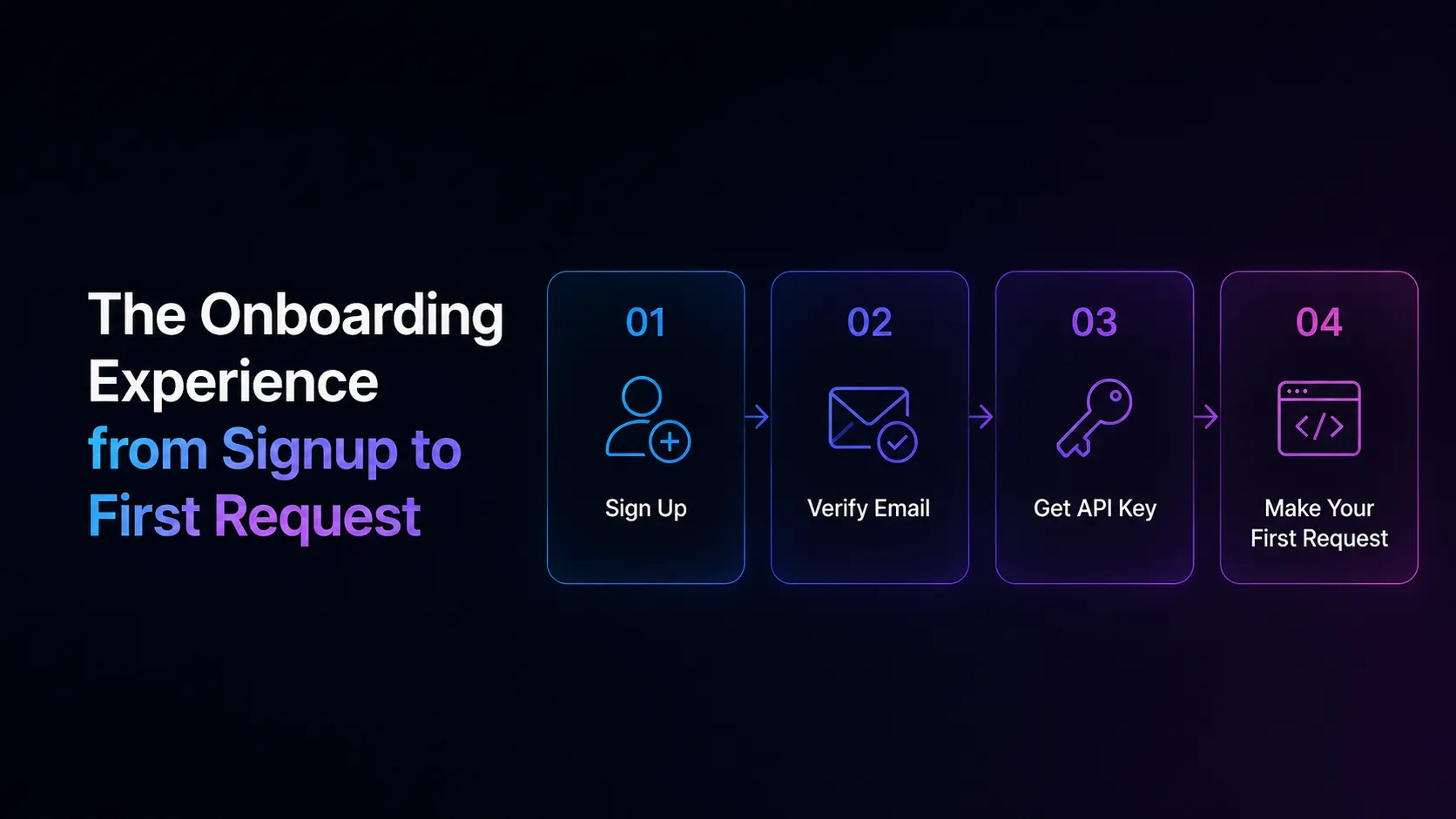
In comparison with other similar networks, where there is often a lengthy corporate verification step prior to allowing you to register your account, the sign-up process for this account is surprisingly very easy.
You only have to provide your email address to register for an account and then set up a simple password that you can immediately verify via email. The setup of the different panels is very user-friendly, as is the ability to log in with either your standard account username and password or via your IP address.
Next, you will choose your desired geographical area, including country, state, and/or city, along with deciding whether you’d like your connection to be set as stick or rotate. Once both of these options are set, the tool will generate a connection string for you on the dashboard. To test this capability, we set up a very basic Python scraping program using the generated credentials.
After making the first attempted connection to a major target site, it successfully returned results in less than four minutes from when we created our account. This fast and easy way to get connected is especially good for independent agencies, developer teams, or small organizations that cannot afford to wait too long for enterprise sales calls.
Documentation Quality and Developer Resources
For developers, the quality of a proxy service’s documentation is often just as important as the network itself. ProxyWing provides a well-organized library of integration examples across popular programming environments.
They offer clean, ready-made code snippets for Python Requests, Scrapy, Node.js Puppeteer, Playwright, and raw cURL commands. This saves you from writing basic connection wrappers from scratch.
Their troubleshooting guide includes an exhaustive directory of error codes, helping you quickly identify whether a failed request is due to a bad authentication setup, an expired balance, or a target website block. Additionally, the guides provide step-by-step setup walkthroughs for popular multi-login profile managers, anti-detect browsers, and major third-party web scraper suites.
The technical documentation is updated regularly, making sure that the code snippets match the current versions of popular scraping libraries. This attention to integration details minimizes the time spent tinkering with syntax errors.
Who Will Get the Most Out of ProxyWing
This service is not designed for giant conglomerates moving hundreds of terabytes of data daily, as those setups are better off with massive enterprise networks. Instead, it hits the sweet spot for solo developers, SEO agencies, and mid-sized marketing teams.
- Irregular Scraping Cycles: The indefinite data rollover policy makes it especially appealing to those with irregular scraping cycles. If you only run intense scraping campaigns a few times a month, you will not lose your paid gigabytes when your billing cycle ends.
- High-Trust Operations: It is highly effective for social media managers managing multiple profiles, localized price checking, and digital ad verification. For these tasks, having high-trust, filtered IP nodes is far more valuable than paying a premium for access to an unmanaged pool of hundreds of millions of questionable addresses.
- Budget Flexibility: The platform aligns perfectly with teams scaling up from basic plans, avoiding the premium overhead of enterprise contracts while still maintaining stable connection metrics.
Conclusion
In short, ProxyWing is an excellent service that offers a great blend of speed, ease of use, and simplicity in terms of pricing. Although it might not offer a number of sophisticated enterprise-grade tracking functions, the clean interface and multithreaded architecture make it a dependable choice for teams needing fast setup and maintenance of scrapers.