You might have spent weeks or maybe months preparing your business plan. You have examined the market, defined your target market, projected your finances, and outlined strategies for growth. But the big question is, what must an entrepreneur do after creating a business plan? Does it leave a piece of paper to admire on your book table, or does it play a far greater role in your career for success?
The fact is that a business plan is only the start. Think of it as your roadmap. The waiting is over; it’s time to hit the road; however, you should not do so without covering the main points every entrepreneur should apply in their plan before it comes true.
What Must an Entrepreneur Do After Creating a Business Plan?
Step 1: Validate Your Business Idea

Validation is one of the least taken steps. When you are done reviewing your business plan, ask yourself: Will my target market actually require this product or service? Carry out surveys, collect responses, and put your idea to the test in real-life situations.
Validation helps you answer what an entrepreneur must assume when starting a business. The point is that you have to assume your first idea might require adjustments, and that flexibility is essential. Markets will keep changing, and you should have an adjustment plan in place.
Key Actions to Validate:
-
Conduct focus groups with prospective customers.
-
Get your minimum viable product tested on a small market.
-
Competitor offering analysis and identification of gaps.
It reduces risk by validating early, so you have confidence in what you are doing.
Step 2: Secure Funding

Upon validating your idea, the next step would be to secure the required funding. Your financial strategy is essential, whether from investors, loans, or personal savings. This is one of the places where most entrepreneurs fall.
Ask yourself, what must an entrepreneur assume when starting a business? Suppose funding can occur later than anticipated; always have an alternative. Having multiple sources of funding increases your chances of running the business smoothly.
Funding Options
| Funding Options | Pros | Cons |
|---|---|---|
| Personal Savings | Full control | Risk of personal loss |
| Investors | Access to capital and advice | Loss of equity |
| Bank Loans | Structured repayment | Interest obligations |
| Crowdfunding | Validates demand | Uncertain funding amounts |
Resource planning for financial contingencies helps ensure your business is in a position to withstand initial obstacles.
Step 3: Build Your Team After Creating a Business Plan

A company can never be stronger than its human resources. Once you have developed your business plan, think of who you would want on your team. Premature recruitments will or will not be your startup.
What must an entrepreneur do after creating a business plan? Another assumption is that the first members of your staff may wear a few hats and be instrumental in shaping your company culture.
Team Building Tips:
-
Do not only hire based on experience; also consider versatility and passion.
-
Role and responsibility are clearly defined.
-
Exhibit a culture of quality and feedback.
Your support system will be your team in the difficult times that are bound to come in the early days of entrepreneurship.
Step 4: Legal and Operational Establishment
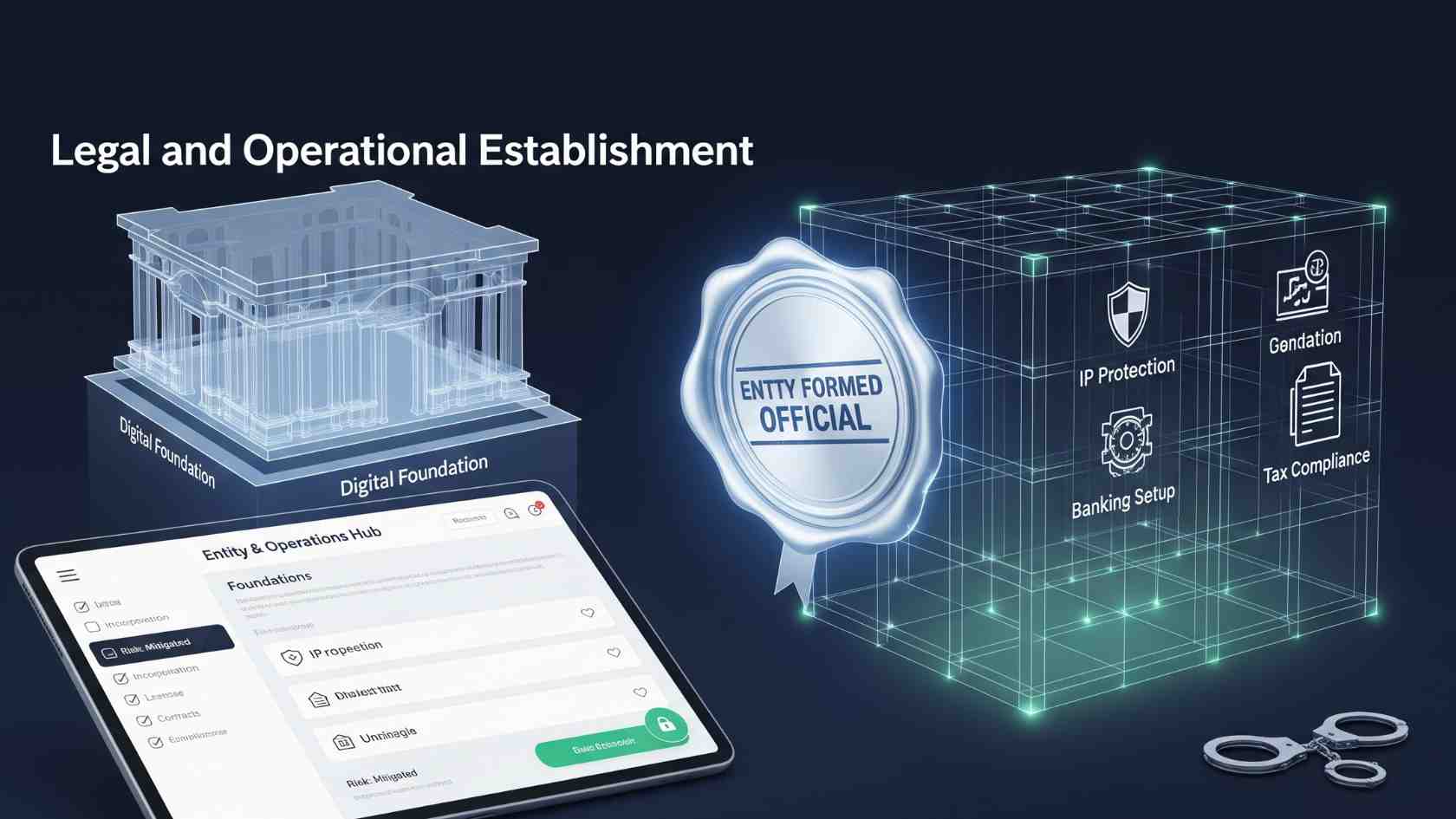
Get your business legally established. This involves registering your business, obtaining licenses, and understanding the taxation requirements in your country.
It is also vital to be operationally ready. Establish the accounting, customer relationship management, and supply chain management systems.
Quick Checklist:
-
Registration and permits for business.
-
Open business bank accounts.
-
Electronic communication and project management tools.
Step 5: Marketing and Branding

No good product will be known without visibility. Marketing is not another word; it is a necessity. After developing a business plan, start building your brand and increasing awareness among the target audience.
Marketing Steps:
-
Develop a brand identity, including the logo, colour palette, and voice.
-
Create a social media and website strategy.
-
Connect with potential customers through email programs and online networks.
Step 6: Monitor and Adapt

Starting your business is a good thing, and so is not the end. To be successful in the long run, you need to track performance and adjust your strategies.
Key Monitoring Areas:
-
Monetary performance as compared to estimates.
-
Notoriety and clientele contentment.
-
Trends in the market and rivalry movements.
The leverage you gain when approaching your business flexibly is that you are guaranteed to withstand shifting circumstances.
Step 7: Network and Seek Mentorship

Developing relationships is just like developing your product. Partnership, funding, and suggestion networking provide access. Ask successful people who have walked such paths to serve as mentors.
Questions to be asked: Who will teach me in my industry? Which are the most valuable networks to work with?
Networking Strategies:
-
Attend industry conferences and events.
-
Connect with entrepreneur groups online and in person.
-
Ask for one-on-one mentorship.
Advice from trained specialists can prevent most traps.
Step 8: Attention to Customer Experience

Any successful business is all about the customer. Having established operations and marketing, ensure the customer experience is impeccable.
Are our customers satisfied with our product? Do they feel valued? Good experiences will turn into repeat business and referrals.
Customer Experience Tips:
-
Timely reply to queries and suggestions.
-
Individualize the interaction wherever possible.
-
Constantly develop products based on feedback.
-
Focus on customers ensures growth and sustainability.
Step 9: Develop Short-term and Long-term Objectives

Although your business plan provides an international perspective, you need specific, measurable objectives. These are the everyday activities as well as the future plans.
Goal Setting Strategies:
-
Divide yearly objectives into quarterly and monthly objectives.
-
Measure performance using key performance indicators.
-
Congratulate achievements to keep motivation high.
Having goals helps your business stay focused and aligned with your vision.
Step 10: Embrace Technology After Creating a Business Plan

Technology can rationalize operations and improve efficiency. What project management, marketing automation, and analytics tools can add to growing a business is priceless.
Also Read: Top 10 Most Successful Businesses to Start in 2026
Conclusion
A business plan is just the beginning. The only thing that counts is doing something, acting, and adjusting to it. When you prove yourself right and ensure your team becomes a strong group, establish the right systems, market well, and put customers at the core, you have an enduring blueprint for success.
Remember, there are no shortcuts; you turn plans into results through flexibility, endurance, and prudent behavior.
FAQs
What must an entrepreneur do after creating a business plan?
Put the idea into practice by validating it, raising the necessary capital, forming a team, establishing operations, and marketing the business.
What must an entrepreneur assume when starting a business?
Have difficulties, be flexible, and be willing to change as your business expands.
What is the way to know whether my business idea will work?
Test the market with surveys, feedback, and a pilot test.
What is the significance of a powerful team?
An effective team supports development and culture and helps solve initial difficulties.
What is my way of monitoring business progress?
Keep track of finances, customer responses, and market trends to align strategies.