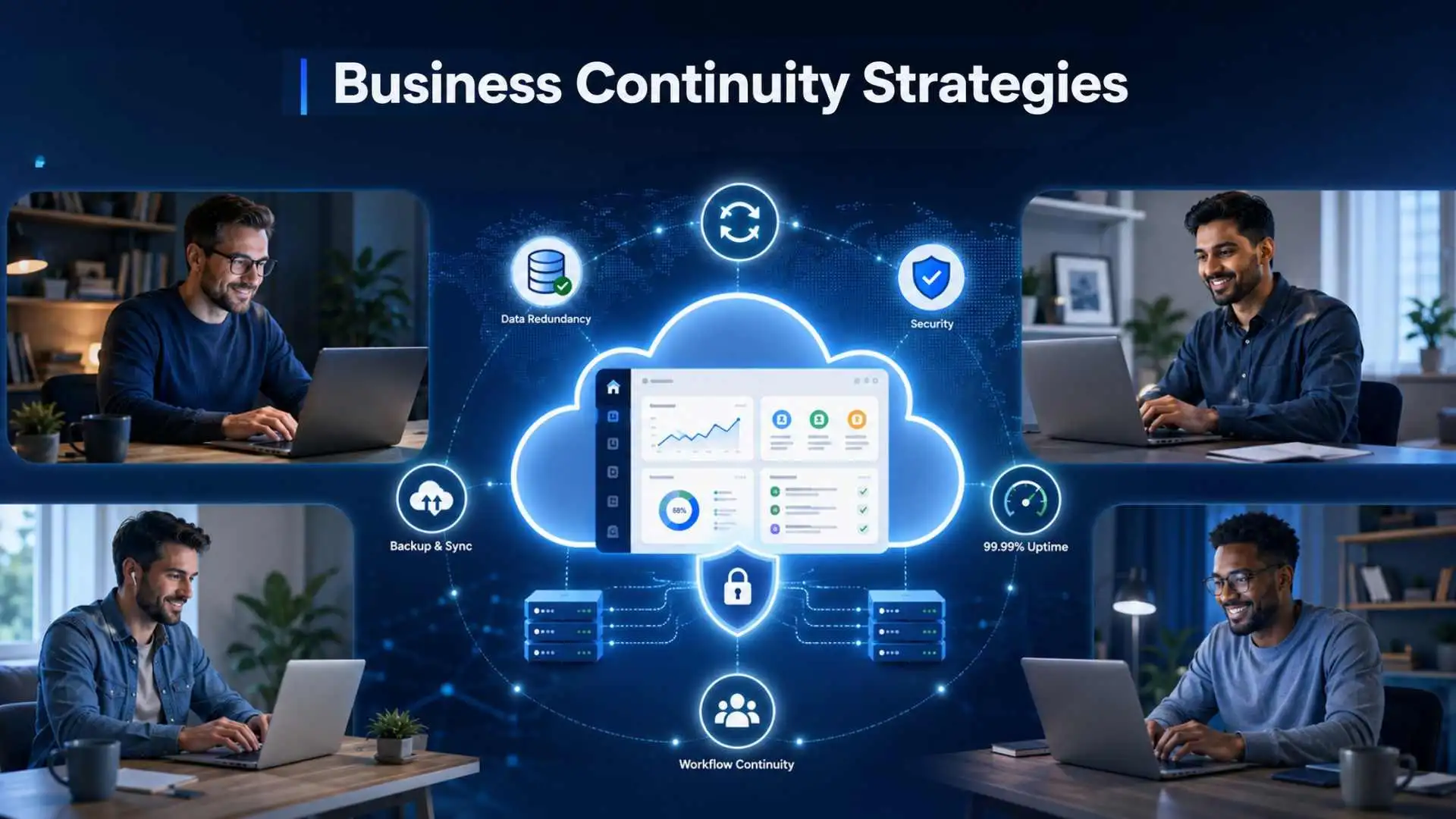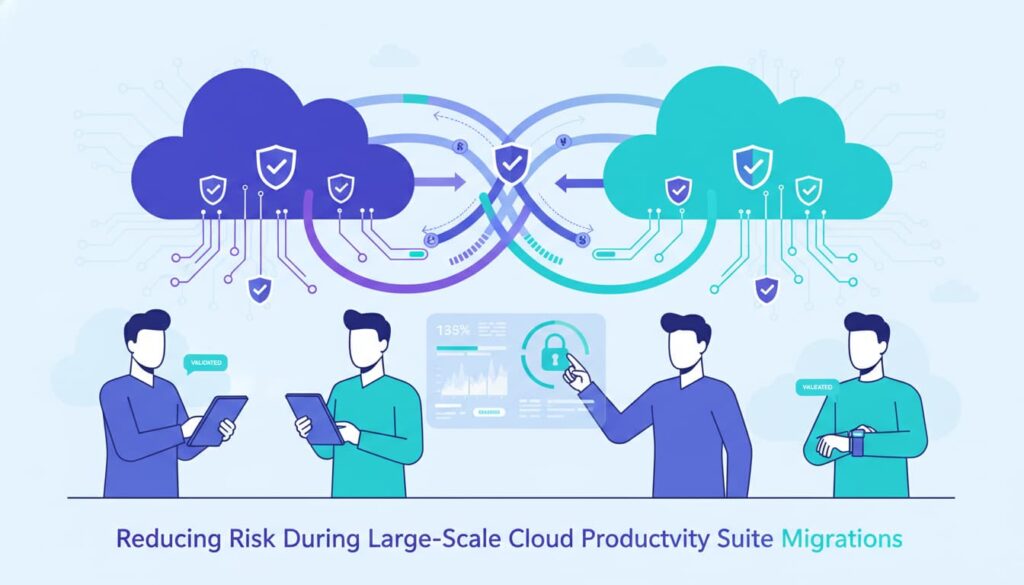
Migrating a large organization’s entire productivity suite to the cloud is one of the highest-stakes IT projects that a team can undertake. It’s not just a technical challenge. It’s an organizational one. Data must flow smoothly. Users must adapt rapidly. Security must not lapse for a single second. For CISOs and IT managers, the margin for error is razor-thin. It’s not just what can go right. It’s what can go wrong that makes all the difference between a smooth transition and a costly disruption.
The Complexities You Need to Anticipate
Large-scale migrations don’t fail because of one single reason. They fail because of a cascade of problems that snowball into full-blown disasters. Incompatible file formats. Inconsistent legacy systems. Inadequate user permission levels. Inadequate change management. For large organizations, the number of moving parts in a migration project can be overwhelming. A migration involving thousands of users across different departments of an organization calls for a degree of coordination that goes beyond the usual IT project management best practices.
Common Risks: Data Loss, Downtime, and Security Gaps
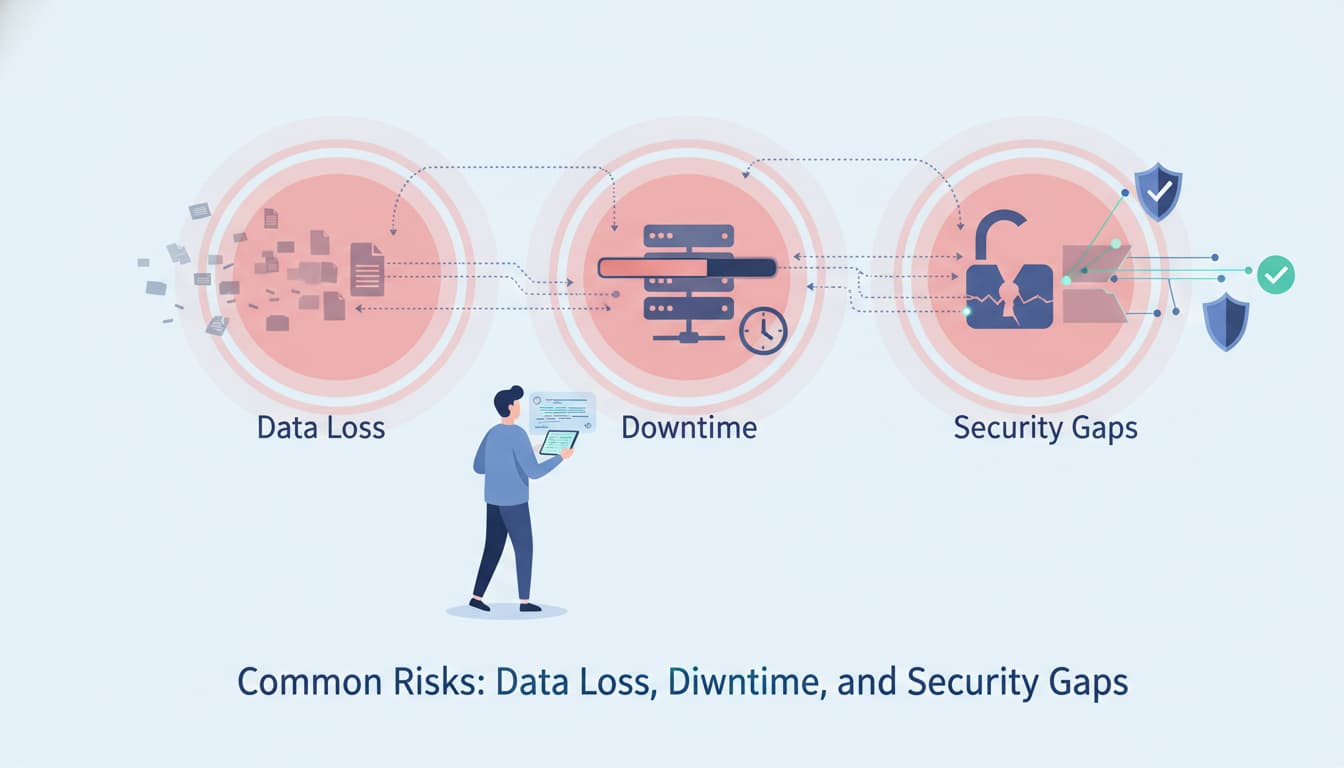
Three major risks that frequently plague enterprise migrations include:
- Data loss
- Downtime
- Security lapses
- Data loss can have serious implications
We also know about the cost of downtime. Security lapses, however, may be the biggest concern of all. Inadequate user permission levels can spell disaster. Security lapses can happen at the worst possible time.
Pre-Migration Planning: Where Risk Is Really Managed
Comprehensive pre-migration planning will significantly mitigate risks more than any response to the migration itself. This begins with an exhaustive audit of current data, user, and integration configurations. Be aware of dependencies, as organizations often discover third-party app configurations that they had forgotten to account for. It is also essential to develop a rollback strategy before commencing the migration, not after. This ensures that you are working with a Google Workspace data migration service that provides the necessary infrastructure to ensure that edge cases are well considered.
Maintaining Data Integrity During the Transition
The best practices to observe during the transition are to ensure validation at every stage of the migration process. This means running parallel environments where possible to ensure that the integrity of the migrated data is accurate. It is also recommended to migrate non-critical data first to test the migration process before migrating more sensitive information.
Post-Migration: Validation and User Adoption
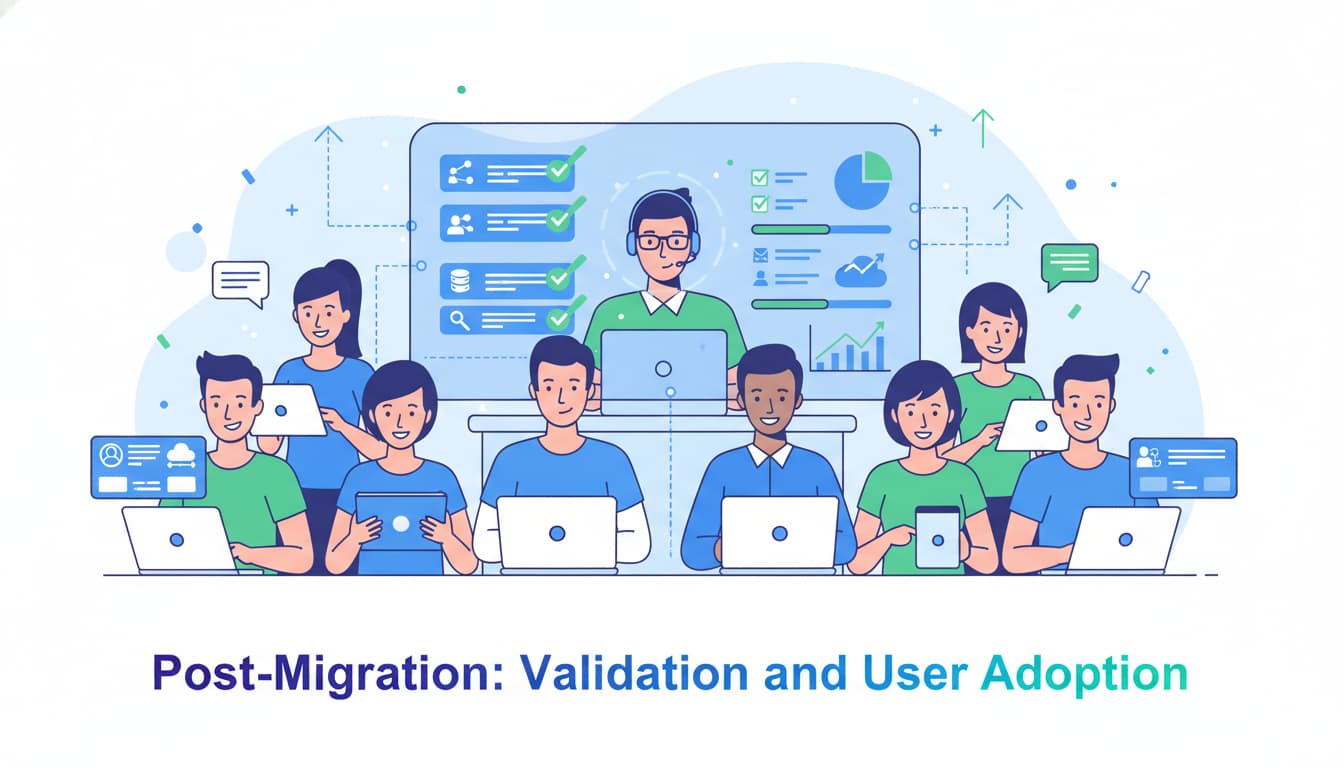
The migration process does not end when the actual migration occurs. It is important to ensure that there are validation measures put in place to ensure that the migration was successful. This means conducting thorough tests to ensure that user groups are able to access the migrated data as expected. It is also important to ensure user adoption, as this will ensure that users do not resort to other methods of working that might compromise the security of the migrated data.
Also read: Risk Management Strategies Every Growing Business Needs to Master
Building a Migration Strategy That Holds Up
The risks involved in migrating to the cloud are so great simply because they affect every aspect of the business at once. This means that the migration process will involve data, users, and processes at the same time. This makes it possible to mitigate these risks through thorough planning and strategic measures to ensure that the migration process does not compromise the integrity of the business. All in all, this calls for a strategic approach to ensure that the migration process is not viewed as a singular event but as a transition that requires thorough oversight.