Most SaaS founders write off legacy platforms without a second thought. They look slow, dated, clunky — not worth studying. But look a little closer, and you’ll find something worth paying attention to: many of those old systems are still running critical workflows, still pulling revenue, and proving stubbornly hard to replace. Founders who skip that tend to spend years solving problems that have already been solved.
Stability Beats Constant Reinvention More Often Than You Think
The speed of shipping can make stability feel like a problem to fix later. Legacy platforms didn’t have that luxury — downtime or breaking changes meant real financial damage for whoever was running them, so reliability wasn’t a nice-to-have. It was the product.
Users aren’t really chasing the next feature. More often, they just want to stop worrying about whether something will break. That’s why platforms built around predictable behavior kept winning, even after flashier competitors showed up. The cost of switching to something uncertain was simply higher than any feature benefit on offer.
The Real Lock-in Is Embedded Behavior, Not Contracts
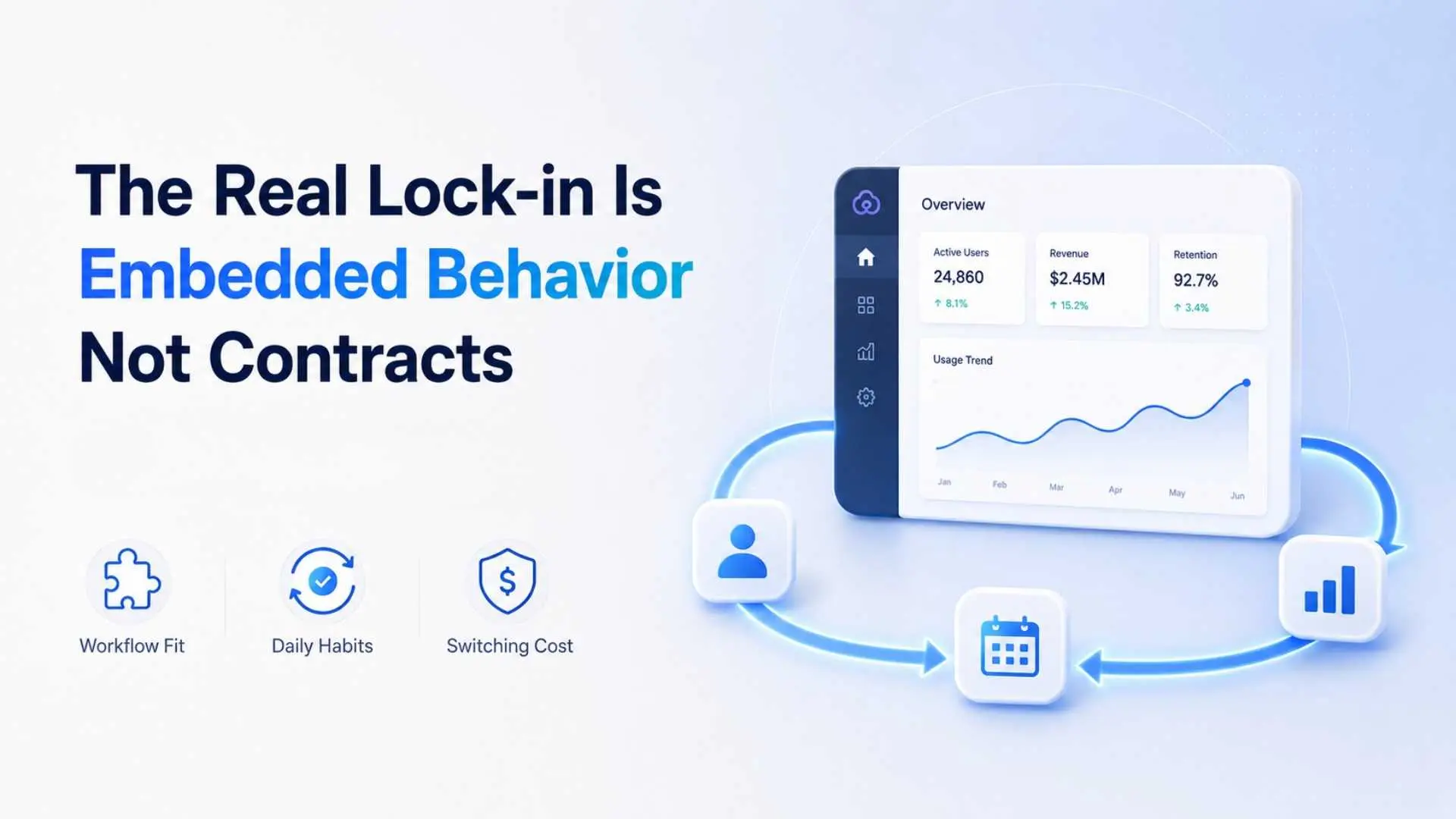
Legacy platforms didn’t just get used—they were woven into how people worked. And once that happened, leaving wasn’t a matter of uninstalling software. It meant rebuilding entire workflows from scratch. That’s the actual lesson for SaaS builders.
The strongest products stop sitting beside someone’s workflow and start becoming it. At that point, your real competition isn’t whoever has better features — it’s how fast a user can pull you out of their stack without everything else falling apart.
APIs, data structures, integrations — that’s what separates optional tools from foundational ones.
MetaTrader 4 As Proof of Ecosystem Strength
Take MetaTrader 4. It launched in 2005 and, frankly, looks it — nothing about the interface screams modern. Yet retail forex traders still use it widely. Not because it won on features, and not because it kept refreshing its UI. It remained relevant because it became infrastructure. Traders wrote strategies, built scripts, and wired up automated systems on top of MT4.
Brokers ran deep integrations. At some point, switching away wasn’t about picking different software — it meant tearing apart an entire ecosystem of tools, habits, and behaviors that had grown around it.
MT4 didn’t win by being the newest option on the market. It won by becoming the layer on which everything else sat. Worth asking yourself: are you building something people use, or something people build on? That second category is where long-term survival actually lives.
Predictable Pricing Builds Lasting Trust

There’s another thing legacy platforms got right that rarely gets talked about — they didn’t treat pricing as a constant experiment. When a model worked, they kept it. And this matters more than it might seem. If your users are building real processes around your tool, constantly shifting the pricing rules doesn’t just hit revenue — it shakes trust in the whole system.
A lot of SaaS products lose ground not because they’ve gotten worse, but because the terms keep changing. Legacy systems stayed boring on purpose. That was the point.
Also Read: Common Accounting Mistakes SaaS Startups Make and How to Avoid Themf
So What Does All of This Actually Mean for You?
Early traction in SaaS usually comes from moving fast. But staying power comes from something different — from being genuinely hard to remove. Legacy platforms lasted because they stopped being tools and became infrastructure.
They embedded themselves in daily work, stayed consistent when consistency mattered most, and got expensive to replace — not through aggressive lock-in, but through usefulness compounded over time.
The products people still talk about years later aren’t usually remembered for a feature list. They’re remembered for what broke when they left.