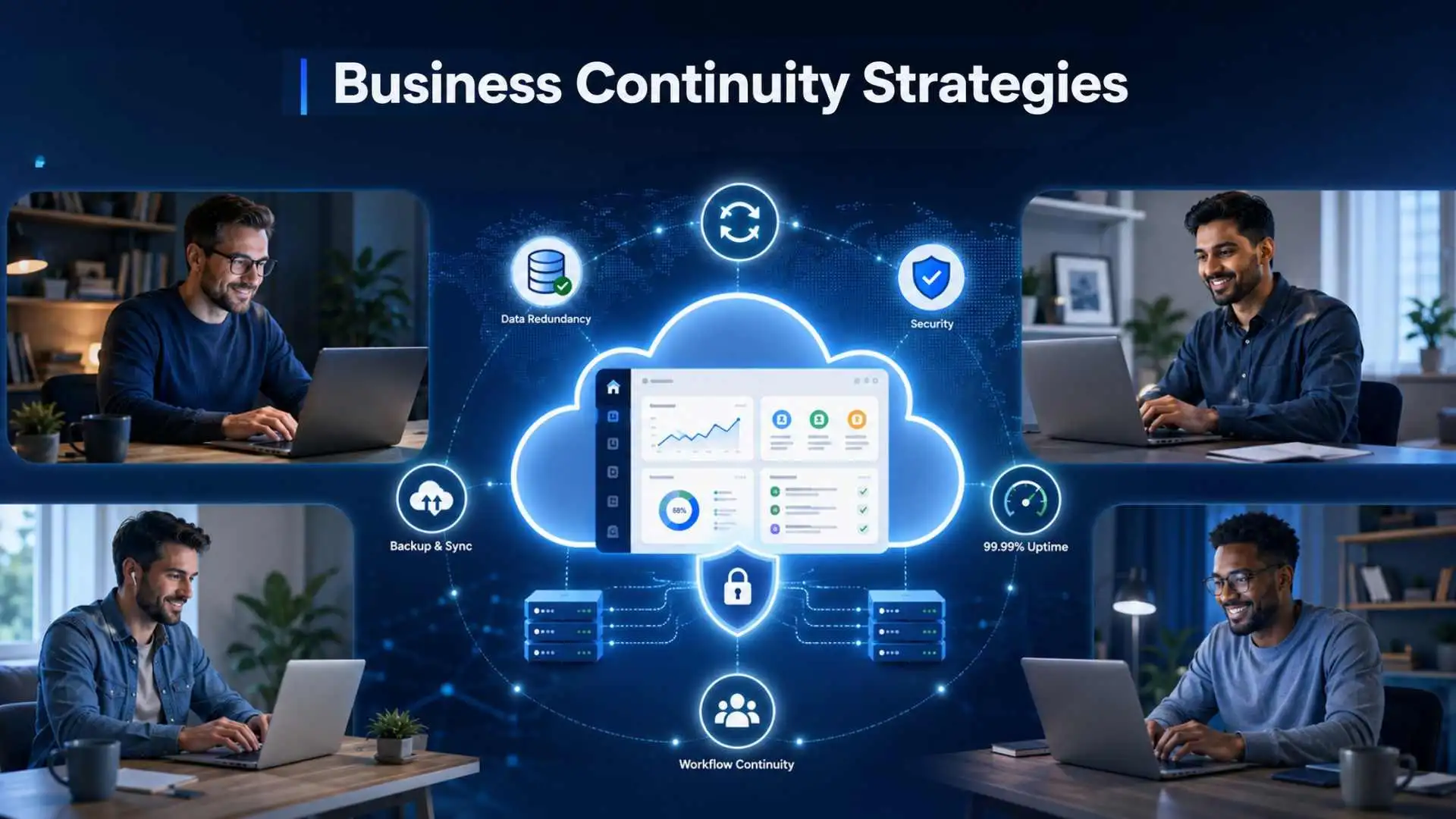
Have you ever noticed that the best technology is often the technology you barely notice? A smart thermostat adjusts your home’s temperature without constant input. A navigation app changes your route before you even realize traffic has become a problem. A cloud system saves your work automatically while you focus on the task in front of you.
These examples share something important: the technology works quietly in the background. It does not demand attention, create unnecessary complexity, or force people to constantly interact with it. Instead, it supports better decisions, smoother workflows, and more reliable experiences.
When Technology Stops Demanding Attention and Starts Creating Value
Technology discussions often focus on visible innovation. New artificial intelligence models, advanced devices, and breakthrough features usually dominate conversations. However, some of the most valuable improvements happen behind the scenes.
Businesses depend on background systems that reduce repetitive work, prevent mistakes, organize information, and keep teams connected. These improvements rarely become marketing headlines, but they directly influence productivity and user satisfaction.
A manager might not celebrate a system that prevents duplicate data entry. A team member might not post about a platform that saves them thirty minutes every day. Yet these small improvements create meaningful results over time.
In industries where accuracy, compliance, and accountability matter, reliable background technology becomes even more important. Professionals working with complex workflows need systems that support their responsibilities instead of adding another layer of difficulty.
Modern platforms such as https://www.correcttech.com represent this approach. They focus on helping professionals manage processes, information, and daily tasks without unnecessary friction. The goal is not to make technology the center of attention. The goal is to allow people to focus on their actual work.
Efficiency That Feels Natural

Poor technology usually reveals itself quickly. Users struggle with complicated menus, repeated manual tasks, disconnected systems, and processes that take longer than they should.
Unfortunately, many organizations have accepted these problems as normal. Employees spend hours fixing workflow issues, searching for information, or completing repetitive administrative tasks because their tools are not designed around real needs.
Effective technology works differently. It removes unnecessary steps, organizes information intelligently, and helps users complete important tasks with less effort.
The strongest systems often receive the least attention because they simply work. A professional completing reports faster or accessing accurate information instantly may not think about the software behind that improvement. They only notice that their work has become easier.
True efficiency is not only about completing tasks faster. It is about creating consistency. Reliable systems reduce errors, improve communication, and help teams make better decisions with confidence.
Putting People Back at the Center
One common mistake in software development is creating products around impressive features rather than real user problems.
A platform may have advanced dashboards and dozens of functions, but its value depends on whether the people using it every day actually benefit from those features.
Technology that works quietly takes a different approach. It reduces unnecessary interaction and handles routine activities automatically. Instead of forcing professionals to manage the system, the system supports professionals.
For someone managing multiple responsibilities, small improvements create a major difference. Automated forms, organized records, timely notifications, and easier access to information help people spend more time on meaningful work.
This human-centered approach matters especially in fields where decisions involve real people. Professionals need time to analyze situations, communicate effectively, and provide better support. Technology should create that space rather than consume it.
As discussed by technology experts, successful solutions are often those that solve practical business challenges rather than simply adding more features.
Building Trust Through Reliability

Trust is one of the most important factors in digital systems. A single failure, missing record, or unexpected interruption can affect how users view an entire platform.
This is why reliability matters more than flashy features. Users trust systems that consistently perform when they need them most.
Trust is built through everyday experiences: information loading correctly, processes completing without errors, and important tasks working smoothly during busy periods.
Modern SaaS companies are increasingly focusing on stability, security, and usability. Innovation is no longer only about introducing something completely new. Sometimes, the biggest improvement is making existing processes simpler and more dependable.
As highlighted by technology leaders, sustainable software success depends heavily on solving real user challenges and maintaining customer confidence.
The Future Belongs to Quiet Technology
The software industry has spent years competing for attention. Many products highlight impressive dashboards, large feature lists, and disruptive messaging.
However, the next generation of successful technology will focus more on integration, simplicity, and user experience.
The best platforms will not interrupt workflows. They will become a natural part of them.
This does not mean technology becomes less powerful. It means technology becomes more thoughtful. The strongest solutions understand when to appear, when to automate, and when to stay out of the way.
Final Thoughts
The most valuable technology is not always the technology people talk about the most. Often, it is the technology that quietly removes problems, saves time, and helps people perform better.
Background technology creates value by giving users something extremely important: more time and less friction.
When software is designed around real human needs, it becomes more than a tool. It becomes a reliable partner that helps individuals and organizations achieve better outcomes every day.